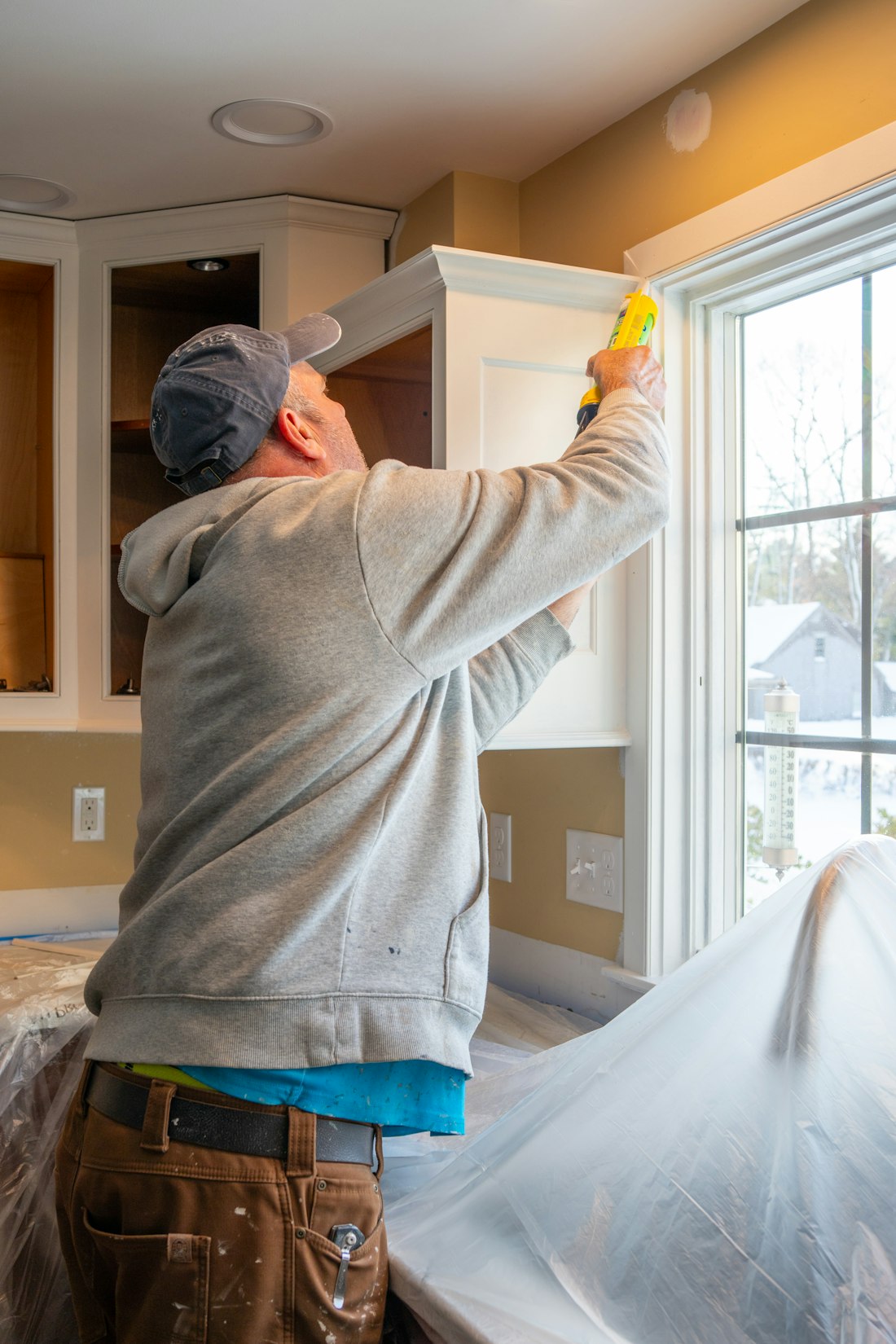
Peeling paint tells you that a layer is no longer staying where it belongs. Before choosing another coating, identify what is separating, what material is underneath, and whether a condition such as moisture still needs to be addressed.
This is an observation and planning guide, not permission to scrape or sand an unknown wall. If the next step would disturb an old coating or uncertain material, resolve the appropriate assessment and dust precautions first.
Stop treating the loose edge as a shopping prompt
A loose paint edge can make a stronger primer sound like the obvious solution. But a product cannot be selected sensibly until you know the surface condition and the role that the new coating would need to perform.
Do not keep pressing, pulling, or picking at the edge to see how much will come off. An unplanned destructive test can spread material and turn a limited observation into an uncontrolled preparation job.
Record the area from a normal room view and a closer position without disturbing it. Include nearby windows, fixtures, corners, or repair boundaries that may help explain the context to the person assessing it.
If there is active water, a sagging ceiling, or another urgent hazard, keep away and arrange appropriate help. The decorative coating question comes after the immediate condition is made suitable for assessment and work.
Describe what you can see without naming the cause
Useful observations include a curling paint edge, exposed paper-like material, a powdery-looking layer, or a boundary that follows an old repair. Keep those descriptions separate from an unsupported diagnosis about why adhesion failed.
A photograph of a flake does not establish the identity of every layer underneath it. Color differences can be clues to discuss, but they are not a reliable material analysis on their own.
If a qualified person identifies the failing layer, keep that finding with the proposed repair plan. You want to know whether the work addresses a coating interface, damaged substrate, or another condition rather than hearing only that the wall needs repainting.
Ask which observations support the conclusion. A clear explanation helps you compare the proposed work with the actual problem without pretending that you can certify the assembly from a close image.
Keep moisture in the assessment
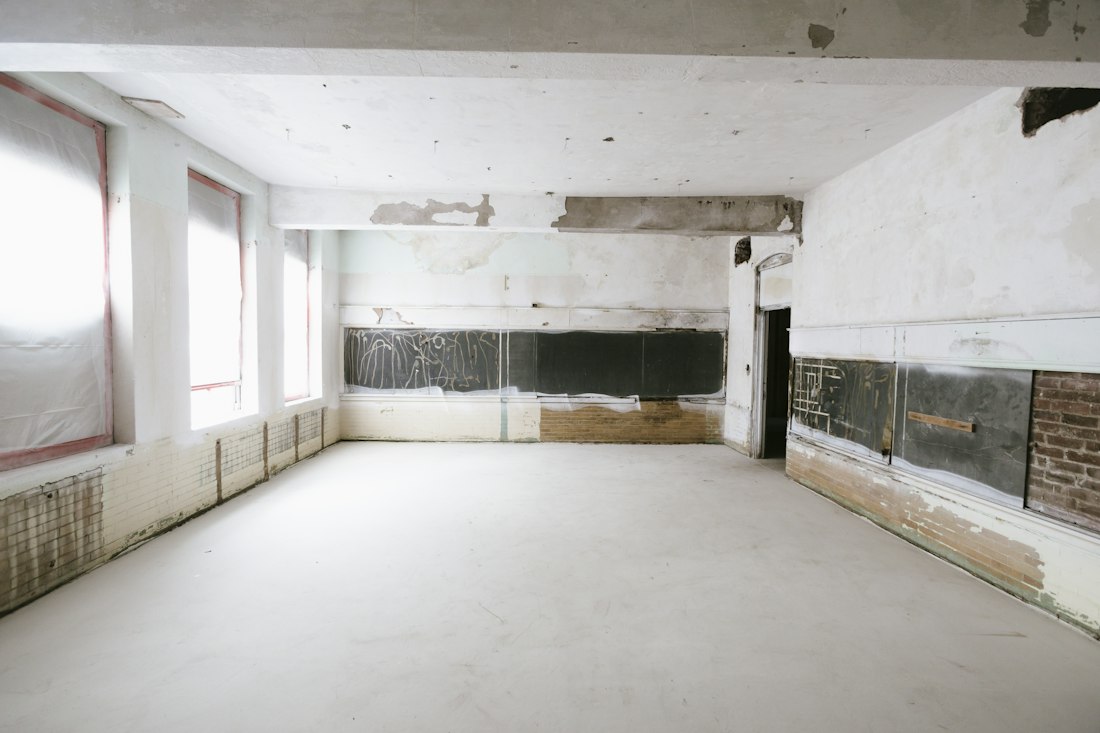
Sherwin-Williams' interior moisture-peeling guide describes loss of paint-film adhesion associated with excessive moisture and says the underlying moisture cause needs correction. Its guidance concerns that failure mechanism; it does not establish that every peeling wall has the same cause.
Look for information about leaks, condensation, repeated dampness, or building repairs that someone has already investigated. Provide that history without assuming that the nearest fixture must be responsible.
A stain or a dry-looking patch does not prove the condition inside the wall. Ask what assessment supports retaining or replacing material before you discuss which decorative finish goes on its face.
If mold or contaminated water may be involved, keep the remediation question separate from the coating choice. Painting over an unresolved condition does not turn it into a completed repair.
Separate the substrate from the finish layers
Imagine a painted wall as several connected parts: the board or plaster, its surface, any repair material, primer where specified, and finish coats. The new topcoat depends on the condition of the layers that remain beneath it.
A failed layer somewhere in that stack deserves its own supported preparation decision. Adding a sound new coating to the outside does not automatically establish that an uncertain older layer is suitable to retain.
Ask how the proposed work determines the boundary of sound retained material. That is a more useful question than assuming the visible loose edge defines the entire repair area.
Keep substrate repair and coating preparation distinct in a quote or work plan. Replacing damaged board, stabilizing a suitable surface, and applying a finish are different tasks even when they happen on the same wall.

Do not substitute aggressive preparation for diagnosis
Scraping harder or choosing a coarser abrasive does not answer why the finish separated. The preparation method needs to follow the identified materials, product system, and relevant safety requirements.
If the wall's coating history is unknown, say so before anyone proposes disturbance. The assessment may need to consider the building and surface history as well as the visible appearance.
Keep occupants and household activity out of any work area as required by the actual preparation plan. A small decorative repair does not automatically mean that dust or debris can be treated casually.
This article does not prescribe an adhesion test, abrasive grade, or removal method. Those decisions depend on information about the surface and system that a general web page cannot establish for your room.
Make the primer's job explicit
Once the retained surface and preparation are appropriate, ask whether the chosen coating system requires a primer and what that primer is intended to do. A bonding role, a porosity-sealing role, and a stain-blocking role are different questions.
Do not use a front-label promise as a substitute for the directions for your substrate. The exact primer and finish must form a suitable sequence on the actual prepared material.
Keep any required readiness and recoating conditions between the stages. A paint layer that looks uniform does not independently prove that the earlier treatment is ready for the next material.
If a proposed product changes, review how the change affects the rest of the plan. A similar color or familiar brand does not make preparation and compatibility requirements disappear.
Agree on the final appearance boundary
A supported local repair can still leave a texture or sheen transition that needs a broader finishing decision. Discuss that possibility before the only promised task is to cover the peeled spot.
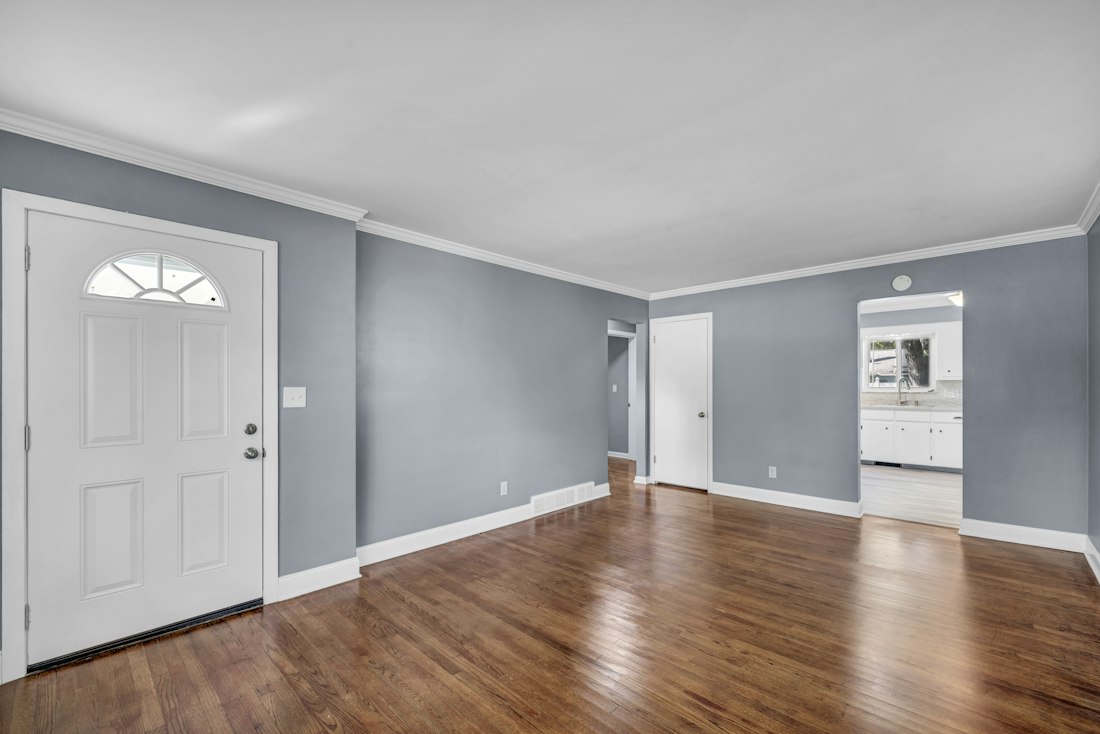
Use room photographs to identify sensible architectural boundaries and ordinary viewing conditions. Corners, doorways, and trim can help define the repainting scope, while the damaged-material boundary may be different.
Ask what part of the work addresses stability and what part addresses appearance. Those two goals should connect, but they should not be hidden inside one vague phrase such as make good.
For hired work, keep the agreed products and scope in writing. You can then evaluate whether the completed work matches the plan without relying on a memory of an informal conversation beside the wall.
Keep the history after the repair
Retain before photographs, the cause assessment, the materials used, and any relevant building repair information. If peeling returns, that record helps distinguish a new condition from an unresolved earlier question.
Do not repeatedly repaint a returning failure without revisiting the cause. A recurring edge, renewed dampness, or a different exposed layer is information that belongs in another assessment.
Your useful endpoint is a supported plan for the layers that remain and the finish that follows. You will know why the preparation was chosen and what the new coating is expected to do, rather than asking one more coat to hold together an unexplained surface.
Bring the right question to product support
When asking about a coating, describe the identified substrate, retained layers, completed preparation, and remaining uncertainty. Include the exact planned finish rather than asking whether a primer can stop peeling in every situation.
A precise question makes the answer easier to use and its limits easier to understand. Keep any conditions attached to the advice with the project record so a recommendation for one prepared wall does not become an unsupported rule for every damaged surface in the house.
Compare the plan with one recurring spot
Imagine that a corner has been repainted twice and the edge lifts again after damp weather. Bring the dates, photographs, previous coating details, and any water investigation to the assessment instead of describing the latest occurrence as a new isolated cosmetic mark.
That history does not prove the cause, but it changes the questions worth asking before another decorative repair. You can ask what new evidence supports the proposed work, which underlying condition it addresses, and how you should record any later change without disturbing the surface yourself.
Published technical information supports the specific material statements. Room examples and illustrations are original; they are not product tests or a diagnosis of your wall.