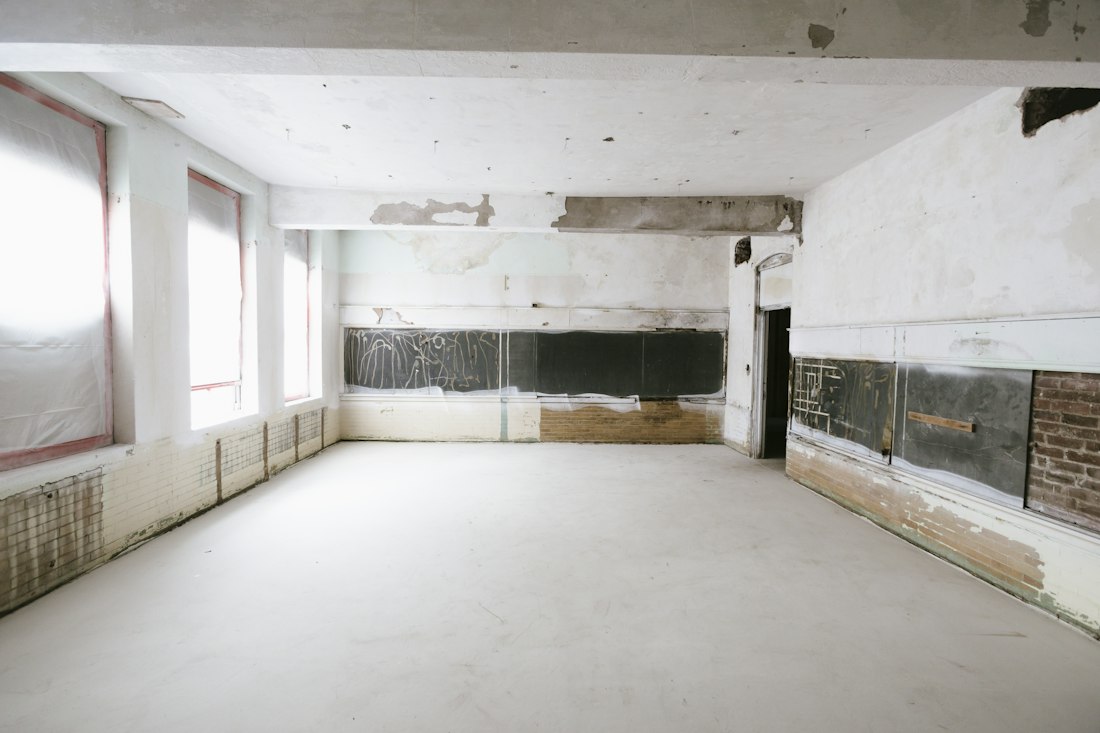
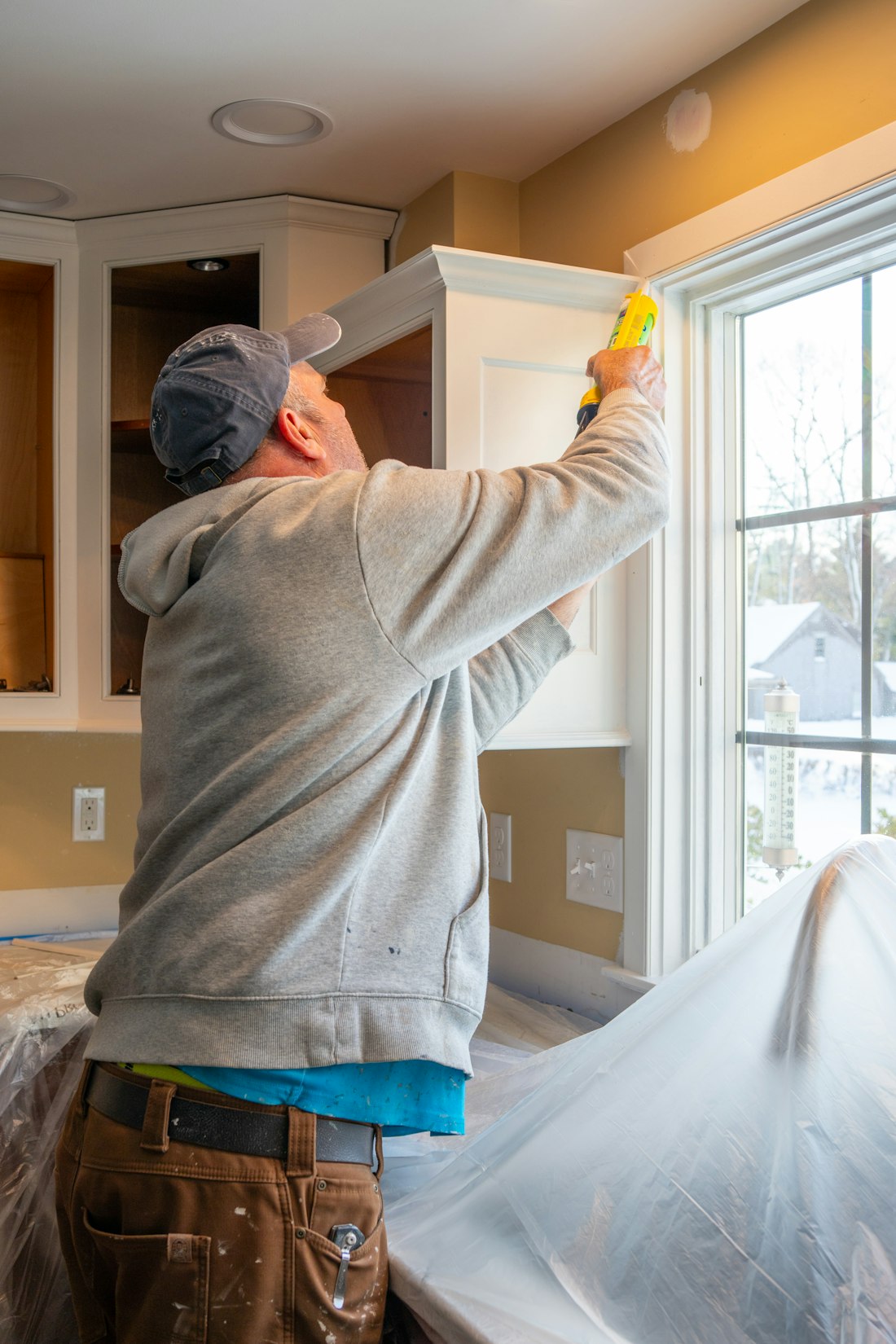
Before you sand an old painted surface, establish whether lead-based paint may be involved. The useful first step is information and an appropriate work plan, rather than choosing an abrasive and deciding how to control the dust afterward.
This checklist helps you prepare questions and project records. It is not a lead-testing method, a containment design, a removal procedure, or a statement that a particular room is safe to disturb.
Begin with the building's age and your uncertainty
EPA says pre-1978 homes may contain lead-based paint and recommends certified lead inspection or risk-assessment help to determine whether affected surfaces contain it. If the building age is unknown, its DIY guidance says to assume lead-based paint for the proposed work area and use lead-safe practices.
Find available building records before interpreting the age of the visible finish. A recent-looking topcoat does not tell you the history of every retained layer beneath it.
Keep uncertain facts written as questions. A previous owner saying the room was redone may describe decoration, while the information you need concerns the materials that the proposed work would disturb.
Do not scratch the wall or sand a hidden corner to create an informal sample. Testing and assessment need an appropriate method and competent interpretation, not a destructive experiment started before the project is planned.
Define the work before asking for advice
Write down the exact surfaces and operations you are considering. Sanding a door, removing trim, repairing a wall, and repainting an intact finish are not interchangeable descriptions of the same scope.
Include the room location, nearby occupied areas, and the people who use the space. That context helps you explain the project to the appropriate professional without attempting to design a protection system yourself.
Keep the assessment area tied to the proposed disturbance. A result for a different surface or an unrelated room should not quietly become permission for this job.
If the planned work changes, revisit the assessment and work plan. Expanding from one trim piece to several walls changes the scope that someone may have reviewed initially.
Use qualified help as the starting option
EPA's 2026 lead-safe booklet describes certification and work-practice requirements for contractors performing covered renovation, repair, and painting work. The applicable requirements depend on the actual scope and property circumstances, so bring those details to the qualified person reviewing your project.
Ask the contractor to identify the qualifications relevant to your actual project and verify them using the appropriate official resources. A general painting business description is not the same information as a specific certification.
If you rent all or part of a property, operate child care, or renovate homes for sale, do not assume a statement about a homeowner's own residence settles your situation. Obtain the applicable current guidance for that use before proceeding.
Keep legal applicability questions with the qualified professional or relevant authority. This article cannot determine the obligations for a particular property, contract, or local jurisdiction from a short room description.
Ask how assessment results will be used
When an inspection or risk assessment is recommended, ask which surfaces it covers, what documentation you will receive, and how its findings affect the proposed work. You need a usable connection between the result and the plan.
Keep the report with the project records and share the relevant information with whoever is responsible for the work. Avoid passing along only a verbal summary that leaves out limitations or unassessed surfaces.
If an earlier report exists, ask whether it applies to the current scope and retained materials. A document can be useful without answering every question raised by a later renovation.
Do not convert an unclear result into an assumed negative. Ask for an explanation before allowing the next step to depend on an interpretation you do not understand.

Keep work-area planning ahead of disturbance
Ask who is responsible for the work-area setup, protecting occupants, controlling debris, and managing cleanup. Those responsibilities should be clear before tools begin changing the painted surface.
EPA's 2026 lead-safe booklet treats setup, personal protection, dust control, waste handling, and final cleaning as connected parts of the work. Reading one tool suggestion in isolation does not replace that complete framework.
Do not substitute an ordinary household vacuum or a casual dust sheet for a plan you have not assessed. The correct equipment and practices need to follow the applicable guidance and actual project requirements.
If you are uncertain about carrying out the complete work safely, choose qualified help. The small size of a visible repair does not independently establish that the resulting dust can be ignored.
Discuss access before the room becomes a work area
Identify who will need access to the affected room and nearby routes during the project. Make a household plan with the responsible professional so ordinary activity does not undermine the agreed work arrangements.
Think about belongings, deliveries, pets, and essential daily tasks while the room is still accessible. These practical details are easier to solve beforehand than when materials and barriers are already in place.
If the proposed arrangements leave you unsure how occupants will be protected, ask before work begins. You do not need to accept an unexplained promise that everything will be fine because the job will be quick.
Keep the communication simple and visible to everyone who needs it. A clear agreement about restricted access is more useful than expecting each person to remember an informal conversation at the doorway.
Ask how waste and cleanup will be handled
Clarify which parts of the cleanup and waste management are included in the work scope. The decorative finish looking tidy is not a complete explanation of what happened to dust, debris, or used protection materials.
EPA says local and state waste-disposal requirements should be checked. Keep the actual disposal route with the project plan rather than assuming every renovation material belongs in the same household bin.
Ask what completion documentation or appropriate post-work evaluation is planned for your situation. Do not invent a visual test or treat the absence of obvious dust as a universal certification that the area is ready for unrestricted use.
If responsibilities are split between companies or people, make the handoff explicit. Otherwise, a task that everyone assumes belongs to someone else can remain unfinished after the painting stage is complete.
Keep a stopping point for new information
If the work reveals an unexpected layer, damaged material, or a change in the agreed scope, stop and reassess with the responsible qualified person. New information should update the plan before disturbance continues.
The same principle applies if household access or the work arrangement changes. A plan that depended on keeping an area unavailable may need revision when that condition can no longer be maintained.
Do not turn a production deadline into permission to improvise. A paused project with a clear next question is more manageable than an expanded disturbance whose assessment and responsibilities have become uncertain.
Keep notes about the change and the advice received. They explain why the next step differs from the original plan and help everyone work from the same current information.
Save the record for the next project
Retain assessment reports, applicable certification information, the work scope, completion records, and the exact coatings used afterward. Identify the affected surfaces so the documents remain useful beyond a general room name.
Share relevant records when another professional later proposes work on those surfaces. You can avoid restarting from assumptions while still allowing the new scope to receive its own appropriate review.
Your first successful decision happens before sanding: you know what remains uncertain and who will resolve it. That puts the repair on an informed path instead of asking cleanup to compensate for a disturbance that began without the necessary plan.
Keep a decorating deadline separate from approval to start
If a room needs to be ready for a visit, tell the responsible professional about that date while the scope is being discussed. The date can help organize appointments, but it cannot establish what the painted layers contain or replace a required assessment.
A revised schedule is a practical outcome when more information is needed. You can keep the room usable or arrange another plan while the material question is resolved, instead of beginning a dusty stage simply because the abrasive was already purchased.
Published technical information supports the specific material statements. Room examples and illustrations are original; they are not product tests or a diagnosis of your wall.