A drywall crack can be a small decorating problem, a sign that a previous repair needs a different approach, or part of a condition that deserves professional assessment. Its appearance alone does not tell you which explanation applies.
Before you cover it, collect the information that a useful decision needs. You are documenting what you can observe, not diagnosing the building from a line in the paint.
Make a record before changing the surface
Take a clear close photograph with a familiar scale beside the crack, plus a wider photograph that shows the surrounding wall. Record the date and the crack's location relative to doors, windows, corners, and changes in material.
Describe the line in plain language. Note whether it follows a visible joint, appears around a corner, branches, or sits beside another defect, without turning that description into a structural conclusion.
If you have an earlier photograph, compare the same area under similar lighting. A change in camera angle or shadow can make a crack appear different, so keep the comparison as consistent as you reasonably can.
Do not widen or probe the crack to create a more dramatic picture. Your first task is to preserve useful observations while you decide who should assess the condition.
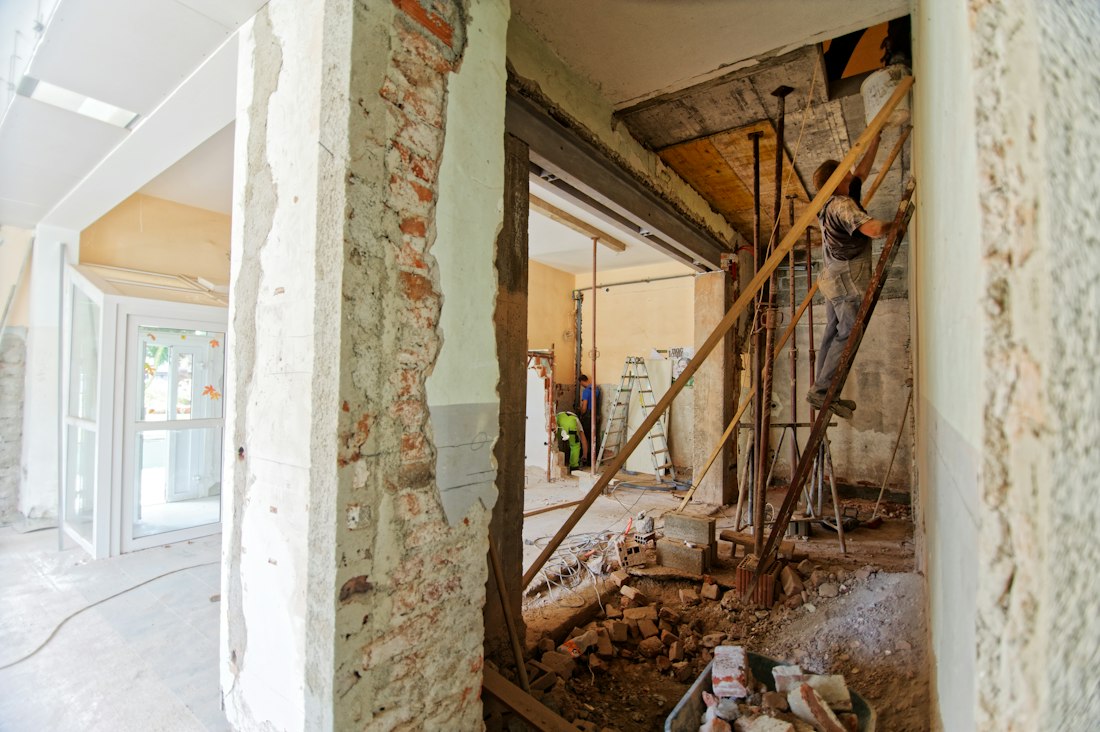
Ask what else has changed
Consider whether there is dampness, loose material, a distorted surface, or another change nearby. Doors or windows that have recently started behaving differently are also useful observations to record for an appropriate professional.
Those observations are not a home diagnosis checklist with a guaranteed outcome. A building can need assessment without matching an online list, and a single matching symptom does not establish a particular cause.
If the condition appears active or raises an immediate concern about safety, move away from the affected area and seek appropriate local help. A cosmetic article cannot determine whether it is safe to remain beside a damaged assembly.
Keep urgent concerns separate from the question of which filler to buy. You can revisit decorating after the relevant condition has been assessed and any underlying work is addressed.
Separate a surface mark from a joint problem
A line may be in the coating, the finishing material, or a panel joint beneath it. Identifying the affected layer is part of understanding the repair, and it may require someone with the right experience to inspect it.
Avoid assuming that a crack along a familiar-looking seam is harmless. Its location is one piece of information, while the wall's condition, history, and movement still matter.
For a sound cosmetic repair that is within a documented system's scope, the material and reinforcement need to match the actual defect. A general instruction to fill every line with spackle does not answer whether tape or a different repair method belongs in the job.
USG's repair guidance distinguishes small surface repairs from reinforced crack treatment. Use an applicable current method for the actual product and condition, rather than treating every crack as the same small dent.

A recurring crack deserves a new question
If a line returns after patching, gather the old repair history before applying another layer. Note which tape, compound, primer, and paint were used, along with what preparation was performed.
Ask whether the previous work addressed the relevant joint or only covered its visible surface. A smooth paint finish at completion does not establish that the materials underneath were suitable for the condition.
Do not assume that the next solution is simply a stronger compound or a wider strip of tape. Repetition can indicate that the original explanation or repair scope was incomplete, which is a reason to obtain informed advice.
Keep the records factual when describing the result. “The line returned beside the door three months after the repair” is more useful than declaring that every product in the previous system failed.
Do not turn width into a universal diagnosis
Online discussions often use a single crack-width number as a shortcut. Without the building context, affected material, history, and other observations, that number is not a complete assessment.
A ruler or scale in a photograph can still be useful for tracking change. The important distinction is between documenting a dimension and claiming that the dimension proves a condition is safe or unsafe.
If a professional asks for measurements, follow the requested method and explain any limitations in your observation. Do not present an approximate photograph measurement as a precise survey of the building.
Avoid filling the line before the person assessing it has the information they need. Covering it may remove a useful visible reference while leaving the actual condition unresolved.
Keep moisture separate from cosmetics
If you see staining, dampness, soft material, or another indication of moisture, investigate that condition before selecting a decorative repair. A stain-blocking coating is not a leak investigation or a substitute for addressing damaged materials.
EPA's mold guidance emphasizes correcting water problems and drying affected areas, with damaged porous materials sometimes needing removal. Apply the guidance relevant to the actual situation rather than assuming a coat of paint resolves the concern.
Do not infer that a wall cavity is dry because its outer surface looks dry. If the condition is uncertain, obtain an appropriate assessment before closing or refinishing the area.
Keep photographs of the wider affected area and any known water event. The timing of the crack, stain, or repair may help the person evaluating the problem ask better questions.
Know who to contact
For an uncertain recurring drywall repair, a qualified drywall or painting professional can help establish the finishing scope. Conditions involving possible structural movement, damaged assemblies, or active moisture may require another relevant building professional.
Describe what you observed and ask whether their service covers assessment of that particular concern. A person who can repaint a room is not automatically the person who should diagnose every change in the building.
Bring the repair history, dates, photographs, and product information to the conversation. You do not need to arrive with a diagnosis; a clear record is a more useful contribution than a theory assembled from unrelated photographs online.
Ask what must be resolved before cosmetic work begins. This keeps the scope of the repair connected to the assessment instead of letting decorating become an accidental substitute for it.
Plan the cosmetic work after the decision
Once the condition has been appropriately assessed, write the supported repair sequence and material list. Include any reinforcement, surface preparation, drying, and coating requirements identified for that work.
Check the repair area's surrounding texture and lighting when planning the finish. A correctly addressed crack can still need careful decorative integration so the wall does not show a raised repair strip or a different sheen.
If the project disturbs older paint, review the applicable lead-safe renovation guidance before sanding or removal. The age and history of the coating belong in the work plan even when the visible crack is recent.
Save the final products and completion date with the earlier observations. If the area changes later, you will be comparing against a documented repair rather than an uncertain memory.
Give the observation a useful ending
Your goal is not to become a building diagnostician from one article. It is to recognize what you can document, what you cannot establish yourself, and when a cosmetic repair should wait for better information.
A small, well-understood repair can then remain a small project. An uncertain or changing condition gets the assessment it needs before another coat of paint hides the evidence.
When arranging an assessment, ask whether the professional wants the area left untouched and which records would help. That small scheduling question can prevent you from patching away a useful reference before the visit, while keeping the next step focused on the actual condition of your wall.
If you rent the home
Report the observed condition to the responsible owner or building manager before altering a recurring or uncertain crack. Supply the dated photographs and explain any moisture or other changes you have noticed.
Ask how they want the area left for inspection. This is a practical coordination step, rather than advice about your legal rights or a reason to delay urgent local help when there is an immediate safety concern.
Published technical information supports the specific material statements. Room examples and illustrations are original; they are not product tests or a diagnosis of your wall.
- Historical 2004 manufacturer guide distinguishes simple repairs and reinforced crack treatment; current chosen-product instructions must govern any work.
- Correct water problems; damaged porous material may require removal; no paint-over-mold repair.
- Older coating disturbance requires applicable lead-safe planning.


