Choosing the right yellow paint for concrete depends on your project needs. This guide highlights five top options that balance visibility, durability, and concrete compatibility. Best for outdoor markings, safety zones, and high-traffic surfaces, these selections help ensure long-lasting color and footing. The list includes both traditional paints and non-slip coatings to suit indoor and outdoor use.
| Product | Best For | Key Benefit |
|---|---|---|
| EVOLVE Multi-Purpose Alkyd Enamel – Safety Yellow (1 Gal) | Interior/exterior surfaces including concrete | Durable, oil-based enamel with rust and abrasion resistance |
| Rust-Oleum 266577 Professional 2X Distance Inverted Marking Spray Paint | Temporary or long-lasting markings outdoors | Upside-down spray for easy application and high visibility |
| Rust-Oleum 2548838 Professional Inverted Striping Spray Paint | Concrete and asphalt striping | Quick-drying, good adhesion, can be recoated |
| INSL-X Acrylic Latex Traffic Paint | Line markings for yards, sidewalks, and facilities | Fast-drying, adaptable with brushes or markers |
| Alpha Grip Non-Slip Paint for Concrete & Asphalt | Non-slip safety coatings on walkways and ramps | Eco-friendly, waterborne, significantly boosts slip resistance |
EVOLVE Multi-Purpose Alkyd Enamel – Safety Yellow

Product overview: EVOLVE’s multi-purpose alkyd enamel offers a hard, durable finish on concrete and other surfaces. This oil-based formula delivers rust and abrasion resistance ideal for high-traffic concrete areas. Best for: spaces that require a tough, long-lasting yellow coating, such as garage floors or exterior masonry. Caution: may have stronger fumes typical of oil-based paints; ensure proper ventilation during application. Best for: homeowners and contractors seeking a hard-wearing interior/exterior yellow enamel for concrete, wood, metal, and masonry.
EVOLVE Multi-Purpose Alkyd Enamel – Safety Yellow (Quart)

Product overview: A quart version of EVOLVE’s yellow enamel provides the same durable protection for smaller projects. Best for: detail work, touch-ups, or smaller concrete areas like steps, planters, or patch repairs. Limitation: smaller quantity may require more frequent reapplication for large surfaces. Best for: DIYers and small crews needing a dependable yellow coating for concrete and similar substrates.
Rust-Oleum 266577 Professional 2X Distance Inverted Marking Spray Paint

Product overview: This high-visibility yellow spray is designed for outdoor marking tasks. Best for: indicating utilities, zones, or traffic paths on concrete surfaces. Caution: intended for marking rather than full-coverage painting; check coverage and weather conditions for best results. Selection suggests: best for temporary or service-line markings on large concrete areas.
Rust-Oleum 2548838 Professional Inverted Striping Spray Paint

Product overview: An inverted spray designed for striping concrete, blacktop, and similar surfaces. Best for: creating durable yellow striping lines on driveways, parking lots, and athletic surfaces. Limitation: optimized for striping lines rather than entire surface coatings; ensure even line width for consistent results. Selection rationale: reliable adhesion and quick-dry properties for outdoor striping on concrete.
INSL-X Acrylic Latex Traffic Paint, Yellow
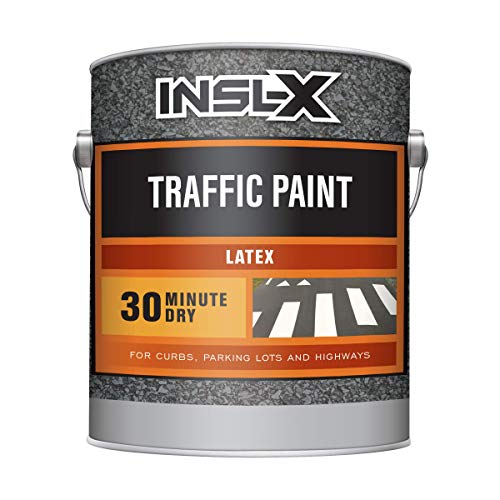
Product overview: A fast-drying latex traffic paint suitable for interior and exterior line markings. Best for: sidewalks, playgrounds, and facility markings where quick drying is essential. Caution: latex formulations may require more coats or longer cure times for high wear areas. Selection: best for projects needing easy cleanup, faster touch-dry times, and water-based versatility.
Buying Guide: Key Considerations When Buying Yellow Concrete Paint
- Surface compatibility: Confirm the product is suitable for concrete and, if needed, for masonry or plaster. Some formulas are versatile across multiple substrates, while others target specific materials.
- Finish and texture: Oil-based enamels provide durability and gloss, while latex paints offer easier cleanup and lower odor. Non-slip options add safety on walking surfaces or ramps.
- Durability vs. ease of maintenance: For high-traffic areas, prioritize abrasion resistance and long-term color retention; for decorative or temporary markings, easier reapplication may be preferable.
- Application method: Consider whether you need brush/roller compatibility, spray capability, or inverted spray for hard-to-reach areas. Inverted spray formats improve line width control for striping.
- Drying time and recoat window: Fast-drying formulas enable quicker project completion but may require more frequent coats. Latex paints typically offer shorter cure times compared to oil-based enamels.
- Safety and environmental impact: Eco-friendly, low-VOC options reduce emissions and odors. Non-slip coatings are essential where slip resistance is a priority.
- Color visibility and wear: Bright yellow shades enhance visibility in outdoor settings. Consider UV resistance and weather exposure for long-lasting color.
Frequently Asked Questions
- What finish is best for concrete floors with high wear?
Answer: A durable enamel or epoxy-based coating is preferred for high wear, offering abrasion resistance and longer color retention than standard latex paints. - Is yellow paint good for outdoor markings on concrete?
Answer: Yes, yellow is highly visible against typical gray concrete and can be used for utilities, safety zones, and lanes when applied with proper weather conditions. - Can I apply latex over oil-based enamel?
Answer: Generally not without proper surface preparation or primer; consult product guidelines and consider using compatible latex options for a new coating. - Do non-slip paints affect color brightness?
Answer: Non-slip additives can slightly alter gloss and color reflectivity, but many non-slip coatings are designed to balance safety with visible color. - How should I choose between striping spray and full-coverage paint?
Answer: Use striping sprays for lines and markings; choose full-coverage paints for sidewalks, driveways, or large concrete areas needing a solid yellow coat. - What safety precautions are needed for oil-based paints?
Answer: Ensure good ventilation, use appropriate PPE, and follow local disposal guidelines for solvents and leftover paint.