Clearing the way for a refreshed cabinet look starts with selecting the right wood veneer sheets for refacing. This guide highlights five popular options that balance ease of use, realistic wood grain, and versatility for furniture restoration projects. Best for DIY remodelers, cabinet refinishers, and hobby woodworkers, these veneers cover common sizes and backing types to fit a range of cabinet shapes and repair needs. Use the summary table below to compare key specs at a glance before diving into the product details.
| Product | Size | Backing | Adhesion | Notes |
|---|---|---|---|---|
| Edge Supply Ultra Flex Birch Wood Veneer Sheet | 24″ x 48″ | Paper Backed | Easy to Apply | Suitable for curved applications; 10 mil front veneer |
| Edge Supply Mahogany Wood Veneer Sheet Flat Cut | 24″ x 96″ | Paper Backed | Easy to Apply | Long panel restoration use |
| Edge Supply Mahogany Wood Veneer Sheet Flat Cut | 24″ x 48″ | Paper Backed | Easy to Apply | Standard cabinet refacing size |
| Edge Supply Mahogany 24 x 96-inch Flat Cut Peel and Stick | 24″ x 96″ | Peel and Stick (Self-Adhesive) | Self-Adhesive | Fast installation on flat surfaces |
| Cherry Wood Veneer Plain Sliced/Flat Cut | 24″ x 96″ | Unbacked (for stain/finish) | Custom finish capable | Natural variation; plan for color match |
Edge Supply Ultra Flex Birch Veneer Sheet

Real wood veneer with a 10 mil paper backing provides easy handling and cutting. Best for repairs where a natural birch look is desired and where edges may require slight bending without grain splitting. The Birch option is ideal for light-colored, contemporary cabinet refreshes. Cautions: ensure full adhesion with roller application to avoid air pockets in curved sections.
Edge Supply Mahogany Wood Veneer Sheet Flat Cut (96″)
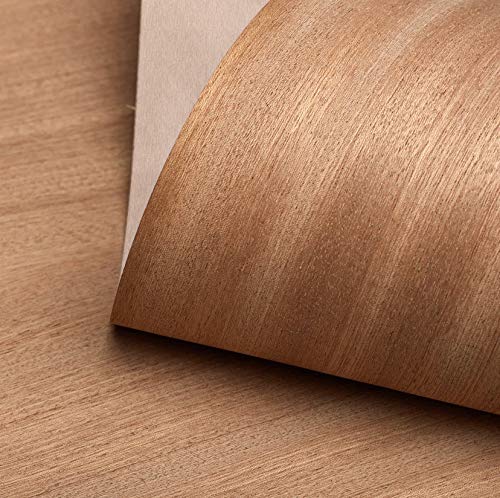
A durable, flat-cut mahogany veneer designed for longer panels and restoration projects. Backed with paper for easy handling and a trim-to-size workflow. Best for traditional, warm-toned cabinets where a premium mahogany grain is desired. Use with a compatible adhesive and a roller for best results. Caution: plan matching grain continuity across long runs to avoid visible seams.
Edge Supply Mahogany Wood Veneer Sheet Flat Cut (24″ x 48″)

This 24″ x 48″ mahogany sheet provides a versatile option for refacing smaller cabinet sections or creating feature panels. It’s paper-backed for easy grip and compatible with standard contact adhesives. Best for projects requiring a balance between ease of use and a rich mahogany finish. Choose this size when paneling tight spaces or when your project requires multiple panels with consistent color and grain.
Cherry Wood Veneer Plain Sliced/Flat Cut 24×96
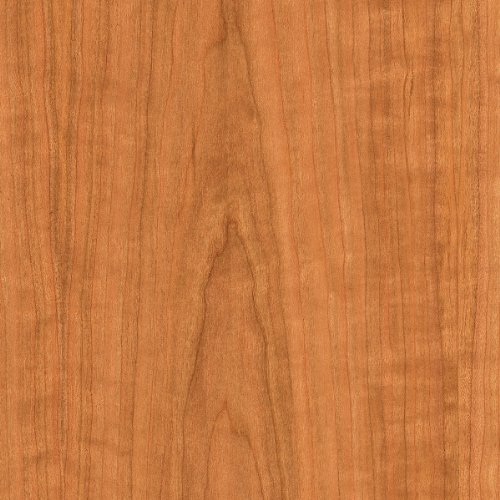
Cherry veneer offers a warm, reddish tone with a natural grain that enhances traditional cabinetry. Unfinished and ready for stain or finish, it provides stable yet flexible application. Best for classic kitchen or pantry upgrades where color matching to existing cherry or darker woods is key. Limitation: natural variation in grain and color between sheets may require multiple panels to achieve uniform look.
GSCIT Club Red Oak Edge Banding

Edge banding helps finish cabinet edges and adjacent surfaces when refacing. Best for quick touch-ups and precise edge matching on laminate or veneer-covered frames. Caution: this is edge banding, not a full veneer sheet, so use for edge finishing rather than full panel refacing.
Buying Guide: Wood Veneer For Cabinet Refacing
What backing matters: Paper-backed veneers are easier to handle and bend, but peeling backing may require more precise alignment. Peel-and-stick (self-adhesive) veneers simplify installation on flat surfaces but may be less forgiving on irregular edges. If you’re matching color and grain continuity across large panels, consider longer 96″ sheets to minimize seams.
What size should you choose: For full cabinet doors or wide panels, 24″ x 96″ sheets reduce seam lines, while 24″ x 48″ sheets suit smaller sections or inserts. For curved corners, birch or flexible mahogany sheets (Edge Supply Ultra Flex Birch) offer better bendability without grain splitting.
Finish and maintenance: If you plan to stain the veneer, ensure it’s the right species to achieve the desired color. Backed veneers with a stable grain reduce finish irregularities. Use compatible contact adhesives or self-adhesive options as recommended by the sheet and adhesive manufacturers.
Installation tips: Cut to size with a sharp box knife, apply adhesive evenly with a roller, and press firmly to remove bubbles. For peel-and-stick sheets, heat with a hot iron or heat gun to activate adhesive and improve bond in grooves and edges. Always test a small area before full installation.
Frequently Asked Questions
- What veneer thickness is typical for cabinet refacing?
Most sheets use about 0.024 inches (24 mil) to 0.010 inches (10 mil) for front thickness and backing. - Can I refinish existing veneer or only replace it?
Veneer sheets are designed to cover or replace damaged surfaces; minor repairs can also be addressed with patching and re-finishing. - Is self-adhesive veneer suitable for curved surfaces?
Self-adhesive veneers work well on flat surfaces; for curves, paper-backed or flexible veneers with proper adhesive are preferable. - How do I match grain across multiple sheets?
Plan panel layouts, group sheets with similar grain patterns, and stagger seams to minimize visible mismatches. - Should I seal veneer after installation?
Apply a compatible stain or finish to protect the surface and unify color; follow manufacturer recommendations for sealing. - What’s the best option for quick DIY projects?
A peel-and-stick mahogany veneer is convenient for flat panels and rapid upgrades, while paper-backed sheets offer more flexibility for curved edges.