If you’re finishing stair edges, the right wood trim or stair nosing can improve safety, aesthetics, and durability. This guide showcases five top products for various needs—from unfinished hardwood nosings ready to stain to self-adhesive rubber edge protectors for quick installs. It’s ideal for homeowners, DIY renovators, and carpenters seeking reliable trim solutions. Below, you’ll find concise buying considerations and direct product comparisons to help you pick the right trim for your staircase project.
Overview table of selected products:
- Stair Edge Trim Self Adhesive Rubber Stair Nosing Edge Protector — Best for quick, all-weather installations.
- 36″ Butt Stair Nosing Unfinished Red Oak — Best for natural wood staining to match existing floors.
- European White Oak Stair Nosing (Unfinished) — Best for coordinating with imported oak floors; customizable thickness.
- Pangda 50 ft Stair Edge Protector — Best for long runs and high-traffic stairs, with strong adhesion.
- EWQR12 Quarter Round Moulding (Unfinished Red Oak) — Best for detailed trim and restoration projects.
Stair Edge Trim Self Adhesive Rubber Stair Nosing
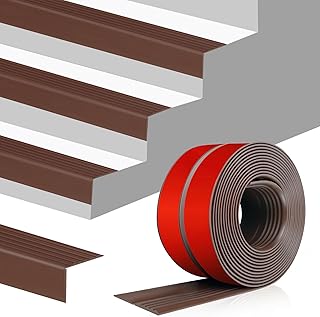
Best for fast, no-fuss installations on indoor and outdoor stairs. This brown vinyl nosing features a grooved, anti-slip surface that increases traction on wet or dry steps, helping reduce slips for families with children and seniors. The strong adhesive backing is designed for smooth surfaces, supporting high-traffic areas with reliable staying power. Consider this option if you want a peel-and-stick solution that requires no nailing or routing.
Who it’s best for: homeowners needing a quick-upgrade for safety and edge protection on a budget. Why selected: combines anti-slip performance with water and stain resistance for easy maintenance. Limitation: adhesive performance can vary on highly uneven or dusty substrates; surface preparation may be required for best results.
36″ Long Butt Stair Nosing Unfinished Red Oak

Best for traditional hardwood stairs where a natural wood edge is desired. This unfinished red oak butt nosing is 3/4″ thick and 3 3/8″ wide, designed to finish cleanly on treads and landings. It’s ideal for staining to match existing floors or trim, creating a cohesive hardwood transition. Ready to stain or finish allows precise color matching with your woodwork.
Who it’s best for: woodworkers and remodelers aiming for a seamless, natural wood appearance. Why selected: easy to finish to match existing floors and trim. Limitation: requires staining or finishing, which adds an extra step to the project.
European White Oak Stair Nosing (Unfinished)

Best for coordinating with imported white oak floors, with a finish-ready profile and a bullnose front. Unfinished European white oak is kiln-dried and ready to sand, stain, and topcoat to match your flooring. It provides a durable edge with a robust look that suits higher-end interiors and long-lasting stair trims.
Who it’s best for: homeowners installing or upgrading oak stairs and matching floor transitions. Why selected: aligns with common oak floor aesthetics and offers multiple thickness options. Limitation: measure flooring thickness carefully, as nosings come in specified thicknesses that must match the floor for best fit.
Pangda 50 ft Stair Edge Protector — Black

Best for long stair runs and high-traffic environments. This 50 ft roll of 3.6-inch-wide rubber edge trim features raised diamond textures for enhanced traction, even in damp conditions. It’s self-adhesive and designed for quick installation on wood, concrete, metal, or tile stairs. The matte black finish provides a neutral look that blends with many stair designs.
Who it’s best for: households needing broad coverage and strong slip resistance across many steps. Why selected: long roll reduces the need for frequent splices, saving time. Limitation: some users may prefer wood-tone finishes for a warmer aesthetic; this option prioritizes safety and practicality over color coordination.
EWQR12 Quarter Round 3/4″ x 3/4″ Moulding Trim

Best for restoration and detail-focused projects. This unfinished red oak quarter-round moulding delivers crisp edge detailing and a classic, finished look when installed on stair landings or around doorways. It’s milled in the USA and ready for paint or stain, making it a versatile choice for precise trim work and old-home renovations.
Who it’s best for: carpenters and homeowners pursuing traditional trim accents and careful restoration. Why selected: supports detailed moldings and matching with red oak interiors. Limitation: quarter-round trims require precise cutting and fitting for seamless corners and transitions.
Buying Guide: How To Choose The Right Wood Trim For Stairs
What type of trim should you choose for your stairs? Start with understanding the environment and finish you want. If you need fast, tool-free installation, consider self-adhesive rubber stair nosings. For high-visibility, natural-wood projects, unfinished red oak or European white oak nosings let you color-match existing floors. If you’re covering long flights, a wide edge protector can reduce maintenance and splicing.
Key considerations:
- Material: Rubber edging offers durability and anti-slip performance; wood nosings provide authentic looks and stain-matching opportunities; quarter-round and moulding trims suit traditional interiors.
- Finish: Unfinished options require staining or painting to match your floors; prefinished or stained options save time but limit color customization.
- Installation: Peel-and-stick products simplify quick upgrades; wood nosings require trimming, sanding, and careful fitting for flush transitions.
- Thickness and width: Ensure compatibility with tread depth and riser height; measure actual flooring thickness for nosings designed to end flush with the surface.
- Safety features: Look for textured, anti-slip surfaces and durable adhesives for high-traffic or damp stair conditions.
FAQ
- What is the best material for stair nosing in a humid area?
– Rubber or vinyl edge protectors tend to resist moisture better and maintain grip; unfinished wood requires sealing to prevent water damage. - Do I need to install trim over existing stair edges or is replacement enough?
– If the edge is damaged or worn, installing new nosing provides a safer edge and a refreshed look; compact edges may suffice if the profile is intact. - How do I choose the right thickness for stair nosing?
– Compare the flooring thickness to the nosing thickness. Choose a trim that ends flush with the top surface of the tread for a smooth transition. - Can I install self-adhesive trim on rough surfaces?
– Surface preparation is essential. Clean, smooth, and dry surfaces yield the best adhesion; rough or dusty substrates may require primers or mechanical fastening. - Is unfinished wood safer than pre-finished edges?
– Unfinished wood gives color matching flexibility but requires more maintenance. Pre-finished options offer immediate aesthetics and protection but less customization.