Answering your search for maple-ready stains, this guide highlights top choices that deliver even color, minimal odor, and user-friendly application. The top picks suit DIYers finishing furniture, cabinets, trims, and wood accents. Best for first-timers: gel stains and wipe-on finishes for predictable color; best for durable indoor projects: oil-based products with good penetration. This article compares five maple-friendly options and explains which buyer each product best serves.
Product Comparison at a Glance
- Varathane Premium Fast Dry Wood Stain, Honey Maple — fast-drying oil-based; one-coat coverage; interior use.
- Furniture Repair Kit Wood Markers (13 pieces) — for quick touch-ups on maple furniture and floors.
- DecoArt Americana Gel Stains Maple — water-based gel stain; low odor; matte look.
- HOWARD Restor-A-Finish Maple-Pine — finish-restoring oil blend; blends minor scratches and blemishes.
- Furniture Clinic Wood Stain, Dark Oak — water-based, fast-drying; deep color with one coat potential.
Varathane Premium Fast Dry Wood Stain — Honey Maple

Best for: interior woodworking projects that require a quick finish with a single coat. The oil-based formula penetrates maple to deliver warm honey tones, suitable for furniture, cabinets, doors, and trim. It dries to the touch in about 1 hour and covers up to 70 square feet. Choose this when you need fast turnaround and a durable surface on maple surfaces.
Caution: oil-based stains can be harder to clean and may require mineral spirits for cleanup. Ensure adequate ventilation during application.
Furniture Repair Kit Wood Markers — 13 Pieces

Best for: speedily concealing scratches, nicks, and color mismatches on maple furniture and floors. The set includes six repair markers and wax sticks in six colors (Maple, Oak, Cherry, Walnut, Mahogany, Black), plus a sharpener. It’s a practical method for small, quick touch-ups without refinishing the entire piece.
Why selected: the handy color range matches common maple tones, enabling accurate touch-ups. Limitation: repair results can be less durable on high-traffic surfaces compared with re-staining or refinishing.
DecoArt Americana Gel Stains Maple
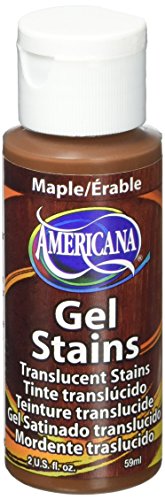
Best for: projects needing low odor and quick gel-stain application on maple indoors. Gel stains sit on top of the wood rather than penetrating deeply, reducing blotching and making color control easier. This maple gel stain is non-toxic and designed to minimize fumes during use.
Limitation: gel stains can require sealant or topcoat to improve durability on high-use surfaces. Best for decorative pieces or furniture that won’t face heavy wear.
HOWARD Restor-A-Finish Maple-Pine

Best for: restoring maple and pine finishes with minor scratches or water stains. This product penetrates and blends, helping restore luster without a full refinishing job. It’s suitable for furniture and trim with mixed maple tones.
Why selected: it’s a convenient wipe-on, wipe-off solution that reduces the need for a full refinishing. Caution: results vary with the amount of wear—extensive damage may still require refinishing.
Furniture Clinic Wood Stain — Dark Oak

Best for: maple pieces needing a deeper color or richer wood tone. This water-based stain dries quickly and provides good color penetration with low odor and non-toxic properties. It’s suitable for both indoor and outdoor furniture and wood projects.
Limitation: water-based stains can raise the grain on some maples; light sanding between coats may be beneficial for an even finish.
Buying Guide: Maple Wood Stain Essentials
What stain type should you choose for maple?
Maple is a dense, light-colored wood that can blotch with some oil-based stains. Gel stains and water-based options often give more predictable color on maple, though oil-based stains can deliver richer tones when properly applied and sealed.
One-coat vs. multiple coats
Some products advertise one-coat coverage, like certain gel or solvent-based stains. In practice, maple may require a second coat or a sealer between coats for uniform color, especially on larger surfaces.
Drying time and odor considerations
Oil-based stains cure slowly and have stronger odors, requiring ventilation. Water-based and gel stains typically offer faster dry times and lower odor, making them suitable for indoor spaces with limited ventilation.
Finish compatibility and topcoats
Always pair stain with an appropriate topcoat: polyurethane for durability, water-based varnishes for low odor, or wax for a soft satin look on decorative pieces. Ensure compatibility between stain and finish to avoid issues like peeling or color shifts.
Color control and blotching
Maple can blotch with some stains. Using a pre-stain conditioner or applying a gel or water-based stain can reduce blotching and promote even color distribution across the grain.
Application tips for best results
- Test stain on a scrap maple piece or hidden area to preview color and blotching.
- Apply with a clean cloth, brush, or sponge in the direction of the grain.
- Wipe off excess stain promptly to prevent uneven coloring.
- Sand lightly between coats with fine grit paper for smooth results.
What should you avoid?
Avoid applying heavy oil-based stains on porous maple without conditioning; blotching can occur. Also, avoid skipping ventilation when using solvent-based products.
Care and maintenance after staining
Keep maple surfaces protected with a durable topcoat and clean with non-abrasive cleaners. Regular dusting helps maintain the finish without dulling the color over time.
Frequently asked questions
- Can I stain maple without blotching? Yes, use a pre-stain conditioner or water-based/gel stains and test first on scrap maple.
- Is gel stain better than oil for maple? Gel stains are often easier to control on maple and blotch-resistant, but oil stains can yield deeper colors with proper sealing.
- Do I need a topcoat after staining maple? Yes, choose a compatible topcoat to protect color and increase durability.
- How long should I wait between coats? Follow product directions; many water-based stains dry quickly, while oil-based may require longer between coats.
- What finishes work best with maple? Polyurethane, water-based varnish, or wax finishes depending on desired durability and appearance.
- Are maple finishes toxic during application? Use products labeled non-toxic or low odor when working indoors and ensure good ventilation.