Yes—if you want a clear, durable gloss or semi-gloss topcoat that highlights wood grain while guarding against scratches and stains, these gloss-friendly finishes perform well on interior wood projects. This guide focuses on water- and oil-based options that dry clear and resist yellowing. It helps choose the right product for furniture, cabinets, trim, doors, and other woodwork. The table below summarizes five top picks to compare sheen, drying times, and application style at a glance.
| Product | Finish Type | Best For |
|---|---|---|
| Minwax 1/2 pt Clear Polycrylic Gloss | Water-based, Gloss | Light woods, interior woodwork needing crystal-clear protection |
| Varathane Water-Based Ultimate Semi-Gloss Polyurethane | Water-based, Semi-Gloss | Cabinets, trim, furniture needing fast dry times |
| Minwax Fast Drying Polyurethane Protective Wood Finish | Oil-based, Semi-Gloss | High-traffic surfaces like floors, furniture with durable protection |
| Varathane Water-Based Ultimate Gloss Polyurethane | Water-based, Gloss | Indoor wood surfaces with a bright, clear gloss |
| Varathane Triple Thick Polyurethane Gloss Wood Finish | Water-based, Gloss | All interior wood surfaces needing one-coat coverage |
Minwax Clear Polycrylic Gloss Finish
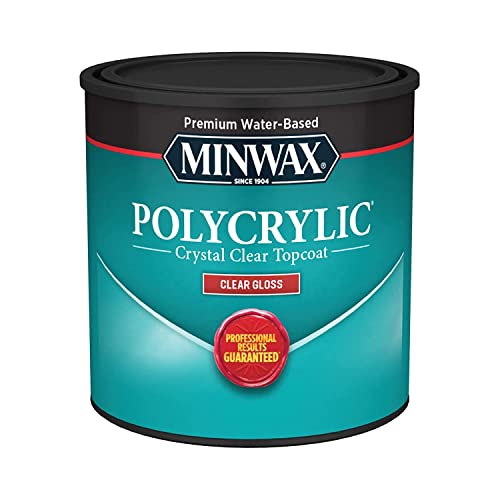
This water-based polycrylic provides a crystal-clear gloss that protects interior wood surfaces. It is ideal for projects finished with Minwax oil- or water-based stains and works well on light woods such as maple or birch. The gloss sheen adds a bright, modern look and remains non-yellowing, non-ambering, and low-odor. Best for decorative furniture, trim, doors, and cabinetry where a clear, sparkling finish is desired. A potential limitation is that it may raise the grain slightly on very soft woods, so light sanding between coats can help.
Varathane Water-Based Ultimate Semi-Gloss Polyurethane

This water-based polyurethane delivers a fast-drying, easy-to-clean finish with a semi-gloss sheen. It dries to the touch quickly and offers convenient recoat intervals. The finish adheres well to indoor wood surfaces such as furniture, windows, cabinets, and trim. Best for projects where quick turnaround matters and a durable, transparent layer is key. A caution: while fast-drying, it may require careful handling to avoid brush marks if applied thickly or in high humidity.
Minwax Fast Drying Polyurethane Protective Wood Finish

This oil-based polyurethane offers robust protection with a semi-gloss finish. It’s designed for interior projects like woodwork, furniture, doors, cabinets, and floors. The durable coating provides long-lasting protection against scratches and spills, making it suitable for high-use surfaces. Choose this when you need a traditional, warm-toned look with strong wear resistance. A limitation is the longer cure time and stronger odor typical of oil-based finishes, so ventilation is important.
Varathane Water-Based Ultimate Gloss Polyurethane

This gloss finish provides a clear, bright appearance with water-based durability. It dries quickly and cleans up with soap and water, making it convenient for busy projects. It’s well-suited for furniture, cabinets, trim, and other indoor woodwork where a high-gloss, protective layer is desired. A potential caveat is that very dark stains can sometimes skew slightly under a high-gloss coat; test compatibility on a sample piece first.
Varathane Triple Thick Polyurethane Gloss Finish

Designed for interior surfaces, this water-based polyurethane offers one-coat coverage with a high gloss. It provides scratch and stain resistance suitable for furniture, doors, trim, and other woodwork. Best for projects needing a quick, shiny finish with strong durability. A limitation is that one-coat coverage may not be ideal for large areas requiring even layering; multiple thin coats can yield a more uniform result.
Buying Guide
What finish level do you need? Gloss finishes emphasize grain and give a bright look, but higher gloss can show application imperfections more readily. Water-based formulas dry faster, emit fewer fumes, and are easier to clean, while oil-based finishes tend to deepen color and add warmth but require longer cure times and ventilation.
How to choose by project? For furniture and cabinets with light-colored woods, a crystal-clear or bright gloss is typically preferred. For floors or high-traffic surfaces, a durable polyurethane with strong abrasion resistance is more suitable. If you must change color, consider a stain-and-seal-in-one product or applying a stain before a clear topcoat.
Application tips: prepare surfaces by sanding to a uniform smoothness, remove dust, and apply thin coats with even strokes. Allow complete curing between coats as recommended by the manufacturer. Test on a scrap piece or inconspicuous area to verify color and sheen before full application.
FAQ
- What is the difference between polycrylic and polyurethane gloss finishes?
Polycrylic is water-based and typically clearer with less ambering; polyurethane can be water- or oil-based with varying warmth and durability. - Is a gloss finish suitable for all woods?
Gloss can enhance grain on most woods, but very soft woods may raise grain; light sanding between coats helps. - How long does quick-drying polyurethane take to cure?
Dry-to-touch times are often around 30 minutes to a couple of hours, but full cure can take days depending on humidity and coat thickness. - Can I apply a gloss topcoat over a stain?
Yes, most gloss topcoats work well over many stains, but test for compatibility on a small area first. - What maintenance is needed for a gloss finish?
Keep surfaces clean, avoid abrasive cleaners, and recoat when the gloss shows wear or scratches. - Are water-based products better for indoor use?
Yes, water-based finishes typically have lower odor, faster cleanup, and less color shift than oil-based options.