Answering the question, these wood fence stain colors offer UV protection, moisture resistance, and a range of finishes from semi-transparent to solid. They’re best for DIY homeowners, professional-grade projects, and anyone seeking easy maintenance with a desirable look. Below, you’ll find five top options chosen for color variety, application ease, and overall protection for fences, decks, and siding.
| Product | Finish Type | Best For | Why It Stands Out |
|---|---|---|---|
| Woodrich Brand Timber Oil Sample Kit | Oil-based, penetrating | Color explorations and small projects | Five colors in 2 oz samples for testing before committing |
| Ready Seal Exterior Wood Stain (Natural Cedar) | Semi-transparent oil-based | Low-maintenance outdoor wood | No laps, runs, or back-brushing required |
| Thompson’s WaterSeal Solid Color | Solid color waterproofing | High-visibility color with wood protection | Hides grain while preserving texture and adding protection |
| OLYMPIC WaterGuard Woodland Cedar | Semi-transparent water-based | Decks and fences with quick drying | Ready-to-use formula with moisture protection |
| SaverSystems #1 Deck Premium | Semi-transparent, water-based | Color without heavy full coverage | Deep penetration and low-VOC formulation |
Note: The five products above were selected for a balance of color options, ease of use, and practical outdoor performance. Each entry includes a direct Amazon link, a concise rationale, and clear buyer-oriented guidance.
Woodrich Brand Timber Oil Sample Kit

Features: Woodrich Brand has 20+ years of contractor trust. The kit includes one 2 oz sample of each color: Signature Brown, Western Cedar, Amaretto, Brown Sugar, and Warm Honey Gold.
- Best for homeowners who want to test multiple shades before committing to a full can.
- Limitations: 2 oz samples may not cover large fence sections; plan a color test patch first.
Ready Seal Exterior Wood Stain Natural Cedar

Features: Semi-transparent oil-based formula; no laps or streaks; durable moisture resistance and UV protection; suitable for decks, fences, siding, and more.
- Best for: DIY projects seeking an easy, goof-proof finish with long outdoor life.
- Limitations: Oil-based stains may require mineral spirits for cleanup and stronger odor during application.
Thompson’s WaterSeal Solid Color Chestnut Brown

Features: Solid color waterproofing stain that hides wood grain while preserving texture; fade-resistant polymers protect against UV damage.
- Best for: Wood with visible grain that you want to fully color while limiting water ingress.
- Limitations: Solid color reduces the natural wood grain; heavier coats take longer to cure.
OLYMPIC WaterGuard Woodland Cedar

Features: Ready mix semi-transparent wood stain and sealer; waterproofing protection; dries in 24 hours; water-based formula.
- Best for: Quick-turnaround projects where you want both color and seal in one step.
- Limitation: Semi-transparent finish may require reapplication sooner than solid finishes in high-UV climates.
SaverSystems #1 Deck Premium Semi-Transparent
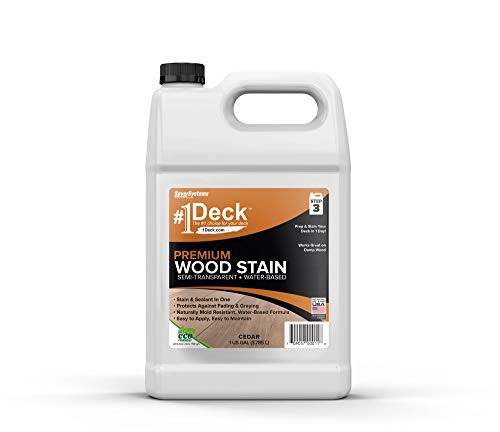
Features: Water-based semi-transparent stain and sealer; low VOC content; penetrates to protect decks, fences, and sidings while preserving natural grain.
- Best for: Environmentally conscious projects that prioritize lower VOC and easy cleanup.
- Limitation: Semi-transparent finishes may require more coats to achieve deeper color on older wood.
Buying Guide
What should you consider when choosing a wood fence stain color?
- Finish type: Do you want semi-transparent, semi-opaque, or solid color? Semi-transparent highlights grain, while solid colors provide strong coverage.
- Oil-based vs water-based: Oil-based stains penetrate deeply and often last longer; water-based options dry quickly and clean up with soap and water.
- Climate and exposure: Areas with intense sun or heavy moisture may benefit from UV protection and moisture resistance.
- Application and maintenance: Some formulas are “no laps, runs, or streaks” and easier for beginners; others require more precise brushing or back-brushing.
- Color strategy: Light cedar tones can brighten wood, while darker browns and reddish hues emphasize grain and texture.
- Surface prep: Clean, dry wood yields the best finish; consider weather windows and cure times to avoid peeling.
Practical tips for choosing the right color
- Test color samples on a small, inconspicuous area before full application.
- Match neighboring wood and siding colors to ensure a cohesive exterior look.
- Consider maintenance intervals: lighter colors may require more frequent re-coating in harsh climates.
Installation considerations
- Read product labels for recoat windows and cleanup instructions.
- Apply in moderate temperatures with proper airflow to avoid uneven drying.
- Dispose of leftover stain according to local regulations, especially for oil-based products.
Maintenance and longevity
- Inspect annually for wear, peeling, or color fading and recoat as needed.
- Repair damaged boards before staining to ensure uniform protection.
FAQ
- What is the difference between semi-transparent and solid color stains?
Answer: Semi-transparent stains color the wood while letting grain show; solid colors completely cover the grain for a uniform look and stronger water resistance. - Are oil-based stains better than water-based for fences?
Answer: Oil-based stains typically offer deeper penetration and longer durability, but require mineral spirits for cleanup; water-based stains clean with soap and water and often have lower odor. - Can I apply stain in direct sunlight?
Answer: Some products are designed to withstand sun exposure; check label guidance, as certain formulations perform best with shade and cooler temperatures. - How soon can I recoat after staining?
Answer: Follow the product’s recoat window; some water-based stains dry quickly, while oil-based formulas may require longer curing times. - Is testing colors necessary?
Answer: Yes. Testing helps ensure color accuracy on your wood type and rejects potential color surprises after full application. - Which product is best for a DIY fence project?
Answer: For a beginner-friendly option with easy application, choose Ready Seal or SaverSystems for a balance of color and protection.