Looking for a dye to bring maple wood to life with clear, grain-enhancing color? The right wood dye for maple delivers transparent, shade-true results that highlight the distinctive maple grain without muddying or ghosting. This guide covers five reliable maple-friendly dyes, noting who each product is best for and practical tips to get a smooth, even finish. Buyers include hobbyists staining maple furniture, woodworkers refinishing cabinets, and DIYers looking for quick-drying, low-odor options.
Summary table of selected products:
| Product | Brand | Best For | Key Benefit | Limitations |
|---|---|---|---|---|
| TransTint Dyes, Dark Vintage Maple, 2 oz | TransTint | Professional projects needing precise control | Highly concentrated, mixes with many finishes, enhances grain | Intense color; test dilution for depth |
| Wood Dye – Aniline Dye 5 Color Kit | Keda Dye | Colorful experiments and multiple color options | Five colors; eco-friendly; strong pigmentation | Powder dye; requires mixing |
| Minwax Wood Finish, Colonial Maple Stain | Minwax | Interior maple projects seeking rich, even color | Oil-based, deep penetration, quick dry | Oil-based; odor may be stronger |
| Varathane Premium Fast Dry Wood Stain, Honey Maple | Varathane | Fast-drying maple furniture and trim | One-coat coverage, 1-hour dry time | Oil-based; may require more coats for deep tones |
| General Finishes Water Based Dye, Amber | General Finishes | Water-based option for low odor projects | Ultra-penetrating, deep tones that bring out grain | Water-based; color depth depends on application |
TransTint Dyes, Dark Vintage Maple

Overview: TransTint Dyes are professional-grade concentrated liquid dyes. The Dark Vintage Maple color is intended for maple or light woods to create rich, transparent tones that highlight the grain. The dye mixes with water, alcohol, shellac, lacquer, and compatible general finishes, offering flexibility for different project needs. Best for: fine furniture builders and cabinetry projects where precise control and grain clarity matter. Limitation: a few drops determine shade; test dilution to reach the desired depth.
Who it’s best for
- Professional woodworkers seeking precise control over maple color.
- DIYers performing staining on maple furniture or cabinets who want rich, transparent tones.
Why selected
Its high concentration allows small amounts to go a long way, delivering economical use and predictable color when mixed with various finishes. It excels at avoiding muddying grain, a common issue with some dyes on maple.
One caution
Because the dye is highly concentrated, start with a tiny test drop and gradually build color to prevent over-saturation on maple.
Wood Dye – Aniline Dye 5 Color Kit
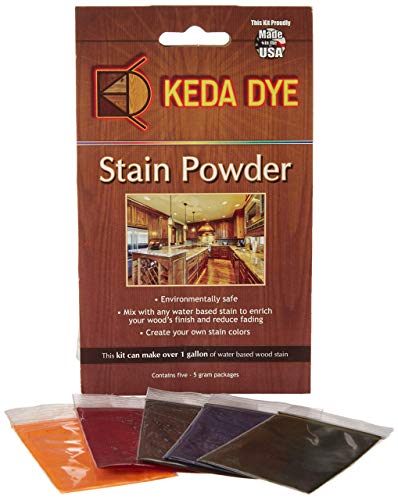
Overview: This Keda Dye kit includes five colors designed to mix into a wide range of maple shades. The wood dyes are eco-friendly and produce vibrant results, with strong pigmentation and easy mixing. Best for: crafters and professionals who want a broad color palette for maple projects. Limitation: must mix per color to achieve consistent shade across large surfaces.
Who it’s best for
- Users who want multiple color options from one kit.
- Projects requiring precise color layering and control on maple.
Why selected
The kit delivers powerful pigments and versatility for maple staining, enabling a range of tonal outcomes from light to deep hues without relying on pre-mixed dyes.
One caution
Powder dyes require careful measurement and thorough mixing to ensure uniform color on larger maple surfaces.
Minwax Wood Finish, Colonial Maple Stain
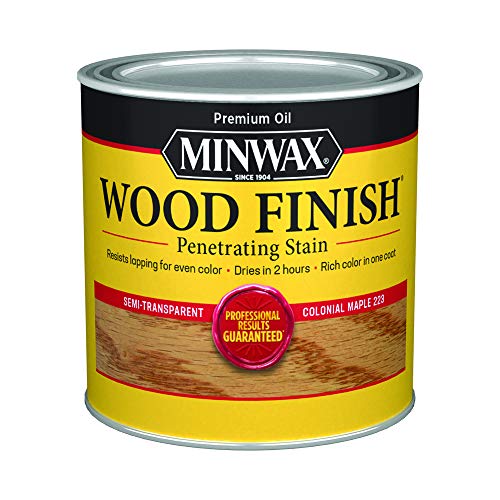
Overview: Minwax Wood Finish is an oil-based stain designed for interior maple projects. It provides a deep, even color and enhances natural grain in one coat. Best for: maple furniture, cabinets, and doors where a traditional, warm maple look is desired. Limitation: oil-based products may require longer clean-up and odor considerations; dry times vary with environment.
Who it’s best for
- Anyone seeking a classic maple finish with strong color depth in interior wood projects.
Why selected
Its deep penetration and ease of application make it a reliable choice for achieving a uniform maple tone with relatively quick results compared to some oil-based alternatives.
One caution
Work in a well-ventilated area and follow safety guidelines due to odor and solvent use inherent to oil-based stains.
Varathane Premium Fast Dry Wood Stain, Honey Maple

Overview: Varathane’s fast-drying, one-coat interior stain offers a honey maple tone with quick dry times. Best for: maple furniture, cabinets, doors, and trim where speed is a priority. Limitation: oil-based formula; may require multiple coats for deeper tones; proper ventilation is recommended.
Who it’s best for
- Projects requiring rapid turnaround on maple surfaces.
Why selected
The one-coat coverage and humidity-tolerant performance make this stain practical for busy workshop schedules, while still delivering a recognizable maple hue.
One caution
For darker maple or richer hues, you may need to apply additional coats or pair with a protective topcoat to seal the color.
General Finishes Water Based Dye, Amber

Overview: General Finishes water-based dye is ultra-penetrating and designed to work like solvent-based stains, delivering deep, vibrant tones that enhance maple grain. Best for: maple cabinetry and furniture where a low-odor, water-based option is preferred. Limitation: color depth can vary with surface porosity and application technique.
Who it’s best for
- Projects requiring low odor and easy cleanup, especially indoors.
Why selected
Water-based dyes provide a balance of fast drying, low odor, and strong grain enhancement, which is particularly suitable for maple’s light tone and distinct grain pattern.
One caution
Shake well before use and practice color tests on scrap maple to ensure even coverage across large panels.
Buying Guide: Maple Wood Dye Considerations
- Color depth and transparency: Maple benefits from dyes that highlight grain without obscuring the figure. Choose transparent or semi-transparent formulas for best grain highlight.
- Base type: Water-based dyes minimize odors and cleanup, while oil-based stains generally penetrate deeper and may yield richer colors—consider indoor use and ventilation needs.
- Concentration and control: Highly concentrated dyes (like TransTint) allow precise control but require careful dilution. Powder dyes require mixing accuracy.
- Finish compatibility: Some dyes are designed to work with specific finishes (shellac, lacquer, or water-based topcoats). Test compatibility with your final topcoat.
- Application and drying: Maple can raise grain; choose products with good leveling properties and consider light sanding between coats for a smooth surface.
- Safety and odor: For indoor projects, prioritize low-odor, low-VOC options when possible to improve air quality during finishing.
Practical tips for maple staining
- Test on scrap maple to gauge color depth and grain enhancement before committing to the project.
- Apply in thin, even coats along the grain to avoid lap marks and blotching.
- Seal the dye with a compatible topcoat to protect the color and provide durability.
FAQ
- What dye works best for maple grain clarity? Transparent or semi-transparent dyes, like many water-based options, best preserve maple grain while adding color.
- Is oil-based stain better than water-based for maple? It depends on desired depth and odor constraints; oil-based may yield deeper tones but with stronger odor and longer dry times.
- Can I mix colors to create maple shades? Yes, especially with dye kits and concentrated dyes; test mixtures to achieve the exact hue for maple.
- Do I need a sealer after staining maple? Yes, a compatible topcoat protects color and enhances durability.
- How to avoid blotching on maple? Even application, grain-friendly prep, and proper stain penetration help minimize blotching; consider pre-conditioning if needed for certain stains.
- Are these dyes suitable for indoor furniture? Yes, many options feature low odor and low VOC formulations suitable for indoor projects.