Looking for a white wash oak stain that brightens grain and protects wood in one easy step? This guide highlights top 5 products ideal for beginners and seasoned woodworkers alike. Best for DIY furniture, cabinetry refreshes, and light oak floors, these selections offer low odor, quick dry times, and versatile application methods. Each option is chosen to balance color accuracy, ease of use, and compatibility with common finishes. Compare features, best uses, and potential limitations to pick the right white wash oak stain for your project.
| Product | Brand | Type | Best For |
|---|---|---|---|
| Varathane 384807 Water Based White Oak Stain | Varathane | Water-based stain | Light-wood furniture and panels |
| Minwax Color Wash Transparent Layering Color, White Wash | Minwax | Transparent layering stain | Over bare or pre-stained wood for aged look |
| SamaN Interior Water Based Whitewash | SamaN | Water-based whitewash | Greener, odor-conscious interiors |
| Varathane 355305 Whitewash Wood Enhancer | Varathane | Whitewash wood enhancer | Shabby chic and modern farmhouse looks |
| General Finishes Water Based Whitewash Stain (Whitewash) | General Finishes | Water-based whitewash stain | Indoor furniture and cabinetry with rich pigment |
Varathane 384807 Water Based Wood Stain, White Oak

What it is best for: DIY furniture and cabinetry projects seeking a single-coat color with low odor. Why selected: This water-based stain uses advanced pigments to enhance natural wood grain while delivering a rich white oak tone. It dries quickly and can be layered for a darker finish. Caution: In very porous woods, additional coats may be needed to achieve uniform color.
Minwax Color Wash Transparent Layering Color, White Wash
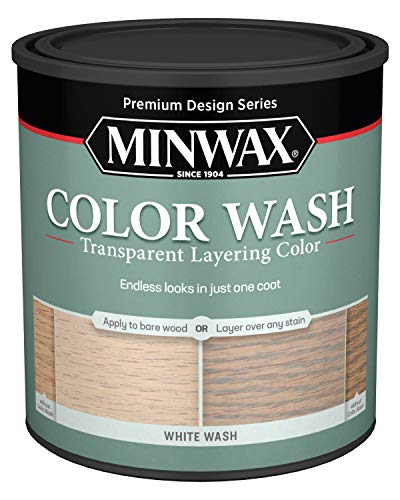
What it is best for: Light, aged-white effects over bare or stained wood. Why selected: It adds a touch of age and character with transparent layering, allowing you to build depth gradually. Caution: Can be tricky to obtain an even finish if overworked or used on highly figured woods.
SamaN Interior Water Based White Wash

What it is best for: Eco-conscious interiors requiring low odor and low VOC. Why selected: SamaN emphasizes greener products with odorless, low VOC formulas and one-coat ease for fast projects. Caution: Darker look may require more coats if a stronger whitened effect is desired.
Varathane 355305 Whitewash Wood Enhancer
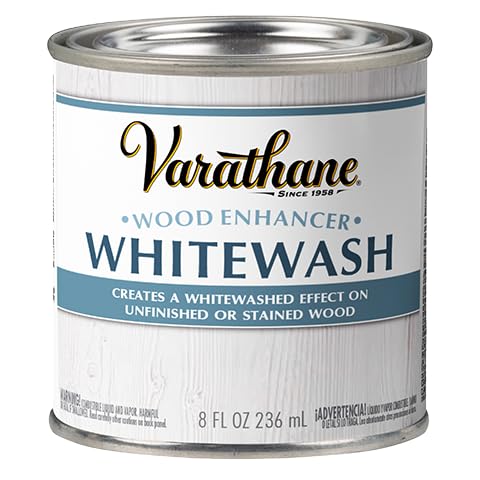
What it is best for: Versatile whitewash that suits many surfaces and looks. Why selected: The product supports multiple application techniques for modern farmhouse or shabby chic aesthetics and covers large areas with a single quart. Caution: Performance depends on wood porosity; lighter woods may appear more subtle than expected.
General Finishes Water Based Whitewash Stain
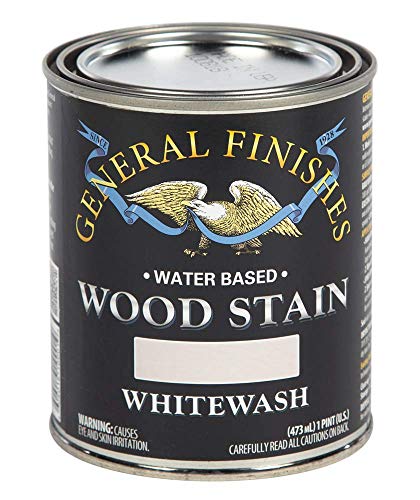
What it is best for: Indoor furniture and cabinetry needing a rich pigment with a clean whitewash look. Why selected: High-quality pigments produce rich, dark colors while remaining water-cleanup friendly and low odor. Caution: Indoor use only; ensure proper ventilation during application and drying.
Buying Guide: Key Considerations for White Wash Oak Stains
What finish are you after? A true whitewash effect sits between a light tint and a full paint-like look. Consider whether you want a transparent layer to showcase grain or a more opaque whitewash for a brighter result.
What surfaces will you treat? Wood type and porosity influence color depth. Softer woods or highly figured panels may require a different product or additional coats to avoid blotching.
Water-based vs oil-based: Water-based stains offer low odor, quick cleanup, and easier re-coats. Oil-based formulas can yield deeper color and longer durability but have stronger odors and longer dry times. Choose based on indoor use and personal tolerance for fumes.
Application method: Some products are designed for one-coat color, others rely on layering or multiple passes. If you’re a beginner, pick a product marketed as easy-to-use or “no-lap” formula to reduce blotching.
Drying time and recoat window: Faster drying enables quicker project progression but may require careful timing to avoid overlapping strokes. Always follow manufacturer guidance for recoat intervals.
Environmental impact: Low VOC and low odor options help indoor air quality. If sustainability matters, consider greener formulas with documented low VOC content and safer ingredients.
Finish compatibility: If you’ll seal with a top coat, verify that the stain is compatible with your chosen polyurethane or varnish. Some water-based stains pair best with water-based finishes, while others can work with solvent-based options.
Frequently Asked Questions
- What is whitewash stain best for? Whitewash stains create a pale, translucent color that highlights wood grain, ideal for furniture, cabinetry, and paneling with a rustic or modern farmhouse look.
- Do whitewash stains require a conditioner? Many whitewash stains do not require a conditioner, especially water-based formulas, but very porous woods may benefit from conditioning to reduce blotching.
- Can I apply whitewash over existing finish? Some products are designed to go over bare wood or existing stains; test a small area first to confirm color and adhesion.
- Is low odor enough for indoor projects? Low odor is helpful for indoor projects, but ensure proper ventilation and follow safety guidelines during application and curing.
- Can I seal whitewashed surfaces with poly? Yes, most whitewash stains are compatible with clear water-based or oil-based topcoats; always test a small area for compatibility.
- How many coats are needed for a whitewash look? This depends on the product and desired opacity. Transparent stains build color with more coats; opaque finishes may require fewer coats to achieve the look you want.