Finding the right white wall texture product depends on your project needs, whether repairing a small area, refreshing a room, or covering imperfections. This guide highlights five top options and who they’re best for, with clear comparisons to help you choose confidently. The top picks include spray-in aerosol texture for fast patches, a roll-on additive for durable volume, a ready-to-use textured paint set, an all-in-one paint for simple upgrades, and a decorative texture paint for DIY patterns.
| Product | Brand | Best For |
|---|---|---|
| Homax 41072042963 Aerosol Wall Texture | Homax Store | Texture matching, spray-on patches, quick dry time indicator |
| Zinsser 22233 Roll-A-Tex | Rust-Oleum Store | Durable texture additive for larger areas |
| Wall Textured Paint, White | Unspecified (Private Brand) | Varied textures with included roller for quick patterns |
| ALL-IN-ONE Paint by Heirloom Traditions | Heirloom Traditions Paint Store | Comprehensive paint with no priming or top coat needed |
| YOA Sheepskin Texture Wall Paint | YOA Store | Decorative textures and two-coat finish |
Homax Aerosol Wall Texture In White

Best for: quick repairs on interior walls where texture needs to match existing orange peel patterns. The aerosol applies evenly with adjustable spray settings to create fine or heavier textures. It features a dry-time indicator that changes from blue to white, signaling readiness for priming and painting. This product is ideal for homeowners repairing small patches or blending across walls. Caution: overuse can result in a patchier finish if not allowed to dry fully before painting.
Zinsser Roll-A-Tex Medium Texture Additive

Best for: wall textures that require durability and a reliable medium texture finish. This product is described as easy to use and highly durable, manufactured in the United States. It’s suited for homeowners who want a long-lasting texture layer without complex preparation. Limitation: the product’s exact mix ratios and application methods aren’t listed here, so follow the manufacturer’s guidance for best results.
Wall Textured Paint With Roller Kit

Best for: beginners or DIYers wanting a quick, all-in-one textured finish with a dedicated texture roller for creating rock, sandstone, bark, or silk textures. It also covers defects and is suitable for indoor and outdoor use. Caution: the kit emphasizes two-coat application for best results and depends on proper drying between coats.
ALL-IN-ONE Paint by Heirloom Traditions
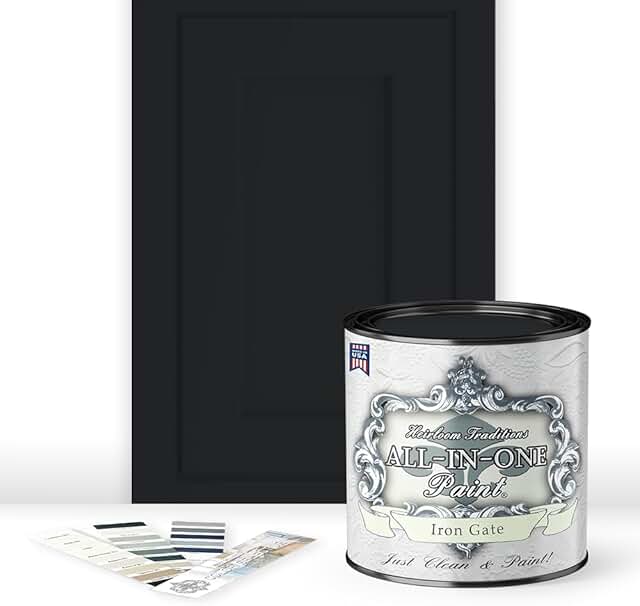
Best for: full-room refreshes where a single product can replace priming and top coats. The paint claims to work on multiple hard surfaces and deliver a velvet sheen without sanding. Choose this for a simplified workflow, especially when aiming for a uniform finish. Limitation: “ALL-IN-ONE” claims depend on surface compatibility; test on a small area first.
YOA Sheepskin Texture Wall Paint

Best for: decorative textures with two-coat guidance. The product emphasizes ease of use, with included tools and a recommendation to use primer for improved adhesion. It supports diverse color options for living rooms, bedrooms, and hallways. Caution: ensure adequate drying time between coats to achieve a smooth texture and even color.
Buying Guide
- Texture Type: Decide between spray texture, additive-based texture, or textured paint. Sprays are fast for patches; additives build durable textures; textured paints offer comprehensive coverage with decorative options.
- Area and Application: For small repairs, aerosol textures can be quicker. For entire walls, a roll-on texture additive or textured paint provides consistency.
- Drying Time: Consider products with clear dry-time guidance and whether you’ll prime or paint afterward. Some textures indicate when they’re ready by color change or instructions.
- Durability and Indoor/Outdoor Use: If the wall faces weather or moisture, choose formulas with higher durability and weather resistance when applicable.
- Finish and Color: White is common for wall textures; some products offer velvety or satin finishes after painting. Test color and texture on a hidden area first.
- Ease of Use: All-in-one paints simplify workflows but require proper surface prep. Tools included with textured paints can simplify the process for beginners.
FAQ
- What is the easiest white texture for a first-time DIYer?
Texture paints with included rollers and simple two-coat instructions are typically easiest for beginners.
- Can I texture over existing wallpaper or glossy surfaces?
Prep may be required; sanding and priming usually improve adhesion for new textures.
- Which texture option best hides wall imperfections?
Textured coatings with thick formulas and larger texture patterns tend to conceal cracks and dents more effectively.
- How long should I wait between coats when using texture paints?
Follow the product’s drying guidelines; many recommend several hours between coats for best results.
- Is a primer always necessary with textured paints?
Primers help adhesion and color accuracy, especially when applying over challenging surfaces.
- What’s the difference between aerosol textures and textured paints?
Aerosol textures are quick for spot repairs; textured paints provide broader coverage and more pattern variety.