Yes, wax is a smart choice for protecting and enhancing wood furniture. This guide highlights five top products that suit different finishes and project needs—from natural, food-grade beeswax to tinted waxes for warm, antique looks. The best options rely on finish type, application ease, drying time, and the level of protection you need for indoor use. Whether you’re restoring antiques, sealing painted surfaces, or refreshing cabinets, these picks help you achieve a durable, beautiful result. The top products below are best for DIYers, woodworkers, and homeowners seeking a simple, effective wax finish without heavy solvents or polyurethane replacements.
Summary of selected products:
| Product | Best For | Key Benefit | Notes |
|---|---|---|---|
| Minwax Paste Finishing Wax, 16 oz., Natural Finish | Unfinished or lightly finished wood, furniture and antiques | Easy application and hand-rubbed luster | Could require buffing for high sheen |
| Jolie Finishing Wax – Protective Topcoat (Clear) | Interior furniture, cabinets and decor | Odor-free, non-hazardous, good coverage | Best used in thin coats with dry time between layers |
| HOWARD WAX-IT-All (Beeswax, Food-Grade) | Food-contact surfaces and kitchen items | Food-grade safety with natural beeswax | Clear finish; not a heavy-duty sealant |
| Wood Finishing Wax for Furniture – 100% Natural Chalk Wax | Painted or raw wood, floors, decorative pieces | Natural, plant-based formula with deep nourishing seal | Includes tools; best with proper curing time |
| Jolie Finishing Wax – White (Protective Topcoat) | White or light-colored painted surfaces | Chalk-style wax for textured finishes | Can be buffed to a matte or subtle sheen |
Minwax Paste Finishing Wax, 16 oz., Natural Finish

Best for: furniture, antiques, woodwork, cabinets, doors, paneling, and accessories that don’t require a hard polyurethane coat.
This wood paste wax provides protection while delivering a hand-rubbed luster to finished wood surfaces. It’s quick and easy to apply: clean the surface, apply a thin coat, let dry for 10–15 minutes, then buff with a cloth or polisher. It’s a solid choice when you want a natural-looking finish without heavy coatings. Best used for satin to low-sheen results and is especially suitable for items where a warm, classic look is desired.
Caution / Limitation: Excess wax or improper buffing can lead to a cloudy or uneven appearance on highly figured wood. In such cases, apply light coats and thoroughly buff between layers.
Jolie Finishing Wax – Protective Topcoat (Clear)
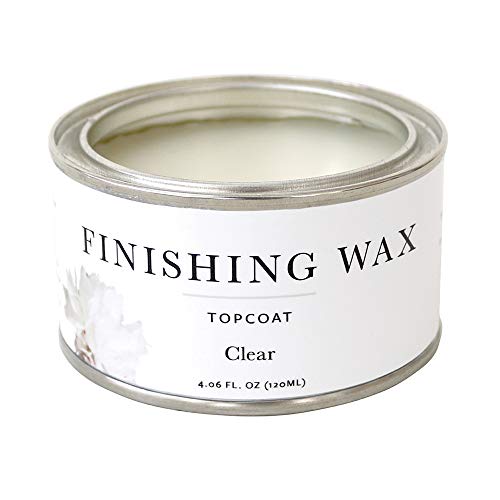
Best for: interior furniture, cabinets, walls, home decor, and accessories requiring odor-free, non-hazardous protection.
Features highlight an odor-free, non-yellowing formula with easy application. Apply 1–2 coats with a wax brush or soft cloth, allowing about 8 hours between coats. It offers good coverage and is available in both 120 ml and 500 ml sizes, making it suitable for small touch-ups or larger projects. Choose this if you want a clear, protective topcoat that deepens and protects painted or natural wood finishes without adding color.
Caution / Limitation: The long cure time means you’ll want to plan projects with multi-coat schedules, especially for high-traffic furniture.
HOWARD WAX-IT-All – Protective Food-Grade Beeswax

Best for: wood surfaces exposed to kitchen use, including cutting boards and countertops that require a food-grade finish.
This product combines food-grade beeswax with protective properties, offering a barrier that helps maintain surface integrity while providing a gentle sheen. It’s suitable for wood, stone, metal, and plastics, and is relatively easy to apply with a thin layer, followed by drying and buffing. It’s particularly appealing for households prioritizing food-safety during routine care of wooden items.
Caution / Limitation: It’s not a heavy-duty exterior sealant; use where indoor, food-safe protection is adequate and reapplication will be manageable.
Wood Finishing Wax for Furniture – 100% Natural Chalk Wax

Best for: painted and raw wood surfaces, wooden floors, and decorative projects seeking a natural, eco-friendly finish.
Features emphasize a 100% natural, plant-based formula with carnauba wax and beeswax. The product restores and nourishes dry or aged wood, filling fine cracks and enhancing natural grain. It provides durable indoor protection against moisture and wear while being suitable for floors and furniture. This wax is a strong option for projects aiming for a green, non-toxic seal.
Caution / Limitation: Being plant-based and natural, it may require more frequent reapplication for high-use surfaces to maintain appearance.
Jolie Finishing Wax – White (Protective Topcoat)

Best for: white or light-colored painted surfaces where a subtle matte to soft sheen finish is desired.
This product is a premium chalk finish wax that is odorless, non-hazardous, and water-resistant. It highlights texture and moldings and can be buffed to a subtle sheen. It provides a durable matte finish or can be buffed to a gentle gloss, making it suitable for shabby chic or vintage-inspired furniture. Choose this if your project features light tones and you want to accent texture without heavy color saturation.
Caution / Limitation: White wax can require careful application to avoid leaving residues on dark woods nearby or in layered finishes.
Buying Guide
What finish are you protecting?
Natural waxes emphasize the grain and provide a soft luster, ideal for bare or stained wood. Chalk waxes adapt well to painted surfaces and can add a vintage or rustic look. For items close to food or in kitchens, consider food-grade wax options.
How easy should maintenance be?
For simple upkeep, look for odor-free or non-hazardous formulas with clear instructions about recoating intervals. If you plan to refresh frequently, opt for waxes with quick cure times and minimal buffing requirements.
Do you need color or a clear finish?
Clear wax preserves existing color, while tinted or white wax adds warmth or highlights textures. Brown or white options can alter the appearance of painted surfaces, so test on a hidden area first.
Application and cure time considerations
Waxes vary in recommended coats and dry times. Some require multiple coats with hours of curing between layers, while others are fast-drying. Budget time accordingly for larger pieces or multi-piece projects.
Safety and suitability
Food-grade beeswax is recommended for kitchen items. If you’re sensitive to odors, choose odor-free formulas. Confirm that the wax is compatible with the existing finish (painted, stained, or natural wood) to avoid unwanted reactions.
Recommended workflow
- Prepare: clean and lightly sand if needed.
- Apply thin coats: less is more for best results.
- Dry and buff: use a soft cloth or buffer for a smooth finish.
- Inspect: check for uniform sheen and coverage; recoat as necessary.
Frequently Asked Questions
- What is the main difference between wax and polyurethane for furniture finishes?
Wax provides a softer, more natural luster and easier repairability, while polyurethane offers a tougher, longer-lasting seal but is harder to repair and recoat.
- Can wax be used on antique furniture?
Yes, especially paste waxes and natural wax blends designed for delicate finishes; test first on a hidden spot.
- Is food-grade wax safe for cutting boards or countertops?
Yes, products labeled as food-grade beeswax are formulated for safe contact with food surfaces.
- Do tinted waxes alter wood color permanently?
Tinted wax can add warmth and depth; the effect remains semi-permanent but can be altered with additional coats or finishes.
- How do I remove wax if I’m unsatisfied with the result?
Gently buff to a sheen or apply a wax remover/solvent suitable for the product type, then reset with a fresh coat as needed.
- How many coats are typically needed?
For most projects, 1–2 coats with proper curing time between layers are sufficient; large surfaces may benefit from additional coats.