Answering your search for the best garage wall paint, these selections emphasize durability, ease of application, and mold resistance. Ideal buyers include DIY homeowners painting a new garage, renters refreshing a rental space, and hobbyists needing a low-maintenance finish. The list covers interior and concrete-ready options to handle moisture, high traffic, and rough walls. Below is a quick summary table of the chosen products to help you compare at a glance.
| Product | Best For | Finish | Why Pick It |
|---|---|---|---|
| Zinsser 02774 PERMA-WHITE | Moisture-prone areas | Eggshell | Mold & mildew proof with self-priming formula |
| EVOLVE All Purpose Whites | Frequent touch-ups | Flat | Excellent hiding and durable touch-up |
| THE ONE All-In-One Paint & Primer | One-step projects | Matte | One-coat versatility for multiple surfaces |
| Heirloom Traditions All-In-One | Color accuracy and finish control | Velvet Sheen | No sanding or priming required |
| SENVEN Acrylic Concrete & Garage Floor Paint | Concrete garages | Satin | Durable floor-grade coating with broad surface compatibility |
Zinsser PERMA-WHITE Mold & Mildew Proof Interior Paint

The Zinsser PERMA-WHITE line is designed for moisture-prone interiors, making it a strong pick for garages that see humidity, leaks, or poor air circulation. The self-priming formula eliminates the sanding step, and the film is advertised as mold and mildew-proof for up to five years. It resists dirt and moisture on the coating, helping maintain a cleaner, longer-lasting surface. Best for: owners who want a low-effort solution that reduces prep time and guards against mildew in high-humidity spaces.
Limitation to consider: as an interior-focused paint, it may not deliver the same abrasion resistance you’d get from a dedicated floor coating or exterior-grade garage paint. Choose this if your garage walls are prone to mildew and you prefer minimal prep work.
EVOLVE All Purpose Whites Paint & Primer

This EVOLVE product offers a flat finish, delivering smooth, even coverage that helps conceal wall imperfections. It doubles as a primer, simplifying projects where you want strong hide and minimal touch-ups. It’s well-suited for frequent repaint cycles in rental spaces or busy garages where quick, clean re-coats are beneficial. Best for: homeowners who want a soft, professional look with dependable touch-ups in high-traffic garage areas.
Limitation to consider: Flat finishes can show scuffs and dirt more readily than eggshell or satin. Expect to touch up more often in areas with repeated contact or tools leaning on walls.
THE ONE All-In-One Paint & Primer
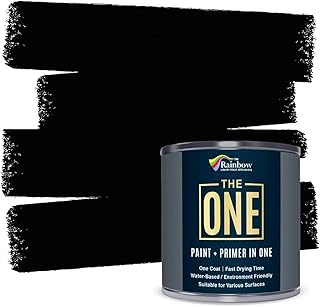
THE ONE All-In-One offers a versatile, one-coat solution for many surfaces, including walls, ceilings, floors, and furniture. It’s designed to be quick-drying with a durable, matte, satin, or gloss finish, giving great flexibility for both indoor and outdoor projects. Best for: DIYers seeking a fast, economical option that reduces steps and delivers color-rich coverage across multiple garage surfaces.
Limitation to consider: While touted as a one-coat solution, practical results depend on substrate and color; some applications may still benefit from a second coat for best opacity.
All-In-One Paint by Heirloom Traditions (Iron Gate)
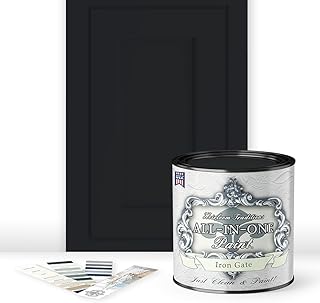
This Heirloom Traditions option emphasizes high color accuracy and minimal prep. It’s marketed as no-sanding, no-priming, and no top coat required, with a low-luster velvet sheen suitable for both interior and exterior use on a range of hard surfaces. Best for: those who want to complete a garage overhaul with vibrant color choices and a smooth finish without multiple coats of prep.
Caution: When working with any all-in-one product, some surfaces may benefit from light scuffing for better adhesion, even if the product claims it isn’t required.
SENVEN Acrylic Concrete & Garage Floor Paint

This product targets concrete surfaces directly, offering a durable, semi-gloss to satin finish with resistance to scuffing and hot tire pickup. It covers up to 120 square feet per gallon, making it a practical choice for garage floors and other concrete areas. Best for: customers prioritizing long-lasting concrete protection with a simple interior/exterior compatibility.
Limitation to consider: Not recommended for vertical surfaces or areas with hydrostatic pressure; use on properly prepared horizontal concrete only to ensure adhesion and longevity.
Buying Guide: How To Choose The Right Garage Wall Paint
- Surface type matters: Drywall and plaster walls respond best to interior wall paints with mildew resistance, while concrete or masonry requires coatings designed for porous substrates and floor-like durability.
- Finish choice affects maintenance: Flat and matte finishes hide imperfections but show dirt; eggshell and satin offer cleaner, easier maintenance in busy garages. For floors or wall-to-floor seams, consider a durable satin or semi-gloss where scuffs are common.
- Moisture resistance is key in garages: Look for mold/mildew resistance for walls facing humidity, leaks, or poor ventilation. If moisture is severe, pair with proper ventilation and potential vapor barriers.
- One-coat vs. multi-step: One-coat formulas save time but may require a perfectly prepared surface. For irregular walls or bright color changes, a primer or additional coat may improve opacity.
- Prep steps: Even with self-priming products, cleaning surfaces and addressing cracks improves adhesion and finish longevity. Light scuffing can help certain products bond better, even when not required by the manufacturer.
- Maintenance and durability: For garages with frequent traffic and tool use, prioritize abrasion resistance. Floor coatings or concrete paints provide heavier protection for garage floors, while wall paints focus on dirt resistance and washability.
Frequently Asked Questions
- What type of paint should I use on garage walls? For garage walls, a washable interior acrylic latex with mildew resistance is common. If walls are concrete, select a product designed for masonry or concrete surfaces.
- Is a primer needed for garage walls? Many products are self-priming. However, primer can improve coverage on stained or very dark walls and on rough surfaces.
- Should I use a matte or satin finish in a garage? Satin or eggshell finishes balance washability and glare, making them practical for garage walls that experience frequent contact and light reflection.
- How do I prevent mold on garage walls? Address moisture sources, ensure proper ventilation, and choose a mold/mildew resistant paint designed for damp environments.
- Can I paint over existing paint in a garage? Yes, but ensure the surface is clean, dry, and structurally sound. Certain finishes may require scuffing for better adhesion.
- Is there a budget-friendly option for multiple rooms? Look for all-in-one paints that cover large areas with fewer coats, but test on a small area first to confirm color and finish.