When choosing a varnish remover for wood, look for formulations that are effective yet safer to handle, especially if you’re working on furniture, cabinets, or decorative trim. This guide highlights five top Amazon products, with practical guidance on who each is best for, and what to expect during use. The top picks emphasize user safety, ease of use, and compatibility with common wood finishes. The buyers here range from DIY homeowners tackling small projects to professionals refinishing larger surfaces.
Below is a quick summary table of the chosen products to help you compare at a glance. The table lists the product name, its primary benefit, and the project type it’s best suited for.
| Product | Best For | Notes |
|---|---|---|
| Sunnyside 63432 2-Minute Remover Gel | Multiple paint/varnish layers on wood | Methylene chloride-free gel; safe on wood, metal, masonry |
| Max Strip Paint & Varnish Stripper 32oz | DIY to pro projects; varied coatings | No methylene chloride or NMP; time/monitoring needed |
| Smart ‘n Easy Paint & Varnish Remover Gel | DIY home projects | Water-based; citrus smell; test patch recommended |
| Sunnyside 2 Minute Remover Advanced Detailing Liquid | Detail work and smaller areas | Methylene chloride-free; fast-acting |
| Klean Strip Premium Stripper | Tough coatings on wood and masonry | Fast acting; includes protective gloves |
Sunnyside 63432 2-Minute Remover Advanced Paint & Varnish Remover Gel
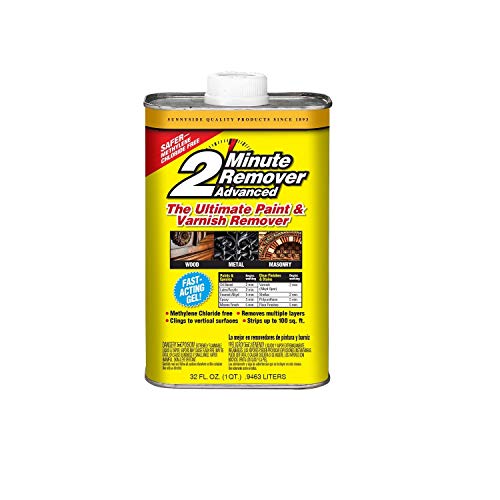
This gel-based remover targets multiple layers of paint or varnish in one application. It is safer because the formula is methylene chloride-free and suitable for vertical or horizontal surfaces without harming wood, metal, or masonry. Best for wood surfaces with stubborn finishes that require a thorough lift before refinishing. A limitation is that contact time depends on coating thickness; follow the recommended check intervals to avoid over-wetting.
Max Strip Paint & Varnish Stripper 32oz
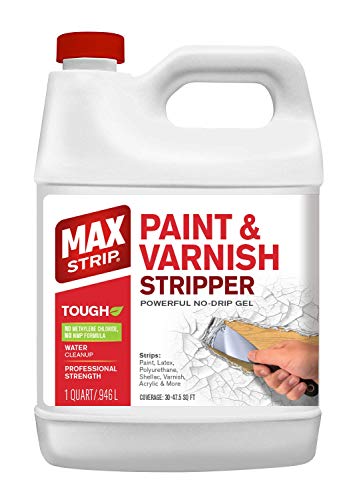
Max Strip is designed to remove paints and varnishes from multiple surfaces, including wood, metal, and masonry. It’s formulated to work without methylene chloride or NMP, and you apply it and recheck every 15 minutes. It suits projects where you want a robust stripper without harsh solvents, making it a solid choice for DIYers and contractors; timing and scraping will influence results, so plan for some patience in thicker coats.
Smart ‘n Easy Paint & Varnish Remover Gel

Smart ‘n Easy offers a water-based, caustic-free remover designed for DIY projects. It targets acrylic, latex, oil, and water-based paints and varnishes, with tests advised to ensure coating compatibility. It’s well-suited for residential jobs like refinishing wood furniture, cabinets, or doors, providing a citrus-like odor and safer handling. A potential limitation is that results can vary with paint system complexity; patch testing helps confirm effectiveness before full application.
Sunnyside 2 Minute Remover Advanced Detailing Liquid

This quarter-sized liquid remover provides a fast-acting option with the advantage of a methylene chloride-free formula. It’s best for detailing work—areas with intricate trim or small surfaces where you want effective lift with controlled use. Caution is advised regarding skin exposure and ventilation; follow label guidance for outdoor or well-ventilated indoor use. Best when you need rapid results on select spots rather than a full-room stripping job.
Paint & Varnish Remover Klean Strip Premium Stripper
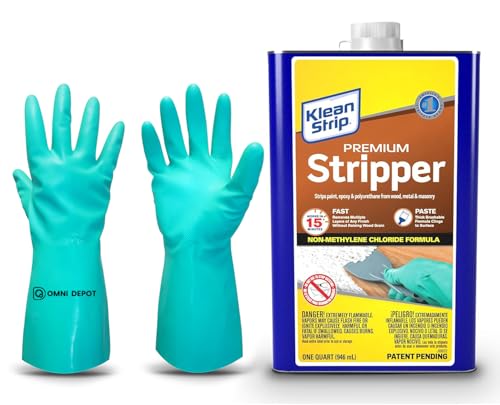
Klean Strip Premium Stripper is positioned for tougher coatings on wood, metal, and masonry. It’s fast-acting and includes protective gloves, aligning with professional or serious DIY projects that require aggressive removal without extended dwell times. However, it may be less forgiving on delicate wood species or finishes; test a small area first and follow safety guidelines for ventilation and skin protection.
Buying Guide: How To Choose The Right Varnish Remover For Wood
What finish do you need to remove? Identify whether you’re dealing with polyurethanes, shellac, lacquers, or thick old varnishes. Some formulas are designed for multiple layers, while others excel at single-application strips. Consider the coating’s thickness and age to choose a product with appropriate dwell time and strength.
Is safety a priority? Look for methylene chloride-free and alkali-free options when possible. Water-based formulas tend to be more user-friendly for indoor use and reduce harsh chemical exposure. Always follow the label for ventilation, protective gloves, and eye protection.
What surface do you work on? Most varnish removers are suitable for wood, and many are also compatible with metal and masonry. If you have carved or detailed surfaces, consider gels that cling to vertical surfaces and provide controlled lift to avoid running into cracks, corners, and joints.
How important is speed versus control? Gel-based products often offer quicker dwell times with less mess, while liquids can deliver strong performance on heavy coatings but require more careful handling and cleanup. Patch-test coatings on a hidden area to gauge compatibility and ease of removal.
What about cleanup and residue? Some products leave a clean, ready-to-refinish surface with minimal residue, which speeds up the next steps. If residual film is a concern, read the product notes or safety data to know whether a post-removal wash is recommended.
Quick Tips For Safe, Effective Use
- Test a small area first to verify coating compatibility and wood reaction.
- Work in a well-ventilated space or outdoors, especially for stronger formulas.
- Apply evenly in a thick layer, then monitor per the recommended dwell time.
- Scrape or wipe away softened finish with the appropriate tool; avoid gouging wood.
- Dispose of chemical waste according to local regulations and label instructions.
FAQ
- What is the safest varnish remover for wood?
Safer options include methylene chloride-free formulas and water-based removers designed for interior use with milder odors and less aggressive fumes.
- Can I use varnish remover on all wood types?
Most removers work on common woods, but some finishes respond differently. Always patch-test on a discrete area to avoid damage and ensure even staining results later.
- Do I need protective gloves for all removers?
Yes, wearing gloves and eye protection is advised with all chemical removers, even those labeled safer, to minimize skin contact and splashes.
- How long should I leave the remover on thick coatings?
Follow product-specific dwell times. Thicker coatings may require longer exposure or multiple applications for complete removal.
- Is gel or liquid remover better for vertical surfaces?
Gel-based removers generally perform better on vertical surfaces due to improved cling and reduced dripping, aiding controlled stripping.
- Can removal products affect the wood’s finish after stripping?
Yes. After removing varnish, you may need sanding or refinishing to restore a smooth, prepared surface for staining or painting.