Texture rollers for walls help you create decorative patterns, conceal flaws, and refresh spaces without professional help. This guide highlights five reliable options, explaining who each product suits best and why it stands out. Whether you’re updating a single accent wall or revamping furniture and ceilings, these rollers offer clean prints, easy cleanup, and practical outcomes for home DIYers.
The following quick-reference table summarizes the five selected texture rollers, their brands, and core strengths to help you compare at a glance.
| Product | Brand | Best For | Why It Stands Out |
|---|---|---|---|
| Nichiyo 7” Texture Roller (EG068T) | Nichiyo | Durable, versatile patterns on walls, furniture, and floors | High-quality rubber and negative-imprinting technique for consistent texture |
| LAVEVE Knockdown Texture Sponge (2 Pcs) | LAVEVE | Small repairs and accent textures on walls and ceilings | Simple knockdown effect with a sturdy handle and larger holes |
| Nichiyo 7” Wall Texture Roller (EG323T-A) | Nichiyo | Patterned textures for decorative projects | Durable rubber, negative imprinting, easy DIY application |
| BANCOO Texture Paint Rollers | BANCOO | Soft foam for even paint absorption on walls and ceilings | Soft foam, good water absorption, durable galvanized support |
| TOIBBE 7” Texture Paint Roller | TOIBBE | Decorative patterns with comfortable grip | Clear texture design, easy to clean and reuse |
Nichiyo 7” Texture Roller (EG068T)

Best for durable DIY projects and larger wall surfaces, this Nichiyo roller uses high-quality rubber to create negative-imprinting patterns in textures like plaster and chalk paints. It excels on walls, furniture, and floors where a refined, consistent print is desired. The roller is designed to work with texture mediums, plasters, and glazes, not quick-drying paints, making it ideal for more deliberate decorative effects. A potential limitation is that users should test texture compatibility with their chosen medium to avoid uneven prints.
Who it’s for: DIY painters seeking a robust, repeatable texture pattern for multiple surfaces. Why selected: strong material quality and versatile pattern options support long-term use across projects.
LAVEVE Knockdown Texture Sponge (2 Pcs)
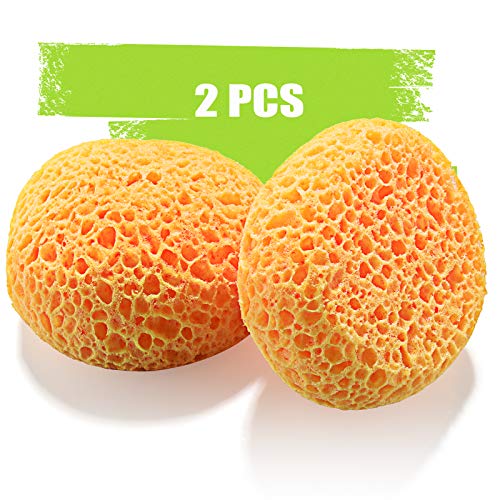
Best for small repairs and accent textures, these knockdown sponges create a decorative spray-like effect that blends well with existing textures. They work with most paints, stains, and glazes to add depth. The kit’s upgraded design includes larger holes for easier grip and more defined texture. A notable caution: results depend on applying a thick slurry or coating, so users should practice on a scrap surface first to gauge texture density.
Who it’s for: DIY enthusiasts focusing on quick, controlled texture touches. Why selected: user-friendly design and broad compatibility with common coatings make it versatile for many rooms.
Nichiyo 7” Wall Texture Roller (EG323T-A)

This roller mirrors the reliability of the first Nichiyo model with durable rubber and a focus on negative imprinting for consistent results. It is suitable for adding decorative textures on walls and furniture, providing a convenient DIY option to conceal flaws. The texture effect can vary with different paints and application methods, so plan for a few trial runs. Best for: crafters who want repeatable patterns and straightforward cleanup.
Who it’s for: DIY decorators seeking dependable texture patterns on multiple surfaces. Why selected: similar performance to the EG068T with distinct texture prints for experimentation.
BANCOO Texture Paint Rollers

Best for applications requiring softer, more absorbent material, these BANCOO rollers use a foam sponge that spreads paint evenly for cohesive textures on walls and ceilings. The galvanized anti-rust frame adds durability, especially in humid spaces. A limitation: softer foam may yield slightly less defined texture prints on very busy wall textures. Consider this for airy, light patterns where uniform coverage matters.
Who it’s for: Homeowners and hobbyists prioritizing smooth paint absorption and a durable frame. Why selected: combination of softer foam, even application, and rust-resistant support makes it suitable for frequent use.
TOIBBE 7” Texture Paint Roller

Best for decorative prints with an easy grip, the TOIBBE 7×12 inch roller features a high-quality rubber pattern that prints clear, neat designs. The thick black handle offers stable one-handed operation, making it practical for small projects or harder-to-reach areas. It’s easy to clean and reusable, which helps maintain consistent results across multiple sessions. Limitation: few texture designs in this single listing, so exploration of variations may require trying other options.
Who it’s for: Beginners and seasoned DIYers who want a straightforward tool with a comfortable grip. Why selected: strong print quality, simple maintenance, and ergonomic handling.
Buying Guide: Texture Rollers For Walls
- What to look for in texture rollers: Material quality (rubber vs. foam), imprint technique (negative imprinting tends to yield clearer patterns), roller size, and compatibility with texture mediums, plasters, glazes, or chalk-based paints.
- Texture density and pattern choice: For bold textures, choose larger, deeper patterns; for subtle decoration, select smaller, finer textures. Consider whether you’ll use walls, ceilings, or furniture to affect pattern selection.
- Ease of use and cleanup: Look for rollers with stain-resistant rubber surfaces and washable components. Rolled coatings should dry evenly and not cling to the roller for easy reuse.
- Durability and support: A sturdy frame (galvanized or reinforced) reduces deformation, especially on larger surfaces. The grip and weight affect control during long sessions.
- Compatibility with coatings: Ensure the roller works with the coating type you plan to use (texture medium, plaster, glaze, chalk-based paint). Quick-drying paints are generally not ideal for texture rollers relying on “print” patterns.
- Project planning: Test textures on scrap material or a hidden wall before applying to a visible surface. This helps adjust pattern density and technique before committing to the final look.
Frequently Asked Questions
- What is a texture roller best used for? It creates decorative patterns on walls, ceilings, and furniture by imprinting a chosen texture into a wet coating.
- Can texture rollers work with regular wall paint? Yes, but for best results, use texture mediums, plasters, or glazes designed for pattern creation and avoid overly quick-drying paints.
- Do texture rollers require a special technique? Often, a “negative” imprinting technique is used, where the pattern is printed into the surface as the roller passes through the wet material.
- Are texture rollers reusable? Most are; clean and dry them properly after use to extend life and maintain print quality.
- Which texture roller is best for beginners? Rollers with clear patterns, easy cleanup, and comfortable handles—such as TOIBBE or Nichiyo options—tend to be beginner-friendly.
- How should I choose a texture roller for a ceiling project? Look for larger patterns, sturdy frames, and rollers designed for uniform coverage to ensure even textures on overhead surfaces.