Answering the search for suspended acoustic ceiling panels, this guide showcases five top options that balance noise control, ease of installation, and durable design for American homes and small offices. Best for traditional drop ceilings are quick-install, pre-cut 2×2 tiles. Better choices include heavier-duty or decorative panels for studios, theaters, and multi-use spaces. This selection aims to help buyers pick tiles that fit standard grid systems, reduce reverberation, and stay visually appealing over time. The quick reference table below highlights key aspects of each product to compare at a glance.
| Product | Best For | Material | Size & Coverage | Notable Benefit |
|---|---|---|---|---|
| Armstrong Random Textured 2×2 Tiles (16 pc) | Standard grid installations, noise blocking | Ceiling tile composite | 2×2 ft, 16 tiles | Non-directional texture; easy replaceability |
| UMIACOUSTICS 4 Pcs Acoustic Panels | Studios, home theaters, offices | Fiberglass panels | 2″ thick; removable | High absorption; removable for flexibility |
| Arrowzoom 80 cm Gray Ceiling Panels | Media rooms, conference spaces | Dense polyester fiberboard | 80 cm (31″), panel set size varies | Effective noise reduction in larger areas |
| LooYee 24 Pcs 24×24 Black Panels | Home theaters, basements, offices | Polyester fiber | 24×24 in; 96 sq ft coverage | Non-reflective finish reduces glare |
| uDecor Petra 2×2 Tegular Tiles | Decorative drop ceilings | Mineral fiber with moisture barrier | 2×2 ft; box of 10 | Tegular edge for drop-ceiling look |
Armstrong Random Textured 2×2 Tiles (935)

Best for standard suspended ceilings in offices or homes, these 2×2 tiles install into a 15/16″ grid without glue or nails. The random texture helps diffuse sound while blending with a variety of decor. They are designed to minimize waste during installation, reducing time on larger ceiling jobs. Choose this if you want a straightforward, low-maintenance acoustic upgrade for a typical drop ceiling. Limitation: texture may appear uniform across all tiles, which might be less ideal for highly customized ceiling designs.
UMIACOUSTICS 4 Pcs Acoustic Panels

Best for flexible installations in studios, offices, or home theaters, these 2″ thick fiberglass panels absorb sound effectively and are removable for reconfiguration. They ship as four panels with hanging hardware, allowing ceiling or wall mounting as needed. Choose this if you need higher absorption per panel and the option to reposition or take panels down for maintenance. Caution: Ensure proper mounting hardware to support weight and avoid sag on large installations.
Arrowzoom Acoustic Ceiling Panels
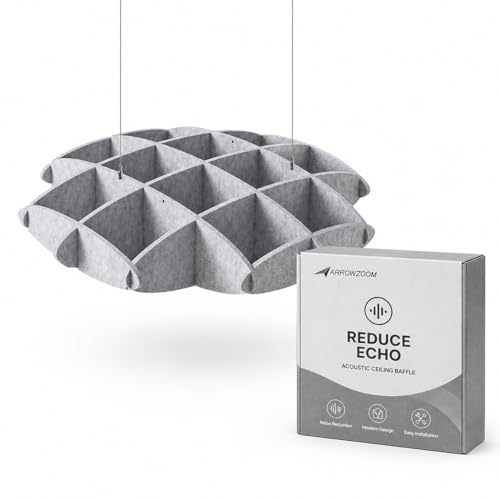
Best for media spaces and shared offices, these 80 cm gray panels are designed to attenuate overhead noise and echoes. The lightweight construction makes installation simpler in rooms with limited access, and the panels help create a cleaner listening environment for music and dialogue. Choose this if you want a larger panel footprint with strong reverberation control. Limitation: large panels may require careful cutting for edge fit in irregular ceilings.
LooYee 24 Pcs Black Panels

Best for home theaters and basements, these 24×24 inch tiles provide non-reflective surfaces that minimize glare from screens and stage lighting. The 0.36″ thickness offers solid sound absorption while maintaining a lightweight profile suitable for standard 15/16″ grids. Choose this if glare reduction is a priority and you want a cost-effective, uniform look. Limitation: black surface may show lint or dust more readily than lighter colors, requiring more frequent cleaning.
uDecor Petra 2×2 Tegular Tiles
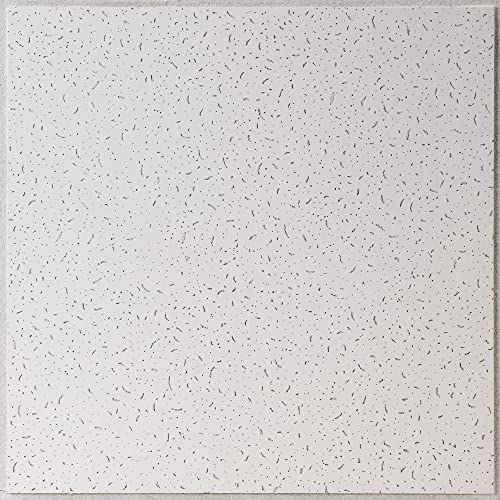
Best for decorative drop ceilings, these 2×2 Tegular tiles offer a textured look with a moisture barrier for basement or damp environments. The tegular edge produces a refined drop-ceiling appearance, giving a premium aesthetic while contributing to noise management. Choose this if you want a stylish, textured surface with practical moisture resistance. Caution: Tegular edges require careful cutting for precise fit in irregular grids.
Buying Guide: Key Considerations For Suspended Acoustic Panels
What size should you choose? Most standard grids use 15/16″ or 9/16″ systems. 2×2 and 2×4 tiles are common, balancing sound absorption and grid compatibility. If your room has high ceilings or irregular geometry, larger panels can reduce installation complexity and improve acoustic uniformity.
How do you measure absorption vs. aesthetics? Look for panel thickness, core material, and surface texture. Thicker panels (2″ or more) deliver better absorption in mid to high frequencies, beneficial in studios or home theaters. Decorative or textured surfaces improve appearance while maintaining acoustic performance.
Is moisture resistance important? In basements or damp spaces, choose panels with moisture barriers or moisture-resistant coatings to prevent mold and warping. Tegular edges add a sophisticated visual finish for drop ceilings, but require more precise cutting during installation.
Removability and maintenance? Removable fiberglass or polyester panels offer flexibility for spaces with evolving acoustics or maintenance needs. Consider how frequently you expect to reconfigure the setup or replace individual tiles.
Installation tips? Use the standard 15/16″ grid, plan for even distribution to avoid sag, and maintain uniform tile orientation to preserve a cohesive look. Non-directional textures help with consistent sound diffusion across the room.
Frequently Asked Questions
- Do acoustic ceiling tiles improve room acoustics in small spaces? Yes, they reduce reverberation and echoes by absorbing sound energy from overhead reflections.
- Can I install these tiles myself in a standard drop ceiling? Most 2×2 or 2×4 tiles are designed for easy lay-in into standard grids without special tools.
- Are moisture-resistant tiles necessary for basements? In moisture-prone areas, moisture barriers help prevent mold and warping and extend tile life.