Looking for the best sprayer to apply concrete sealer efficiently and consistently? This guide covers five top options known for durability, chemical resistance, and ease of use. The selections are ideal for professional contractors, DIY homeowners, and maintenance crews who want reliable performance on concrete sealing projects. Below you’ll find quick picks, user-friendly comparisons, and a practical buying guide to help you choose the right sprayer for your specific needs.
| Product | Capacity | Material | Best For | Notes |
|---|---|---|---|---|
| Chapin 19494 | 3.5 gal | Tri-Poxy steel | Heavy-duty contractor work | All brass components; wide mouth |
| Concrete Sprayer 2 Gallon (Sprayers Plus) | 2 gal | Brass nozzles, steel tank | Chemical-resistant sealers | Wide opening; drip tray |
| VEVOR Industrial Sprayer | 3.5 gal | Tri-Poxy stainless steel | Large jobs with mobility | Wheeled cart; two brass nozzles |
| Chapin 1352 | 3 gal | Tri-Poxy steel | Industrial and home use | Made in USA; wide mouth |
| Petratools 1 Gal Sprayer | 1 gal | Plastic/metal | Lightweight DIY tasks | 52” hose; two nozzles |
Summary: These five sprayers offer solid performance for concrete sealers, ranging from compact DIY units to heavy-duty pro-grade systems. Consider capacity, chemical compatibility, and mobility when deciding which model best fits your job size and frequency of use.
Chapin 19494 Made in USA 3.5 Gallon Tri-Poxy Sprayer

Best for: Pro contractors handling frequent concrete sealing projects. Rationale: This 3.5-gallon Tri-Poxy tank offers superior rust, corrosion, and dent resistance, ideal for sustained use with harsh sealers. The wide 4-inch mouth simplifies filling and cleaning, reducing downtime between tasks. The Tri-Lock pump ensures a secure seal during use and transport, which helps maintain consistent spray performance on job sites. Caution: Heavier to maneuver for small, single‑room jobs..
Chapin 20004 Pump Sprayer

Best for: Smaller scale lawn and garden sealant work or thinner liquids. Rationale: The 1-gallon translucent tank with a funnel-top opening supports quick, spill-free refills and easy fluid checks. Its adjustable nozzle and long reach hose improve spray control for confined areas. Caution: Not ideal for heavy-duty industrial sealers or large-area applications due to smaller capacity.
Concrete Sprayer 2 Gallon (Sprayers Plus)

Best for: Job sites requiring chemical compatibility and minimal spillage. Rationale: This 2-gallon sprayer emphasizes exceptional durability with Viton seals, a wide 5.24-inch opening, and a drip tray. It supports a range of chemicals, including form oils and water-based sealers, and its thicker tank adds extra resilience. Caution: Heavier chemicals may require more thorough cleaning to avoid residue buildup.
VEVOR Industrial Sprayer With Wheeled Cart

Best for: Large projects and mobile work crews. Rationale: The 3.5-gallon tri-poxy stainless steel tank, dual brass nozzles, and included wheeled cart enable long spray sessions with easier transport across job sites. The long wand enhances reach for decks, walls, and large slabs. Caution: Clean immediately after use to maintain peak performance and avoid chemical residues in hoses.
Chapin 1352 Made in USA 3 Gallon Sprayer
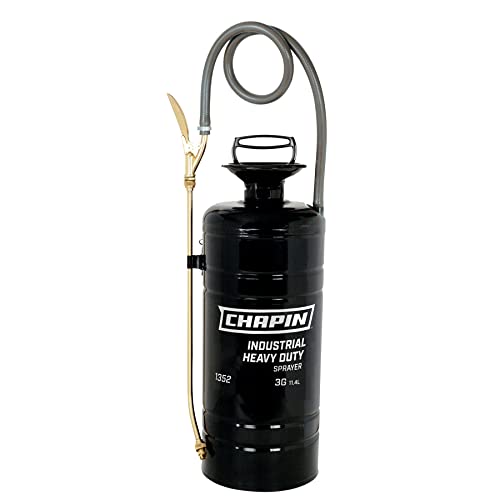
Best for: Industrial and professional-grade applications requiring reliability and domestic support. Rationale: This 3-gallon Tri-Poxy tank provides triple corrosion protection and a wide 4-inch fill opening. Made in the USA, it pairs local service with strong durability for demanding sealing tasks. Limitations: Slightly heavier than smaller units, which may affect prolonged handheld use.
Petratools 1 Gallon Sprayer – HD101

Best for: Light-duty or DIY sealant projects and green-light maintenance tasks. Rationale: The 1-gallon design is lightweight with a long 52-inch hose and two nozzles for adjustable spray patterns. The translucent tank and ergonomic handle improve ease of use for quick sealant touch-ups. Caution: May require more frequent refills on larger surfaces.
Buying Guide
What capacity do you need?
For small jobs or touch-ups, 1–2 gallons may suffice. For larger slabs or professional use, 3–3.5 gallons reduces downtime from refills. Consider whether you’ll spray extended hours or cover large areas to decide on cart models with wheels or lighter handheld units.
Which materials and seals matter?
Look for tri‑poxy or stainless steel tanks for durability against concrete sealers and solvents. Viton or brass components offer better chemical resistance. Drip trays and wide fill mouths minimize spills and cleanup time during refills.
Mobility and comfort
Wheeled carts help move heavy sprayers across job sites. Pistol grips, long wands, and ergonomic handles reduce fatigue during long spraying sessions. If you work alone, prioritize lighter units with steadier spray control.
Spray patterns and nozzle options
Adjustable nozzles provide control for fine mist vs. wide spray. Brass nozzles tend to be durable for concrete sealers, but ensure you can replace seals and components easily if needed.
Maintenance and cleaning
Choose a sprayer with easy disassembly for cleaning and seal replacement. A wide mouth or funnel top helps avoid splash, while a secure pump connection minimizes leaks during transport.
Safety features
Safety valves or relief vents reduce risk of pressure buildup. A chemical-resistant hose and leak-free seals help prevent accidental spills, especially in enclosed spaces.
Usage scenarios
For large commercial projects, a wheeled, heavy-duty sprayer (like the VEVOR or the Chapin 19494) is advantageous. For home DIY tasks, compact models (like Petratools 1 Gal) are adequate and easier to store.
FAQ
Q: What type of sprayer is best for concrete sealer? A: A sprayer with a chemical-resistant tank and nozzle, preferably brass or Viton components, and a design that reduces leakage and facilitates thorough cleaning after use.
Q: Is a larger capacity sprayer worth it for small projects? A: Not usually. Larger capacities add weight and may be unnecessary for small areas. For occasional larger tasks, a 3–3.5 gallon model can be efficient.
Q: Should I choose a wheeled sprayer? A: If you need to cover wide areas or repeatedly move across a job site, a wheeled cart reduces fatigue and increases productivity.
Q: How important is the fill opening? A: A wide fill opening minimizes spills and makes cleaning easier, which is especially helpful when working with thick sealers.
Q: Can I used a garden spray bottle for concrete sealer? A: Not recommended for large or professional jobs. Specialized sprayers deliver more consistent coverage and reduce waste and splashing.