Looking to reduce noise transmission and echo in a room with a paint-like solution? This guide highlights top soundproof paints and related coatings for walls. It’s best for homeowners, renters, and small business offices wanting a cleaner, faster option than bulky panels. Each top pick targets different needs—from high-dampening efficiency to fire retardant properties—so you can choose the right product for your space and budget.
| Product | Best For | Key Benefit |
|---|---|---|
| Acousti Coat – Sound Deadening Paint | Home theaters, meeting rooms, churches | Reduces echo and high-frequency noise in the treated area |
| GOODTAKE Multi-Purpose Soundproofing Paint | Bedrooms, home offices, apartments | Airborne noise reduction with added fire retardant |
| QuietCoat Noise Vibration Damping | Metal, plastics, and nonporous surfaces | Low-VOC; versatile for various substrates |
| Maasechs Thermal Wallpaper | Bases around light noise and thermal transfer | Self-adhesive, quick, foam insulation with sound dampening |
| ThermaCels Insulating Paint Additive | Project-wide insulation upgrades | Can mix into existing paints for insulation benefits |
Acousti Coat – Sound Deadening Paint

Acousti Coat is a thick, soft coating described as a “sound sponge” for the area it covers. It’s best for reducing echo and high-frequency reflections within a room, making it suitable for home theaters, offices, or small performance spaces. It’s important to apply at least two coats, with approximate coverage of 50 square feet per gallon per coat. This product is best for occupants who need to dampen internal noise rather than block external sound completely. Caution: one gallon may be insufficient for larger rooms without multiple coats, which increases project time and cost.
GOODTAKE Multi-Purpose Soundproofing Paint

This thick, high-density coating aims to reduce airborne noise transmission through common building materials, making it a strong option for bedrooms, home offices, and media rooms. It also claims to dampen impact noises like steps and foot traffic, which helps with apartments and shared walls. A built-in fire retardant feature adds a safety layer for interior walls. Best for those seeking dual-purpose sound dampening and fire resistance. Limitation: effectiveness depends on proper surface preparation and multiple coats, similar to traditional paints.
QuietCoat Noise Vibration Damping

QuietCoat is a sprayable, rollable polymer coating designed to dampen vibrations and reduce noise on nonporous materials such as metal, plastics, and PVC. It’s formulated with ultra-low VOCs and claims broad applicability—apply in 1 mm thick coats and achieve a typical coverage of 60-70 square feet per gallon. Best for industrial or metal-framed spaces, or scenarios requiring a versatile, low-odor solution. Caution: performance may vary on porous surfaces; consider priming for porous walls.
Maasechs Thermal Wallpaper

Maasechs offers a 5mm self-adhesive foam wallpaper designed to improve thermal insulation and provide a degree of sound dampening. It’s a peel-and-stick option that’s quick to install on smooth surfaces, including painted walls and tiles. Best for renters or DIY remodelers who want a fast, non-manding approach to reducing heat transfer and minor noise, such as in bedrooms or living rooms. Limitation: not a complete wall soundproofing solution; it adds insulation and some sound dampening, but isn’t a high-dampening paint substitute.
ThermaCels – Insulating Paint Additive
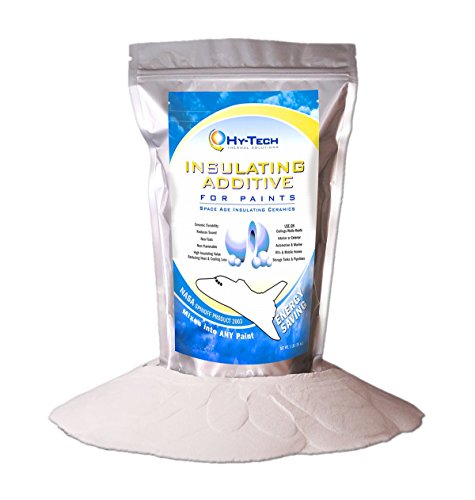
ThermaCels is an insulating paint additive that can be mixed into any paint or coating without altering its surface properties. It provides insulation benefits, helping to reduce heating and cooling losses. This is a versatile option for projects where you want to maintain existing paint while adding insulation performance. Best for larger spaces or ongoing renovations where you’re not committed to a single coating type. Caution: the additive’s impact depends on the base paint and application, so performance can vary by substrate and climate.
THE ONE All-In-One Paint & Primer

THE ONE All-In-One Paint & Primer combines paint and primer in a single coat for indoor and outdoor projects. While not a dedicated soundproofing coating, its dense pigmentation and one-coat efficiency can contribute to a more solid, less reflective surface, which helps reduce echo in small rooms when paired with other damping measures. Best for quick remodels where sound dampening is a secondary but welcome benefit. Limitation: it is not specifically engineered for sound attenuation, so expect modest improvements in sound control compared with dedicated dampening coatings.
Topnaca Acoustic Panels (Optional Add-on)

Topnaca panels offer decorative, self-adhesive acoustic treatment for walls and ceilings. They provide additional sound absorption, particularly for reflections and echoes, making them a practical complement to any of the paint-based solutions above. Best for rooms where aesthetics matter and you want visible, stylish treatment in addition to basic sound control. Caution: panels are not a substitute for heavy wall damping on shared walls; use in combination with dampening coatings where higher sound isolation is needed.
Buying Guide: Key Purchase Considerations
- Substrate compatibility: Porous vs. nonporous surfaces affect coating performance. Nonporous metals and plastics respond best to sprayable or roll-on dampening products, while porous walls may need priming or multiple coats.
- Noise type: Airborne noise (voices, TV, music) vs. impact noise (footsteps). Some coatings target one type more effectively than the other. Pair products if you need broad attenuation.
- Coating thickness and coats: Many paints require two coats or more for adequate dampening. Consider coverage per gallon and your room’s square footage when estimating quantities.
- VOC and odor: Low-VOC options are preferable for bedrooms, living rooms, or spaces with limited ventilation. If sensitive occupants are present, prioritize ultra-low or zero-VOC formulas.
- Fire safety: Some products offer built-in fire retardant features. This can be a practical safety enhancement for living spaces and offices.
- Application method: Brush, roller, or spray compatibility affects labor time and mess. Self-adhesive wallpaper and panels offer quick installs for renters.
- Aesthetics: If you want to preserve wall color and finish, choose products that dry clear or match existing hues or pair with decorative panels for a balanced look.
FAQ
- Can soundproof paint completely block noise? No, most coatings reduce echo and noise transmission but do not fully isolate sound like traditional barriers. They work best as part of a layered approach.
- Do I need professional installation? For larger rooms or complex surfaces, professional prep and coating can improve results. Smaller projects can often be DIY with proper surface prep.
- How many coats are typically required? Most dampening paints require at least two coats for optimal performance, but check product instructions for specifics.
- Are there odor concerns after painting? Most modern dampening paints are low-odor or zero-VOC, but ventilation during and after application is still recommended.
- Will these products affect the color of my walls? Some dampening coatings are tinted or may affect finish slightly; consider test patches before full application.
- Can I use these in apartments? Yes, options like low-VOC coatings and self-adhesive wall products are well-suited for apartments, especially when planning for shared walls and avoid-damage approaches.