If you’re choosing a wood stain to revitalize furniture, cabinets, doors, or trim, you’ll want options that deliver even color, low odor, and durable protection. This guide highlights five top picks, explains who each product is best for, and notes any limitations. Whether you prefer fast-drying oils, water-based formulas, or gel stains for vertical surfaces, these selections offer reliable results for American DIYers and professionals alike.
| Product | Brand | Finish Type | Best For |
|---|---|---|---|
| Varathane Premium Fast Dry Wood Stain | Varathane | Oil-based, fast-dry | Furniture, cabinets, doors |
| Wood Stain, 8.5oz/250ml (Red Cherry) | Vividye | Water-based | Indoor furniture, cabinets, trim |
| Varathane Total Control Gel Stain | Varathane | Water-based gel | Vertical surfaces, trim, doors |
| DWIL Water Based Wood Stain (Teak) | DWIL | Water-based | Indoor/outdoor furniture, decks, cabinets |
| Minwax PolyShades (Bombay Mahogany) | Minwax | Oil-based stain + polyurethane | Furniture, woodwork, cabinets |
Varathane Premium Fast Dry Wood Stain — Dark Walnut

Best for high-traffic projects where quick results matter. This interior wood stain is oil-based, designed for furniture, cabinets, doors, and trim, and claims one-coat coverage with a fast 1-hour dry time. It covers up to 70 square feet, making it suitable for small to medium refinishing jobs. The oil-based formula is ideal when you need a durable, rich color that resists wear.
Who it’s best for: DIYers tackling a quick refresh on indoor wood surfaces, especially furniture and trim where a durable, darker finish is desired. Why selected: Offers a true dark walnut tone with fast dry time and one-coat potential, simplifying small projects. Caution: Oil-based stains can have stronger fumes and require good ventilation and cleanup with mineral spirits.
Wood Stain (Red Cherry) — Water Based
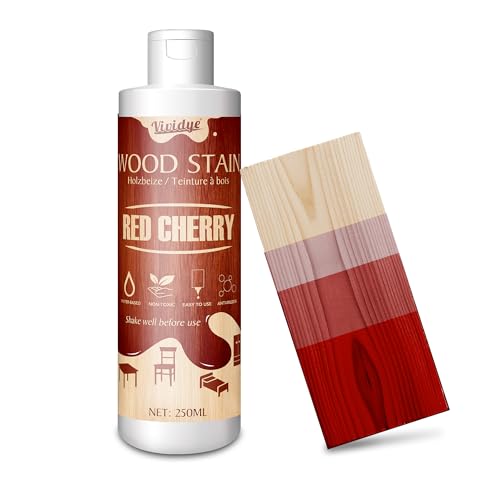
Best for indoor projects seeking low odor and easy cleanup. This water-based stain by Vividye is non-toxic and low VOC, making it suitable for kitchens, bedrooms, and other living spaces. It’s designed to provide deep, rich color penetration while preserving wood grain and texture. Quick note: color depth can vary by wood species and prep quality.
Who it’s best for: Homeowners sensitive to fumes or working in living spaces. Why selected: Combines deep color with safe indoor use and easier cleanup. Caution: May require multiple coats for very dark results or dense woods.
Varathane Total Control Gel Stain — Dark Walnut

Best for vertical surfaces and projects where control is critical. The thick gel formula reduces drips, making it ideal for doors, trim, and banisters. It’s a low-odor, water-based stain that dries quickly—about an hour—allowing swift project progression. The gel format can be less prone to staining runs on vertical areas.
Who it’s best for: Budgets time on smooth, precise applications with minimal mess. Why selected: Gel consistency helps control flow on vertical surfaces. Caution: Gel stains can feel heavier on very porous wood and may require additional coats for uniform depth.
DWIL Water Based Wood Stain — Teak

Best for versatile indoor and outdoor projects where a single-coat appearance is desired. This DWIL stain is water-based, low odor, and non-toxic, suitable for furniture, cabinets, doors, trims, and even exterior uses with proper sealing. It offers fast drying with good color penetration for a natural look.
Who it’s best for: Those seeking a practical, low-odor option for mixed-use spaces. Why selected: One-coat capability helps speed refinishing tasks. Caution: For very dark finishes, multiple coats may be needed to achieve uniform depth on dense grain.
Minwax PolyShades — Bombay Mahogany

Best for combining color and protection in one step. Minwax PolyShades mixes stain and polyurethane in a single product, ideal for furniture, woodwork, doors, and cabinets. It can be used over existing polyurethane finishes to alter color without removing the old finish. The Bombay Mahogany tone provides a rich, classic brown with satin sheen.
Who it’s best for: Projects where time is tight and you want color plus durable topcoat in one product. Why selected: Reduces finishing steps while delivering a durable satin appearance. Caution: May require careful brushing to prevent streaking on highly figured woods or thick coats.
Buying Guide: Key Considerations For Shades Of Wood Stain
- Indoor vs. outdoor use: If staining outdoor wood or furniture exposed to the elements, choose a stain formulated for exterior use or one with robust UV protection and sealant compatibility.
- Oil-based vs. water-based: Oil-based stains typically yield deeper color and longer wear but have stronger fumes and longer cleanup. Water-based stains are lower odor, quicker to dry, and easier to clean up but may require more coats for deep color.
- Vertical surfaces: Gel stains or thick formulas are ideal for vertical areas like doors and trim, as they resist dripping and provide better control.
- Color depth and wood type: Lighter woods show color differently than hardwoods with pronounced grain. Test stains on an inconspicuous area or scrap piece to preview color and penetration.
- Finish compatibility: If you already have a polyurethane or lacquer finish, PolyShades or compatible products can adapt color without stripping existing coats.
- Ventilation and safety: For oil-based products, ensure proper ventilation and use appropriate protective gear. For water-based stains, look for low-VOC options if indoor air quality is a priority.
- Coats and coverage: Some formulas advertise one-coat coverage, but darker shades or denser woods may require multiple coats for full depth. Always follow manufacturer guidance for best results.
Frequently Asked Questions
- What stain is best for indoor furniture with minimal odor?
– Water-based stains (like the Vividye option) are typically lower in odor and safer for indoor projects. - Can I switch from a dark stain to a lighter finish without stripping?
– In some cases, you can apply a lighter stain or use a proper glaze/finish, but for best results you may need to remove old finish. - Do gel stains require less time to dry?
– Gel stains dry quickly and reduce drips, making application easier on vertical surfaces, but overall dry time depends on the product and environment. - Is mixing stains with polyurethane a good idea?
– Some products like PolyShades combine stain and polyurethane in one step, which can save time. Mixing separate products is not generally recommended without following the manufacturer’s instructions. - Should I test colors on a hidden area?
– Yes. Wood species and prepped surface affect color depth. Always test in a discreet spot before full application. - Are there safety considerations for solvent-based stains?
– Yes. Ensure good ventilation, use protective gear, and follow disposal guidelines for solvents.