Self-etching metal primers are designed to bite into bare metal, aluminum, and fiberglass to create a strong adhesion base for topcoats. This guide highlights five top options, ideal for automotive restoration, DIY metal projects, and shop primers. Best for different user needs, these primers balance speed, rust protection, and ease of use. The summary table below helps compare key points at a glance.
| Product | Best For | Key Benefit | Note |
|---|---|---|---|
| Rust-Oleum 249322 Automotive Self Etching Primer | Automotive and general metal prep | Fast-drying, rust-resistant base coat | 12 oz; tops coat in 30 minutes |
| U-POL Etching Primer | Bare metals like galvanized steel and aluminum | Premium anti-rust protection | 10 oz; strong adhesion |
| Rust-Oleum Automotive Self Etching Primer Custom Spray 5-in-1 | One-step etch and prime with versatile spray patterns | Five spray patterns for control | 12 oz |
| Seymour 20-1675 PBE Professional Primer | Professional welding prep | Zinc enhanced for long-lasting protection | Gray; weld-through capability |
| SEM Black Self Etching Primer | Budget/large pack projects | Solid black etching primer option | 5.5 oz per can; 6-pack |
Rust-Oleum 249322 Automotive Self Etching Primer Spray

Best for automotive work and small repair projects, this primer works on bare metal, aluminum, and fiberglass. The Stops Rust formula offers rust resistance as a base coat for vehicles. It dries to the touch in about 10 minutes and accepts topcoating within 30 minutes. Choose this if you want a quick, rust-preventive base layer that’s easy to recoat. A limitation is its oil-based formula, which may require proper ventilation and solvent cleanup. Covers up to roughly 12 square feet.
U-POL Etching Primer, Strong-Hold

Best for bare metals such as galvanized steel, aluminum, and fiberglass, this primer is designed for maximum adhesion and anti-rust protection. It is ideal when preparing difficult substrates for topcoats after thorough cleaning and degreasing. Use this if you need robust adhesion on challenging metal surfaces. The product emphasizes preparation as essential, so proper masking and deburring improve results. It provides strong anti-corrosion protection but may require precise surface prep to achieve best outcomes.
Rust-Oleum Automotive Self Etching Primer Custom Spray 5-in-1
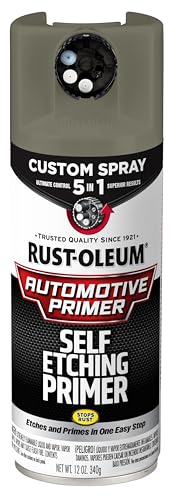
This 12 oz primer combines etching and priming in one step and features a custom dial with five spray patterns for precise control. It etches and primes the surface to create a strong base, especially helpful when working with cars, trucks, or other vehicles. Best for users who want versatility and fewer steps in the prep process. A limitation is that performance can depend on consistent technique across spray patterns, which may take practice to master.
Seymour 20-1675 PBE Professional Primer

Best for professional welding prep and metal finishing, Seymour offers a zinc-enhanced coating that protects all metal surfaces and supports continued protection even if scratched. The dry film has high pigment content, which reduces smoke and electrode wear during welding. Choose this for high-demand shop environments where weld-through capability and durable primer performance are priorities. A potential drawback is that it is specialized for welding contexts, which may be more than needed for simple non-welding projects.
SEM Black Self Etching Primer 15.5 oz

Best for larger-scale projects or bold color prep, this SEM product provides a black self-etching base that helps with topcoat adherence on bare metal surfaces. It is a cost-effective option in a larger pack scenario (six-pack), making it suitable for workshops or frequent use. The main consideration is color choice—the black base may affect the final shade of lighter topcoats if not covered adequately.
Rust-Oleum 249322-6PK Automotive Self Etching Primer

Best for bulk automotive prep or shop use, this pack includes six 12 oz cans that etch and prime in one step, with a quick-dry time to the touch. It is ideal for larger projects or fleets where consistent primer application is needed. Choose this if you need multiple cans for ongoing projects. A caution is that larger pack usage increases exposure, so ensure proper ventilation and protective gear during application.
Buying Guide
What substrate are you priming? Bare metal, aluminum, galvanized steel, and fiberglass all respond differently to self-etching primers. For bare metal or aluminum, prioritize products with strong anti-rust claims and fast recoat times. If welding is involved, consider primers designed for weld-through protection to prevent burn-through and improve adhesion.
How important is application control? Some primers offer multiple spray patterns or one-step etching and priming. If you want simplicity, a 5-in-1 or single-step product can save time, but may require careful technique to avoid splotching or uneven coverage.
What is your project scale? Small DIY repairs may benefit from a single can, while workshops or fleets might need multi-packs. Consider volume, curing times, and topcoat compatibility to plan your workflow.
Safety and preparation: Always clean and degrease surfaces before primer application. Mask off surrounding areas to avoid overspray. Work in a ventilated space and use appropriate protective gear. Sanding the surface lightly can improve adhesion, but follow product-specific guidance on surface prep.
FAQ
- Can self-etching primer be used on painted surfaces? Self-etching primers are designed for bare metal and similar substrates; paint over an existing topcoat usually requires adequate scuffing and compatibility checks.
- How long before topcoat can I apply after priming? Drying times vary by product; many primers become touch-dry in 10 minutes and topcoating in 30 minutes, but always confirm the product label.
- Is welding safe after applying these primers? Some primers are designed for weld-through applications, but verify the product’s weld-through compatibility before welding over them.
- Do I need a primer sealer after self-etching primer? It depends on the topcoat system; follow the topcoat manufacturer’s recommendations for best adhesion and durability.
- Are these primers suitable for fiberglass? Several options are formulated for fiberglass in addition to bare metal and aluminum; check the product features for substrate compatibility.
- Is ventilation important when using solvent-based primers? Yes. Use in a well-ventilated area and wear appropriate respirators or masks as required by the product label.