Looking for a satin finish that delivers a durable, smooth, factory-like look on kitchen cabinets? This guide highlights five top satin-compatible finishes and coatings, tailored for common cabinet projects. Whether you’re refinishing solid wood, plywood, or existing paint, these options help you achieve a clean, modern sheen while protecting the surface. The top picks are best for DIY designers, cabinet refinishers, and homeowners seeking long-lasting results with easy maintenance. A quick product comparison table follows to help you choose quickly.
Summary table of selected products:
| Product | Type | Best For | Key Benefit |
|---|---|---|---|
| INSL-X Cabinet Coat | Acrylic enamel paint | Refurbishing cabinets and trim | Factory-like finish with strong adhesion |
| Minwax Polycrylic (Clear Satin) | Water-based protective finish | Woodwork and cabinets | Crystal clear, non-yellowing satin sheen |
| Minwax Polycrylic (Satin, 1 qt) | Water-based protective finish | Cabinets and interior wood projects | Durable, low odor, classic satin |
| Rust-Oleum Painter’s Touch 2X | Oil-based spray paint | Spray-on cabinet components | Fast-drying, great coverage |
| Rust-Oleum Cabinet Transformations | Cabinet refinishing kit | Full cabinet overhaul | Durable, easy-clean, satin finish |
Introduction
The best satin cabinet finishes provide a durable, wipe-clean surface with a subtle sheen. This guide presents five satin-friendly options, outlining who each product is best for and why it was selected. You’ll find recommendations for DIY homeowners, weekend warriors, and renters who want a professional look without a full rebuild. Read on to compare application styles, finish clarity, and maintenance needs to identify the most suitable choice for your kitchen upgrade.
INSL-X Cabinet Coat Satin Enamel: Factory-Style Finish

Product snapshot: INSL-X Cabinet Coat is a urethane acrylic satin enamel designed to deliver an ultra-smooth, durable finish on cabinet doors, trim, and even shelving. It adheres well to hard-to-coat surfaces without requiring primer, making it a strong choice for quick cabinet updates. Best for homeowners who want a factory-like look with minimal steps and strong adhesion on previously finished surfaces.
Who it’s best for: DIY renovators seeking a high-end look with fewer coats and less prep. Why selected: stock stability and durability make it a standout for kitchen cabinets that see regular use, moisture, and cleaning products. Caution: application may require a well-ventilated space and proper surface cleaning to maximize adhesion.
Minwax Polycrylic Protective Finish, Clear Satin

Product snapshot: This water-based Polycrylic finish provides a protective top coat with a satin sheen that enhances wood grain while offering scratch and spill resistance. It’s non-yellowing and low odor, suitable for interior wood surfaces such as cabinets, furniture, and wood trim. Best for those wanting a clear, subtle satin look without color changes.
Who it’s best for: readers renovating with light wood tones or seeking a transparent layer over stains. Why selected: crystal-clear satin maintains natural wood beauty and resists yellowing over time. Caution: a few thin coats are recommended to prevent brush marks on large surfaces.
Minwax Satin Polycrylic 1 Quart

Product snapshot: This satin clear finish is designed to protect wood surfaces like cabinets while preserving the natural beauty of the wood. It forms a durable, smooth film that is non-yellowing and low odor, making it suitable for interior use on light woods such as maple or birch. Best for homeowners who want a durable satin with a classic look.
Who it’s best for: cabinet projects where a clear, even satin layer is desired over stains or bare wood. Why selected: noted for compatibility with a wide range of stains and wood types. Caution: oil-based finishes may have different cleanup requirements; ensure proper ventilation during application.
Rust-Oleum Painter’s Touch 2X Satin Spray

Product snapshot: An oil-based satin spray suitable for interior and exterior surfaces, including wood, metal, plastic, and more. It dries quickly and covers up to 12 square feet per can, offering a convenient option for painting cabinet hardware, small doors, or frames. Best for quick touch-ups and projects that benefit from spray-on ease.
Who it’s best for: DIYers who prefer spray applications for even coating or hard-to-reach areas. Why selected: versatile, fast-drying, and durable. Caution: oil-based formulas require proper ventilation and solvent cleanup; ensure compatibility with existing finishes on large cabinet surfaces.
Rust-Oleum Cabinet Transformations: Pure White
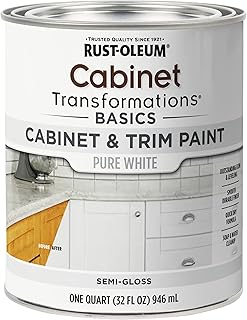
Product snapshot: This cabinet refinishing kit tones deep, pure white, delivering a smooth semi-gloss finish with easy-clean properties. The kit is designed for cabinetry and trim, with durable performance and a finish that resists dirt, grime, and household cleaning products. Best for a full cabinet refresh with a noticeable upgrade in brightness and cleanliness.
Who it’s best for: homeowners planning a cabinet makeover that covers both doors and trim in a single solution. Why selected: combines durable paint with a user-friendly process. Caution: the kit may involve multiple steps; follow the included directions for best results.
Buying Guide: Satin Finishes For Cabinets
What should you consider when choosing a satin finish for kitchen cabinets? First, identify your surface type: bare wood, stained wood, or pre-finished cabinets each respond differently to coatings. Second, assess cleanliness and moisture exposure in the kitchen; think about splashes, heat, and cleaning agents. Third, decide between brush-on or spray finishes, balancing coverage with ease of application. Finally, consider the level of durability you want and whether you prefer a clear satin look or a tinted finish that alters wood tone.
What kind of sheen fits your space?
Satin finishes offer a soft, non-glossy glow that helps hide small imperfections while remaining easy to clean. For high-traffic kitchens, aim for a durable enamel or polyurethane-based satin. For decorative or vintage cabinets, a clear satin seal or lightly tinted satin may be preferable to preserve character.
Which preparation steps matter most?
- Clean and degrease surfaces thoroughly.
- Remove hardware and sand glossy areas lightly to improve adhesion.
- Use primer only if the product requires it or if you’re changing the underlying color dramatically.
Application methods: brush, roller, or spray?
- Brush and roller applications work well for larger flat surfaces and trim, offering control over texture.
- Sprays are ideal for hard-to-reach areas and achieving an even, smooth film; equal attention to ventilation and masking is essential.
- Follow drying times between coats and avoid heavy builds that can cause cracking or sagging.
Maintenance and care
Choose a satin finish with good chemical resistance for easier cleaning. Regular dusting and a gentle wipe with mild cleaners help maintain the appearance. Avoid abrasives on satin coatings to prevent micro-scratches that dull the finish over time.
When to opt for a refinishing kit vs. a traditional paint
Refinishing kits like the Rust-Oleum Cabinet Transformations are convenient for larger cabinet refreshes with built-in steps and compatibility across doors and trim. Traditional paints or polycrylics may offer more control for detailed work or mixed materials.
FAQ
- Q: Is satin finish more durable than matte or gloss for kitchen cabinets? A: Satin provides a balanced look with good durability and easier cleaning compared to flat/matte, while not reflecting as much light as gloss.
- Q: Do I need primer for satin cabinet finishes? A: It depends on the surface and product. Some enamel and polyurethane-based satin finishes claim strong adhesion without primer on select surfaces.
- Q: Can I apply satin finishes over stained wood? A: Yes, especially with a compatible protective top coat like polycrylic to preserve color and grain.
- Q: How many coats are recommended for cabinets? A: Typically two to three coats provide durable coverage, with light sanding between coats for best adhesion and finish.
- Q: Is an oil-based satin finish better than water-based for cabinets? A: Oil-based coatings can offer longer wear in high-traffic areas, but water-based polycrylics are lower odor and easier to clean up.
- Q: Can I change the color with satin enamel? A: Yes, you can choose tinted satin enamel to achieve a different color while maintaining a satin appearance.