Find the best rubber-handle paint brushes for detail work, trim, and hard-to-reach areas. This guide highlights five top picks, explains who each is best for, and provides practical buying tips. Ideal buyers include DIY homeowners tackling cabinets or radiators, pro painters needing compact precision, and hobbyists seeking comfortable grips for extended use.
Summary of selected products:
| Product | Best For | Key Benefit |
|---|---|---|
| Wooster Brush Q3211-2 Shortcut Angle Sash, 2-Inch | Edges, trim in tight spaces | Flexible purple Shergrip handle; 2-inch precision |
| Wooster Q3211-2 Shortcut Angle Sash (Pack of 3) | Value-conscious tight-space tasks | Same grip and size in a 3-pack |
| 3 Pack 2″ Angled Brush Set, PinStone | Detail work on walls and cabinets | Synthetic bristles; precise edge lines |
| ROLLINGDOG 3″ Radiator Brush | Radiators and narrow fixtures | Wide head; mixed bristles for pickup |
| Bestt Liebco QS 2′ Short Rubber Handle | Small, hard-to-reach spots | Comfort grip; universal paint use |
Wooster Brush Q3211-2 Shortcut Angle Sash, 2-Inch

This 2-inch angle sash brush is designed for precise cuts along trim and tight corners. The flexible purple Shergrip handle improves maneuverability in cramped spaces, making it best for detail work and small projects. The white nylon and gold polyester blend bristles handle most paints well, and a brass-plated steel ferrule helps secure the brush head.
Who it’s best for: Homeowners and DIYers focusing on trim, cabinets, or edging in confined areas. Why selected: its compact size and comfortable grip support accurate application with less hand strain. Limitation: small size may require more passes on larger surfaces.
Wooster Brush Q3211-2 Shortcut Angle Sash (Pack of 3)

This listing offers three 2-inch angle sash brushes with the same compact, maneuverable grip. The triple-pack makes it practical for projects requiring multiple brushes or for sharing across a team. Material and build mirror the single-pack option, ensuring consistent performance.
Who it’s best for: Small crews or homeowners who want spare brushes on hand for rapid color changes. Why selected: identical performance across three units, simplifying stock management. Limitation: bulk purchase may be more than needed for single-room projects.
3 Pack 2″ Angled Brush Set, PinStone

These 2-inch angled brushes come with synthetic bristles and a rubber grip for comfort. They’re designed for clean, crisp edge lines and work with all paints and stains. The set includes a stainless steel ferrule to secure the brush head, and each brush is sized at about 6.5 inches long.
Who it’s best for: Detail-oriented painters who want consistent edge control and easy cleanup. Why selected: the synthetic bristles deliver a smooth finish with reduced brush marks. Limitation: synthetic bristles may feel stiffer with heavy oil-based paints for some users.
ROLLINGDOG 3 Inch Radiator Brush

This 3-inch wide brush is built for radiators, pipes, and other tight spaces. It combines a premium blend of 30% white hog bristles with 70% fine-tipped synthetic filaments for good paint pickup and smooth release. The stainless steel ferrule adds durability and a secure head-to-handle connection.
Who it’s best for: Professionals or DIYers painting radiators or narrow wall sections where speed matters. Why selected: wide head reduces stroke counts while delivering even coverage. Limitation: wider head may not fit very narrow slots or corners.
Bestt Liebco QS 2′ Short Rubber Handle
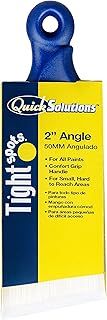
This short rubber-handle brush by Bestt Liebco is suited for small, hard-to-reach areas. It supports use with all paints and stains and offers a comfortable grip to reduce fatigue during precise applications. It is a compact tool designed for detail work and tight corners.
Who it’s best for: Users needing precise control in cramped spaces, such as window frames or trim gaps. Why selected: the rubber handle emphasizes grip comfort and control. Limitation: limited details on bristle composition may affect performance with some finishes.
Buying Guide
What to look for in a rubber-handle paint brush
Key factors include brush head size, bristle material, ferrule construction, and handle comfort. For tight spaces, a short, angled brush improves edge control. Synthetic bristles offer easy cleanup and consistent results with most paints, while natural bristles excel with oils and stains in certain applications.
Which brush is best for edges and trim?
Smaller, angled brushes (2 inches or less) with a comfortable grip are typically best. They let you trace trim lines and reach corners without overloading paint. Consider brushes with a flexible grip like the purple Shergrip for reduced hand fatigue.
When to choose a multi-pack?
Multi-packs are cost-effective for projects that require multiple brushes or for teams sharing tools. They also provide ready replacements to maintain consistent results across rooms and days of work.
Should you choose a wide brush for radiators?
Yes, a 3-inch wide brush can cover radiator surfaces faster, but verify it can fit the radiator’s profile. A premium bristle blend helps reduce brush marks and improve paint pickup in narrow gaps.
How important is the ferrule and handle?
A sturdy stainless steel ferrule prevents head loosening over time. A comfortable rubber handle can reduce grip fatigue during extended sessions, which is valuable for detailed interior painting tasks.
Practical tips for maintenance
- Rinse brushes promptly after use, then reshape the bristles and air dry.
- Avoid soaking brushes for long periods to prevent bristle damage.
- Store brushes with bristles off the ground to preserve shape.
FAQ
- What is the main advantage of a short rubber-handle brush?
It provides better control and comfort for tight spaces and precise edging. - Are synthetic bristles better than natural bristles for all paints?
Synthetic bristles work well with most paints and are easier to clean; natural bristles suit some oil-based finishes but require more maintenance. - Which brush should I choose for radiators?
A wider head (3 inches) with a durable ferrule is typically best for faster coverage on radiators. - Can I use these brushes for staining and varnishing?
Yes, but check bristle compatibility; some sets are optimized for paints and stains alike. - Is a pack of brushes more economical than buying individually?
Generally, yes, especially if you need multiple brushes for a project or for sharing among workers. - Do rubber-handle brushes affect paint finish quality?
Not inherently; they influence control and comfort, which can help achieve cleaner edges and fewer mistakes.