Looking for the best roller nap for drywall compound? This guide highlights five top options that help you apply joint compound evenly on taped seams and corners. Ideal buyers: homeowners tackling DIY patchwork, professional remodelers seeking faster coverage, and texture enthusiasts needing reliable, shed-resistant rollers. Below, find quick-fit choices, why they stand out, and practical buying tips.
| Product | Best For | Why It Stands Out |
|---|---|---|
| LEVEL5 9″ Drywall Compound Roller | Pro DIYers; large areas | 50% more compound capacity; ergonomic grip |
| HUROOWL 9″ Drywall Roller Covers | All-around projects | Non-shedding nylon; universal fit |
| PinStone 4 Pack Corner Roller Kit | Corners and edges | 3 covers + 2″ frame; extendable option |
| Leumoi 18″ Microfiber Covers (12 Pack) | Large area walls | High absorption; lint-free |
| ROLLINGDOG 9″ Drywall Compound Roller | Even spread; texture work | Durable nap; good for uniform coats |
The selections below explain each product’s best use, what makes them effective for drywall compound, and any practical caveats to consider before purchase.
LEVEL5 9″ Drywall Compound Roller
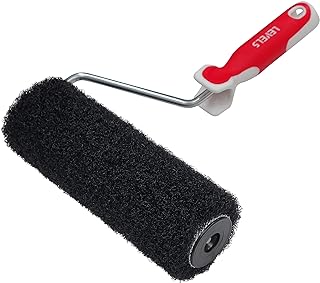
This high-performance 9-inch roller is designed for rapid coverage of walls and ceilings with drywall compound. The ½-inch nap can handle taped seams before final skim coating, making it a strong choice for fast finish work. Best for professional DIY projects where speed matters and large areas require even paste distribution.
Best for: contractors and serious DIYers needing quick, consistent compound application. Why selected: large coverage area and ergonomic, slip-resistant handle support long sessions. Caution: the ½-inch nap may leave deeper texture if overbuilt in tight areas—use light pressure on trim or corners.
HUROOWL 9 Inch Drywall Roller Covers

These 1/2-inch nap nylon roller covers are designed to give a smooth, lint-free finish with minimal shedding. They fit standard 9-inch frames and work well for joint compound, patching, and light texturing projects. Best for: renovators who want reliable performance with low fiber fallout.
Best for: versatile wall and ceiling work with consistent application. Why selected: durable, non-shedding material with straightforward installation. Caution: nylon fibers can wear faster with extremely rough textures; monitor for any visible fibers in the finish.
PinStone Corner Compound Roller Kit (4 Pack)

This kit focuses on corners and edges, including three 1/2-inch nap corner rollers and a 2-inch threaded frame. It’s ideal for spreading drywall mud around tight corners with minimal drips. Best for: corner detailing and edge work in patch or renovation jobs.
Best for: projects requiring careful corner coverage. Why selected: dedicated corner rollers provide uniform mud distribution at angles where flat rollers struggle. Caution: the extension option adds length; ensure your setup fits ceiling or high-wall work without tipping.
Leumoi 18 Inch Microfiber Roller Covers (12 Pack)

A bulk set of 18-inch microfiber covers designed for large painting tasks, adaptable to drywall work that requires broad, even coating. The microfiber absorbs paint or compound well, reducing lap marks and easing long-running areas. Best for: big walls and ceilings where speed and coverage balance with finish quality.
Best for: high-volume application with minimal lint. Why selected: the large size reduces reloading time; lint-free performance helps achieve a smoother finish. Caution: these covers are not specialized for highly textured surfaces; select a different nap for rough walls.
ROLLINGDOG 9″ Drywall Compound Roller

This 9-inch roller is designed for spreading drywall compound evenly across large surfaces. The synthetic nap resists wear, maintaining shape across multiple uses. Best for: users needing durable rollers that hold up under repeated mud application.
Best for: steady, uniform coats on broad walls. Why selected: strong nap designed to minimize drips and ensure a consistent thickness. Caution: avoid using in very tight corners where a corner roller would perform better.
Buying Guide
What nap length should you choose? For joint compound and taped seams, a 1/2-inch nap is common, balancing coverage with control. Larger naps can apply more mud quickly but may increase splatter and require careful technique. Consider your wall texture: smoother surfaces benefit from denser naps, while lightly textured walls can tolerate medium to longer naps.
Which tool is best for corners? Corner rollers or a 2-inch frame with a pinned corner cover helps deliver precise mud into edge joints without ridge buildup. If you frequently work along ceilings or tall walls, an extendable frame can reduce ladder usage and strain.
Durability matters for longer projects. Look for shed-resistant nylon or microfiber to minimize fibers in the finish. Frames should be rust-resistant if exposure to moisture is expected, and compatibility with standard 9-inch frames ensures easy swapping between covers.
Ease of cleaning and reusability is another consideration. Non-shedding materials save cleanup time and provide more predictable results across multiple coats. For large surfaces, larger covers (12–18 inches) can accelerate application, but require broader technique control to avoid roll lines.
Project type guide:
– Large walls and ceilings: 9″ to 18″ covers for quick, even spread.
– Corner work: dedicated corner rollers improve accuracy and reduce patching.
– Patching and small repairs: 9″ general-purpose covers with good shedding resistance keep patches neat.
Frequently Asked Questions
- What nap length is best for drywall compound? A 1/2-inch nap is common for joint compound to balance coverage and control, though larger naps can speed up big areas.
- Can I reuse drywall compound rollers? Yes, but clean thoroughly after each use to prolong nap life and prevent residue transfer.
- Are nylon roller covers better than foam for joint compound? Nylon covers are durable and shed-resistant, often preferred for mud work; foam is softer and may apply finer coats on small patches.
- Should I use a corner roller for all edges? Corner rollers excel at edges; for flat walls, a standard 9″ roller often suffices.
- Do extended-frame rollers help finish faster? They reduce ladder work and can speed up high-wall jobs, but ensure stability on ladders or scaffolds.
- Is a bulk pack worth it for DIYers? Bulk packs reduce replacement frequency for frequent projects and provide consistent coverage across rooms.