For painters seeking better flow, longer open time, and richer glazes, refined linseed oil is a core medium. This guide highlights five compatible options, outlining who each is best for and why. Use the right oil to adjust drying time, gloss, and transparency without altering color tones. The top picks below are suitable for oil painters ranging from beginners to professionals and cover various bottle sizes for studio use, travel, or heavy glazing work.
| Product | Brand | Size | Best For |
|---|---|---|---|
| Winsor & Newton Refined Linseed Oil | Winsor & Newton | 75 ml | Fine detail blending and slow drying for glazing |
| Gamblin Refined Linseed | Gamblin | 16 oz | Moderate thinning with clean, pure oil for studio work |
| KOVIEDE Premium Refined Linseed Oil | KOVIEDE | 270 ml | Fluid flow, gloss, and extended open time for smooth brushwork |
| U.S. Art Supply Refined Linseed Oil | U.S. Art Supply | 500 ml | Bulk supply for ongoing painting sessions and mediums |
| Nicpro Refined Linseed Oil | Nicpro | 1000 ml | Economical option for glazing and extended blending |
Winsor & Newton Refined Linseed Oil, 75ml

Best for artists who want a compact bottle for on‑the‑go studios or travel setups. This refined linseed oil is widely used to slow drying and improve color consistency when added to other oils. It’s a reliable starter medium for glazing layers and smooth transitions. Use in moderation to avoid overly slow drying, which can affect schedule planning for large works.
Who this is for: beginners needing a trusted, easy-to-handle oil or small-studio painters who prefer a familiar brand. Limitation: smaller bottle means more frequent restocking for heavy use.
Gamblin Refined Linseed 16 Oz
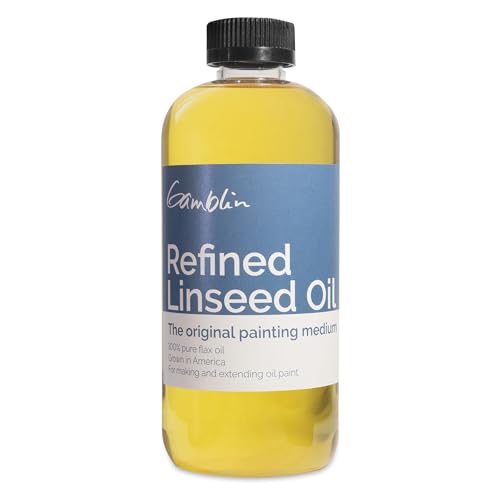
Better for studio work due to its larger size, this refined linseed oil is pressed from American flax seeds and is known for its light, clean profile. It’s suitable for thinning oil colors and improving flow without introducing color shifts. Choose this if you want a dependable medium that stays consistent during longer painting sessions.
Best for: artists who need a larger volume for ongoing projects and value purity. Caution: moderate thinning is recommended to maintain drying control over glazing layers.
KOVIEDE Premium Refined Linseed Oil

Best for painters seeking exceptionally clear medium with enhanced flow and extended open time. Koviede’s oil is refined to remove impurities and waxes, delivering vibrant color depth and smoother brushwork. It’s ideal for wet-on-wet and glazing techniques where precise blending matters.
Who this is for: intermediate to advanced painters focusing on luminous transitions. Limitation: higher price point may deter casual hobbyists.
U.S. Art Supply Refined Linseed Oil, 500ml

Best for artists who want a common, widely available medium in a substantial bottle. This refined linseed oil is described as a standard addition to oils for thinning and improving gloss and flow. It’s useful for traditional painting mediums and as a paint binder component when blending pigments with oil-based bases.
Best for long-running studios or larger canvases where consistent supply is essential. Limitation: product descriptions emphasize moderation to slow drying; overuse can extend open time too much for fast-paced sessions.
Nicpro Refined Linseed Oil for Painting

Best for those who want a cost-effective, high-volume option suitable for glazing and extended blending. Nicpro offers refined linseed oil from 100% flaxseed with emphasis on smoother flow and longer open time, facilitating refined brushwork and subtle transitions.
Choose this if you need an economical supply for continuous projects. Caution: very large bottle requires careful storage to prevent degradation over time.
Buying Guide: How to Choose Refined Linseed Oil
- Open time and drying: If you need longer blending periods, select a refined linseed oil noted for extended open time. For quicker layers, a modest slowdown is sufficient.
- Gloss and transparency: Oils with higher gloss enhance color depth and transparency. Consider bottle claims about gloss and flow when glazing.
- Purity and impurities: Refined oils with minimal waxes and impurities deliver truer color and better flow. Look for products marketed as highly refined or chemically cleaned.
- Volume and cost: For ongoing studios, larger bottles reduce restocking, but store properly to maintain quality. Smaller bottles are convenient for travel or trial use.
- Compatibility with other mediums: Some oils mix more predictably with traditional mediums; others are marketed as general thinning agents. Check if the product is intended for thinning only or as part of a medium.
- Brand consistency: Reputable brands often provide more consistent results and predictable behavior across batches.
Frequently Asked Questions
- What is refined linseed oil used for in painting?
– It slows drying, improves flow, and increases gloss and transparency when mixed with oil colors or used in painting mediums. - Can refined linseed oil change the color of my painting?
– It is designed to be neutral, but high purity reduces the risk of color shifts compared to less refined oils. - How should I store refined linseed oil?
– Store in a cool, stable location away from direct heat and light, and keep the cap tightly closed to prevent oxidation. - Is more oil always better for glazing?
– No. Excessive thinning can weaken the paint film and extend drying time beyond what you need for the technique. - Which bottle size is best for beginners?
– A smaller bottle offers cost efficiency and easier handling while learning ratios and open time. - Can I use refined linseed oil with all oil colors?
– It generally blends well with most oil colors, but test on a small area to confirm flow and drying behavior with your specific pigments.