Answering the question for shoppers seeking red oak gel stain: gel stains offer thicker consistency, easier control, and less dripping on vertical surfaces. This guide highlights five well-suited products for interior wood, furniture, and trim, with advice on best use cases, limitations, and practical buying factors.
The following table summarizes the featured products to help you compare at a glance.
| Product | Best For | Notes |
|---|---|---|
| Varathane Total Control Gel Stain | Vertical surfaces and indoor projects | Low odor, quick dry; great for doors, trim, banisters |
| Minwax Wood Finish 221504444, Red Oak Stain | Fast-drying interior staining | Oil-based; deep color in one coat, easy wipe-on format |
| Minwax Gel Stain for Interior Wood Surfaces, Aged Oak | Thin-to-thick color control on wood and non-wood surfaces | Non-drip gel; good for vertical applications |
| Varathane Premium Wood Stain, Red Oak | Natural color with deep penetration | Soya oil-based formula; fast setup |
| DWIL Water Based Wood Stain, Red Cherry | One-coat horizontal or vertical projects | Low odor; fast-drying and safe for indoor use |
Varathane Total Control Gel Stain

Key features: thick, no-drip formula; low-odor water-based gel stain; fast dry time to finish in about 1 hour on wood. Best for indoor projects where control on vertical or horizontal surfaces matters. The product’s gel texture helps reduce runs on trim, doors, and mitered edges, and its low odor makes it suitable for enclosed spaces. Best for those seeking a low-mess staining experience.
- Best for: vertical surfaces such as doors and banisters; indoor furniture projects.
- Why selected: thick gel adheres well to uneven grain without dripping, yet dries quickly for efficient completion.
- Caution: despite low odor, ensure good ventilation for prolonged use and test color on a small area first.
Minwax Wood Finish 221504444, Red Oak Stain

Key features: rich, deep color with one-coat capability; oil-based formula that penetrates wood pores; quick drying to about two hours. This option is well-suited for interior staining of furniture, cabinets, doors, and trim, with straightforward application using a cloth or brush. It enhances natural grain with a classic red oak tone.
- Best for: projects requiring deeper, classic redness in oak with simple application.
- Why selected: fast initial penetration, good color depth in fewer coats.
- Caution: oil-based stains may raise wood grain; plan for light sanding between coats if applying multiple layers.
Minwax Gel Stain for Interior Wood Surfaces, Aged Oak

Key features: gel stain designed for controlled application; non-drip formula suitable for vertical surfaces; delivers even color on wood and some non-wood surfaces with proper pre-treatment. Best for projects needing more color control, such as cabinetry, molding, and paneling. Pre-treat bare wood to ensure uniform results.
- Best for: detailed work where color precision matters, including furniture edging and cabinetry.
- Why selected: thickness helps maintain color where brushing or wiping may cause runs.
- Caution: for non-wood surfaces, test compatibility in a hidden spot before full application.
Varathane 211723H Premium Wood Stain, Red Oak
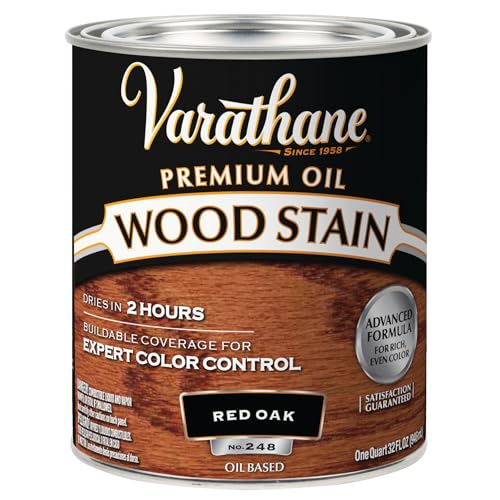
Key features: soya oil-based formula for deeper penetration and truer colors; dries to the touch in 1-2 hours; covers up to 150 sq. ft. This stain is strong for interior wood furniture, doors, trim, and floors where natural wood warmth is desired. The product emphasizes rich, authentic red oak tones with reliable penetration.
- Best for: larger interior wood projects where a deeper, natural look is desired.
- Why selected: balanced penetration and color fidelity across surfaces.
- Caution: ensure adequate ventilation when applying oil-based stains indoors and allow full cure before heavy use.
Minwax Wood Finish Stain Marker for Touch Ups, Red Oak

Key features: easy touch-up marker for nicks and scratches; versatile for furniture, molding, cabinets, doors, and floors; fast drying. Best for maintenance and minor repairs, or adding decorative accents to larger projects. Helps maintain uniform color after wear or damage without refinishing a whole piece.
- Best for: quick repairs and small touch-ups on oak surfaces.
- Why selected: convenient pen format reduces time and mess for minor fixes.
- Caution: color match may vary with age and wood tone; test on scrap before use.
Old Masters 80208 Gel Stain, Golden Oak

Key features: pint-sized gel stain in Golden Oak; product widely used for painting supplies. Gel stain is designed to offer smoother application with less dripping on vertical surfaces, particularly on interior wood projects. Best for small to medium DIY tasks where a warm oak tone is desired.
- Best for: interior wood staining with a traditional oak tint.
- Why selected: gel formula helps reduce drips on vertical applications.
- Caution: verify color hue against your wood species, as oak tones can shift with substrate.
DecoArt Americana Gel Stains, Oak
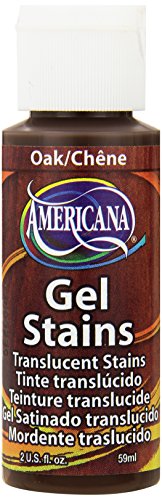
Key features: thick, creamy gel stain that eliminates heavy fumes from oil-based products; non-toxic. This option is suitable for craft projects and small furniture work where a softer, non-oil finish is preferred. It offers a more forgiving application for beginners.
- Best for: craft projects and indoor decorative pieces where low odor is beneficial.
- Why selected: non-toxic formula reduces inhalation concerns and cleanup complexity.
- Caution: color depth may appear lighter on pine or softwoods; test before broader use.
DWIL Water Based Wood Stain, Red Cherry

Key features: single-coat coverage with a natural matte finish; fast-drying and safe for indoor and outdoor use; low odor and non-toxic. This stain is versatile for furniture, cabinets, trims, and paneling. It emphasizes ease of use in one coat, which can be advantageous for larger projects.
- Best for: quick, uniform color with minimal layering on various wood types.
- Why selected: one-coat promise reduces time-to-finish and simplifies workflows.
- Caution: one coat may not provide as deep color as multiple coats; consider test swatches before larger work.
Buying Guide: Red Oak Gel Stain Essentials
What makes gel stain different?
Gel stains are thicker than traditional liquid stains, which reduces dripping and helps maintain color on vertical surfaces. They offer more control, smoother application, and can be less likely to bleed into gaps or grain.
How to choose by project type
- Interior furniture and trim: look for deeper color saturation and ease of application. Gel stains or premium oil-based stains can deliver rich oak tones with few coats.
- Doors and banisters: prioritize non-drip or thick gel formulas to prevent runs on vertical surfaces.
- Cabinets and molding: consider color control and evenness; gel stains help minimize blotchiness on softwoods with proper prep.
Prep and application tips
- Test color on a hidden wood sample to verify hue and coverage before large areas.
- Prepare the surface by sanding smooth and removing dust; wood conditioner may improve color uniformity on some species.
- Apply in the direction of the grain and wipe excess according to product instructions; allow adequate drying time between coats if layering.
Finish and durability considerations
- Oil-based finishes typically require longer open times but can deepen color; ensure proper ventilation.
- Water-based gels usually dry faster and have lower odor, but color depth might be less intense than oil-based options.
- Topcoats like polyurethane or polycrylic sealing may be advised after staining, depending on the project use and desired durability.
Practical decision shortcuts
- Choose this if you need fast results and minimal odor: pick water-based gel stains with a thick consistency for vertical surfaces.
- Avoid this if you require very deep, oil-penetrated color in a single coat: oil-based stains or highly pigmented gels may be better.
- Prefer easy touch-ups in the future? A gel stain with good color control and a non-drip formula can simplify maintenance.
FAQ
- What is the difference between gel stain and regular stain?
Gel stains are thicker and less prone to dripping, especially on vertical surfaces, while regular stains are thinner and may require more careful brushing or wiping. - Can I use gel stain on metal or fiberglass?
Some products claim versatility for non-wood surfaces, but always confirm the manufacturer’s guidance and test on a small area. - How long does red oak gel stain take to dry?
Dry times vary by formula; many gel stains dry within 1-2 hours to touch, with full cure over 24 hours depending on climate. - Should I seal gel stained wood?
Sealants are often recommended to protect color and durability, especially for high-traffic furniture or cabinetry. - Is oil-based stain better for color depth than water-based?
Oil-based stains often provide richer color depth, but water-based gels offer lower odor and easier cleanup; color depth also depends on wood and number of coats. - How do I choose the right red oak shade?
Compare hue samples on similar wood types and consider lighting in the room to prevent color surprises.