Answering the question “putty for electrical boxes,” this guide profiles moldable putty pads and fire/ soundstop solutions that seal walls, sockets, and electrical boxes. Best choices fit for homeowners renovating, contractors wiring, or anyone installing firestop or soundproofing around electrical openings. Top picks emphasize ease of use, strong adhesion, and reliable fire ratings. The table below highlights five products that balance performance with practical application for various spaces.
| Product | Best For | Key Advantage | Typical Use |
|---|---|---|---|
| ABOAT T Fire Putty Electrical Pads | General electrical boxes, walls, and water supply openings | Disposable gloves included; strong adhesion | Fire/smoke barrier and air seal |
| Amylove Fire Putty Pads (Red, 25 Pcs) | Multiple openings; shared usage at home or office | Moldable; high-temperature viscosity | Fire barrier and sound/gas/water containment |
| Resilient Construction Acoustic Outlet Putty Pads | Soundproofing around gang boxes and switches | Large 7″x7″ coverage; peel-and-stick | Noise reduction and airtight sealing |
| Rectorseal Metacaulk Putty Pads 66340 | Metal electrical cabinets and through penetrations | Up to 3 hours fire rating; non-asbestos | Firestop and acoustical sealing |
| 3M Fire Barrier Moldable Putty Pads (MPP+) | Electrical box protection and wall openings | Ready-to-use intumescent; UL/ULC tested | Draft and cold smoke seal |
ABOAT T Fire Putty Electrical Pads

Best for: DIYers seeking a simple, glove-included solution for sealing electrical boxes and wall openings. Why selected: includes disposable gloves, 3 mm thick putty pads, and 7-1/2″ square coverage for quick application around sockets and boxes. The putty adheres to concrete, metal, and brick, offering reliable fire and air-sealing properties. Limitations: glue-like adhesion may require pressing firmly to ensure a complete seal on uneven surfaces.
Amylove Fire Putty Pads (Red, 10 Pcs)

Best for: Homeowners tackling multiple openings with a budget-friendly option. Why selected: comes in a pack of 10 pads, moldable to fit irregular gaps, and designed to block flames, sound, gas, and water from spreading through openings. Caution: high-temperature extrusion can form bubbles during hot weather, but cooling resolves gaps without impacting performance.
Acoustic Outlet Putty Pads – 7×7 (Resilient Construction)

Best for: Spaces needing noticeable noise reduction around electrical boxes and switches. Why selected: large 7″x7″ panels fit common gang boxes, with peel-and-stick installation simplifying retrofits. Limitation: while effective for sound dampening, it may not provide the same fire rating as dedicated intumescent putties in highly fire-rated assemblies.
Rectorseal Metacaulk Firestop Putty Pads 66340

Best for: Professionals needing certified firestop solutions for metal cabinets and tool through-penetrations. Why selected: rated up to 3 hours in standard fire tests, with a low-profile 1/8″ thickness for tighter spaces. Caution: ensure compatibility with surrounding plastics and metals to avoid softening or migration in extreme conditions.
3M Fire Barrier Putty Pads MPP+ (Red)
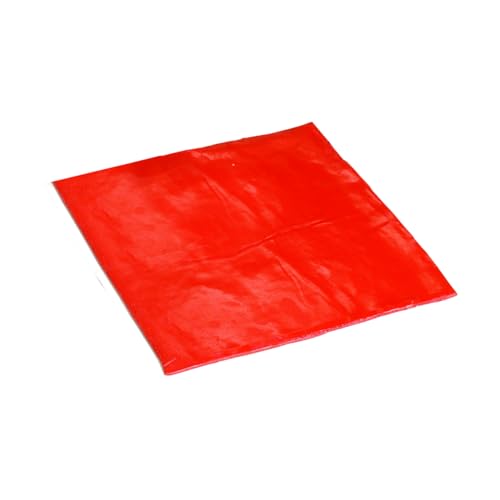
Best for: Jobs requiring ready-to-use, intumescent firestop around electrical boxes and wall openings. Why selected: 3M’s MPP+ is a one-part pad that expands with heat to maintain a seal, aiding draft and sound reduction. Limitation: rely on proper seating and coverage; gaps reduce effectiveness in high-heat environments.
IDEAL Duct Seal Putty (31-601)

Best for: Sealing junction boxes and penetrations with a durable, soft finish that remains pliable. Why selected: provides an air/moisture barrier around electrical components and is non-corrosive to metals. Caution: may be less heat-resistant than dedicated firestop pads in high-temperature areas.
LalaKoo Electrical Putty Pads
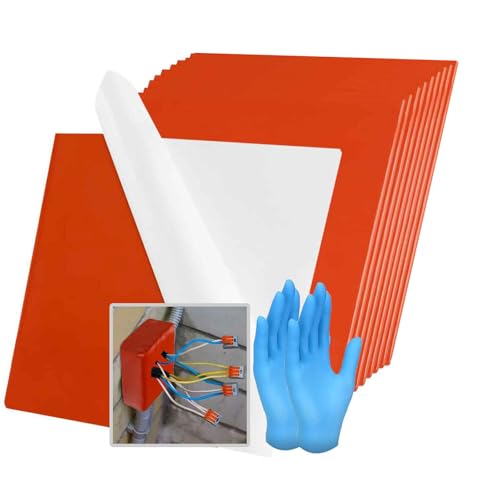
Best for: Budget-conscious projects needing flexible, easy-to-shape putty. Why selected: naturally soft, sticky, and non-toxic, with simple hand-application. Limitation: some users report variation in stickiness over long storage or extreme temperatures, which can affect initial seal quality.
Buying Guide
What to consider when choosing putty for electrical boxes:
- Fire rating: Look for pads with explicit fire-stop ratings (hours, tested standards) appropriate to the installation.
- Adhesion and substrate compatibility: Ensure the putty adheres to metal, brick, concrete, and plastic surfaces present in your project.
- Ease of installation: Peel-and-stick and hand-moldable options reduce tools and time on site.
- Thickness and area coverage: Larger 7″x7″ pads cover more area; thinner options fit tighter spaces.
- Sound attenuation: If noise reduction is a priority, prioritize products marketed for acoustic sealing.
- Curing and temperature behavior: Some putties bubble under high heat; consider weather conditions and exposure.
FAQ
- What is the primary purpose of putty in electrical boxes?
It seals gaps to block flames, smoke, air, and noise from penetrating through penetrations and openings. - Can these putty pads be used on metal and non-metal boxes?
Yes, most products advertise adhesion to both metal and non-metal substrates. - Do all putty pads require curing time?
Many are ready-to-use or moldable without curing; some expand with heat for firestop. - Is fire rating necessary for residential installations?
It depends on local codes and the specific location within the building; consult code guidance for penetrations. - Are these putty pads safe around electrical wiring?
They are designed to be non-corrosive and non-conductive, but always follow manufacturer instructions.