Answering the question of how to refresh an exterior door starts with choosing the right primer and paint. This guide highlights five reliable primers and door/trim paints that work well on metal, wood, and fiberglass doors. Each pick is suited for different door styles and climates, from bold solid colors to simple white updates. The buyer personas below help identify who benefits most from each option.
Summary of chosen products:
| Product | Best For | Main Benefit | Mentioned Limitation |
|---|---|---|---|
| Rust-Oleum Advanced Dry Door & Trim Paint (White) | Homeowners seeking fast-drying, low-odor finish | Dries to touch in 45 minutes; up to 3X faster than oil-based | Water-based; may require touch-ups in extreme weather |
| Rust-Oleum Advanced Dry Door & Trim Paint (Black) | Bold, classic doors needing durable color | Same quick-dry, low-odor formula; durable finish | Black shows imperfections more readily |
| Glidden Interior/Exterior Stain Block Primer | Glossy or stained surfaces needing strong adhesion | Adheres to glossy surfaces and blocks stains | One-gallon size may require multiple coats for full coverage |
| Zinsser Smart Prime | Glossy, tricky surfaces | Stain-blocking resins; mold/mildew resistance in dried film | Specific use on certain substrates; follow dry-time guidelines |
| EVOLVE Paint & Primer in One (Ultimate White) | Projects needing all-in-one efficiency | One-step priming and finishing; multiple sheens | Some users prefer separate primer for very challenging surfaces |
Rust-Oleum Advanced Dry Door & Trim Paint – White

Best for doors that need a quick, clean white finish with low odor. This water-based formula is suitable for exterior metal, wood, and fiberglass doors and trims. It dries to the touch in about 45 minutes, enabling faster project completion. It’s ideal for homeowners updating exterior doors without heavy odor or long cure times. Consider this option if you want a low-odor, fast-drying finish that resists fading over time. A limitation is that heavy weather exposure may necessitate additional coats or touch-ups over seasons.
Best for: Homeowners who want a fast-drying, low-odor option for exterior doors and trim in white. Choose this if you prioritize ease of use and speed.
Rust-Oleum Advanced Dry Door & Trim Paint – Black

Best for bold exterior doors that benefit from a solid black finish. This satin black option shares the same fast-drying, low-odor, water-based formula as the white variant, offering strong fade resistance. It’s suitable for metal, wood, and fiberglass doors. A caution: darker colors can reveal surface flaws more readily, so proper surface preparation improves final appearance.
Best for: Those wanting a dramatic, low-odor black exterior door finish with quick dry time. Choose this if you want a uniform, contemporary look and plan for proper prep.
Glidden Interior/Exterior Stain Block Primer Flat
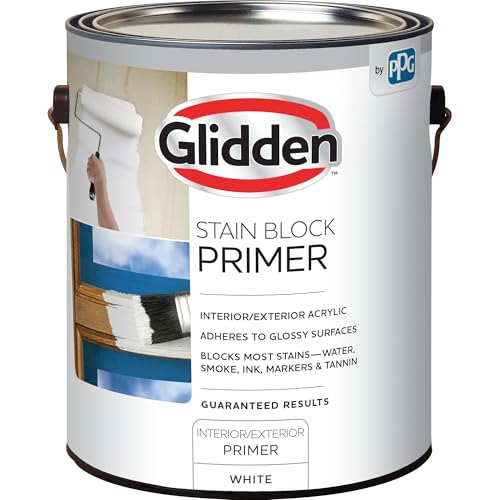
Best for surfaces with gloss or stains needing strong adhesion. This acrylic primer is designed for both interior and exterior use and blocks most stains including water stains, smoke, ink, markers, and tannins. It adheres to glossy surfaces, making it a good foundational layer before painting. The primary limitation is that one gallon might require more coats for full opacity on very demanding doors or surfaces.
Best for: Projects involving glossy or problematic surfaces where staining prevention is a priority. Consider this as a first-primer step before color coats on challenging doors.
Zinsser Smart Prime Water-Based Primer/Sealer
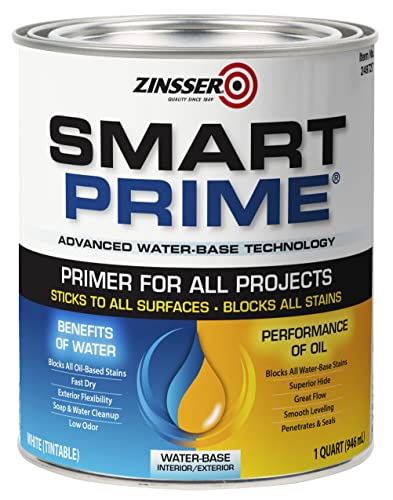
Best for glossy surfaces and stain-prone areas where mold/mildew resistance matters. This white primer bonds well to slick substrates without scuff sanding and uses stain-blocking resins for durable coverage. Selected for doors with glass or metal components that require a solid anchor before top coatings. A note: follow the manufacturer’s drying guidance to ensure topcoat compatibility on certain substrates.
Best for: Doors and trims with slick or difficult-to-bond surfaces where a strong, stain-blocking base is needed. Choose this when you expect moisture or mildew considerations in the entryway.
EVOLVE Paint & Primer In One – Ultimate White
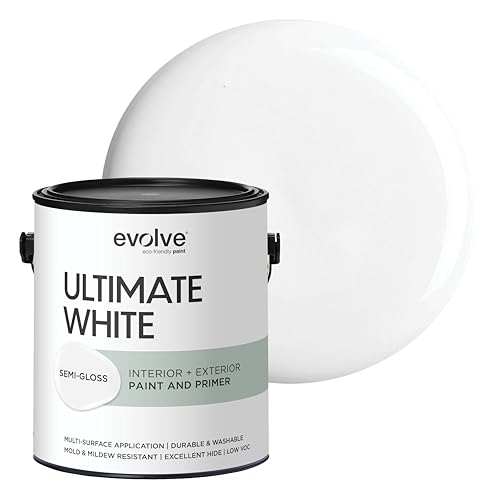
Best for busy projects needing efficiency. This all-in-one product primes, seals, and finishes in one step and is available in multiple sheens suitable for walls, trim, doors, and more. It’s designed for interior and exterior use with options for flat, eggshell, satin, and semi-gloss. The advantage is reduced workflow and faster completion; a potential drawback is that some surfaces may benefit from a dedicated primer for ultra-challenging substrates.
Best for: Projects where time and simplicity matter, especially interior or exterior trim and doors that align with a single-coat efficiency. Avoid this if your door presents extreme adhesion challenges or you require a tailored primer for a specialized substrate.
Buying Guide: Exterior Door Primer and Paint Essentials
What door material and climate considerations matter?
Exterior doors can be metal, wood, or fiberglass. Materials influence primer compatibility, adhesion, and finish durability. In humid or coastal climates, select low-odor, mold-resistant, and moisture-resistant coatings. For glossy doors, use a bonding primer that adheres well to slick surfaces. Consider weather exposure and seasonal temperature swings when planning recoat intervals.
Primer or paint first: which is better for your project?
Primers improve adhesion and stain blocking, especially on difficult surfaces or after repairs. For glossy surfaces or high-stain areas, primers like Zinsser Smart Prime or Kilz Adhesion Prime provide a reliable base. All-in-one products can save time, but they may not be ideal on very challenging substrates. Decide based on surface condition, desired final sheen, and project timeline.
Finish and sheen options
Exterior doors typically benefit from satin or semi-gloss finishes for durability and easy cleaning. White and darker colors offer different maintenance considerations: whites show dirt less distinctly in some climates, while dark colors hide imperfections less effectively but deliver a bold look. Choose the sheen that balances aesthetics with high-traffic durability.
Application tips for best results
- Prepare surfaces: clean, sand glossy areas lightly, and repair any damage before priming.
- Follow drying times between coats, especially when switching from primer to paint or switching sheens.
- Apply thin, uniform coats to avoid runs and ensure even color distribution.
- Ventilate well to minimize odor and improve cure times for water-based products.
Maintenance and longevity considerations
Exterior doors endure weather exposure, so expect periodic touch-ups. Choose high-quality, fade-resistant pigments for color retention and plan repaint intervals based on climate and door exposure.
FAQ
- Q: Do I need a separate primer for an exterior door? A: It depends on the surface. Glossy or problematic substrates benefit from a bonding primer, while some all-in-one products may suffice for easier surfaces.
- Q: What sheen is best for an exterior door? A: Semi-gloss or satin offers durability and easy cleaning, balancing appearance with maintenance.
- Q: How long should I wait between coats? A: Follow product-specific guidelines; typical water-based primers dry within 30–60 minutes, while intermediate coats may need longer on hot or humid days.
- Q: Can I use interior paint on an exterior door? A: Exterior doors should use exterior-grade paints or all-in-one products designed for outdoor use to resist moisture and UV exposure.
- Q: How do I choose between white and dark colors? A: White reflects heat and shows less dirt on some days, while dark colors hide scuffs but may fade more in direct sun. Choose based on climate, style, and maintenance willingness.
- Q: Are all-in-one products as durable as separate primers? A: All-in-one products offer convenience but may not provide the same level of adhesion on difficult surfaces as a dedicated primer in every scenario.