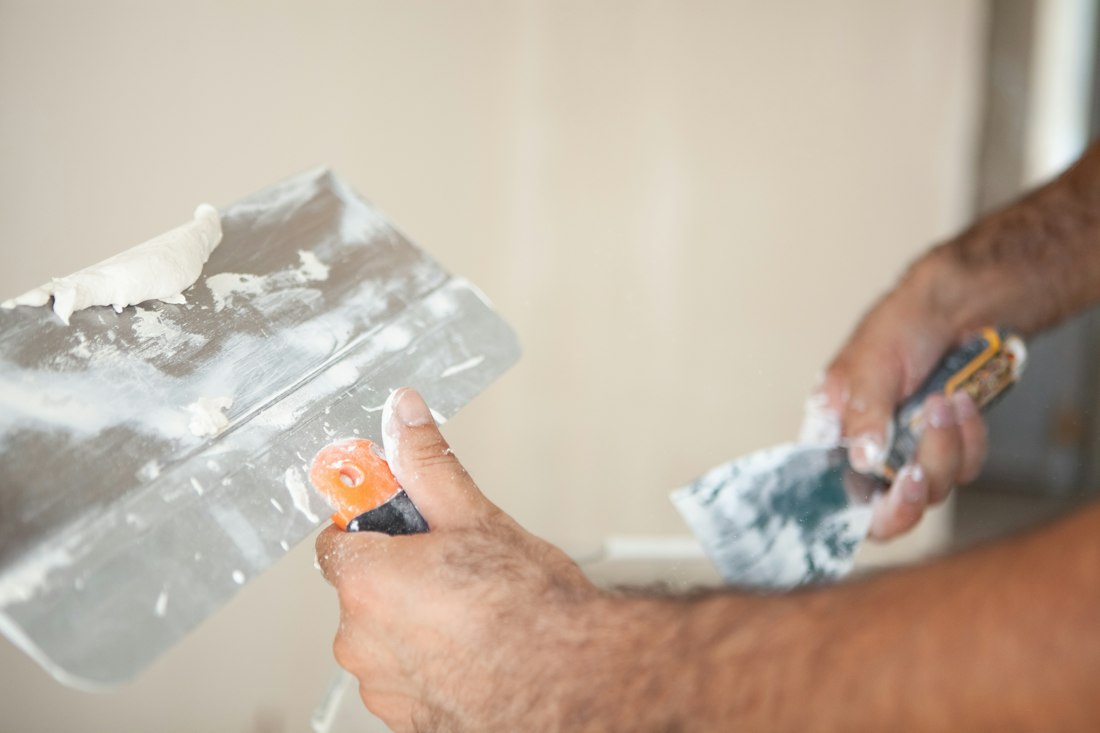
The best plastic sheeting with tape depends on the size of the area and the job. Pre-taped film is convenient for quickly covering cars, furniture, windows, and other surfaces before painting. Papamood and Tangibay are best suited to automotive masking, MATUFF offers wide film in a three-roll pack, AConnet provides broad coverage for large areas, and LOYORTY is a practical multi-roll option for covering household items.
| Product | Best For | Standout Detail |
|---|---|---|
| Papamood Pre-taped Masking Film | Automotive painting | Two rolls; rated for curing up to 230°F |
| Tangibay 22-Inch Masking Film | Car and home projects | Two-in-one tape and film; static cling |
| MATUFF Pre-Taped Masking Film | Wide coverage | Three 118-inch-wide rolls |
| AConnet Pre-Taped Masking Film | Large surfaces | Two rolls, each 13 feet wide |
| LOYORTY Pre-Taped Masking Film | Furniture and appliances | Four rolls for varied-size items |
Papamood Pre-Taped Automotive Masking Film

Best for: Automotive painting and refinishing where heat resistance and clean removal matter. Each package contains two rolls measuring 22 inches by 66 feet. The film combines masking tape and plastic sheeting, so there is no need to apply those materials separately.
The listed features describe tear-resistant HDPE film and heat-resistant rubber adhesive. The product is stated to withstand curing at 230°F for 30 minutes without shrinking or melting. The manufacturer also says the tape removes cleanly within 30 days and is designed to help prevent paint bleed and slipping during application.
Why it was selected: Its automotive-oriented temperature claim and two-in-one format make it a targeted option for masking panels or other sections during paint work. Limitation: At 22 inches wide, each roll may require more strips or repositioning to cover a large vehicle or room than wider film.
Tangibay 22-Inch Pre-Taped Masking Film

Best for: Buyers who want one product for automotive and household painting. This set includes two 22-inch-by-66-foot rolls, with ¾-inch painter’s tape combined with the film. That integrated format can simplify masking compared with handling separate tape and plastic.
Tangibay lists natural-rubber-based automotive masking tape and tear-resistant HDPE film. Its stated heat tolerance is up to 244°F for half an hour. The film is also described as having static cling, which can help it stay positioned on surfaces while covering them. The product is intended for items such as cars, walls, windows, counters, and cabinets.
Why it was selected: It offers a compact roll width and a relatively high stated heat tolerance for paint-protection work. Limitation: The 22-inch width is less suited to covering broad surfaces in a single pass. Test tape adhesion on an inconspicuous area, especially on delicate finishes.
MATUFF Wide Pre-Taped Masking Film

Best for: Covering large furniture, vehicles, or room contents with fewer narrow strips. The pack includes three clear rolls, each listed as 118 inches wide and 65.5 feet long. The stated total coverage is about 1,935 square feet.
The film is made from polyethylene and is described as waterproof, oil-resistant, tear-resistant, and resistant to penetration. The product also uses electrostatic adsorption to help the film cling to objects. Its folding design is intended to make the wide material easier to unfold, position, and cut.
Why it was selected: Its 118-inch width and three-roll quantity suit jobs where broad coverage is more useful than compact masking. Limitation: A wide sheet can be harder to control alone, particularly in a confined area or around smaller objects. Confirm the tape’s suitability for the surface before covering finished walls or delicate materials.
AConnet 13-Foot Pre-Taped Sheeting

Best for: Large surfaces that benefit from wide coverage, such as floors, furniture, or automotive areas. The package contains two rolls, each approximately 13 feet wide and 65.5 feet long. The listed total coverage is about 1,700 square feet.
The product uses pre-taped polyethylene film for positioning and is described as 2.5 mil thick, moisture-proof, and tear-resistant. The listed uses include wood and metal furniture, floors, and automotive protection. A key surface-specific note from the manufacturer is that it does not recommend using this film on walls because removal could damage them.
Why it was selected: Its substantial width and stated film thickness make it a useful option for broad protection from dust, water, or paint. Limitation: Avoid using it on walls according to the product guidance, and plan how to handle the wide sheet before unrolling it in a tight space.
LOYORTY Four-Roll Pre-Taped Film
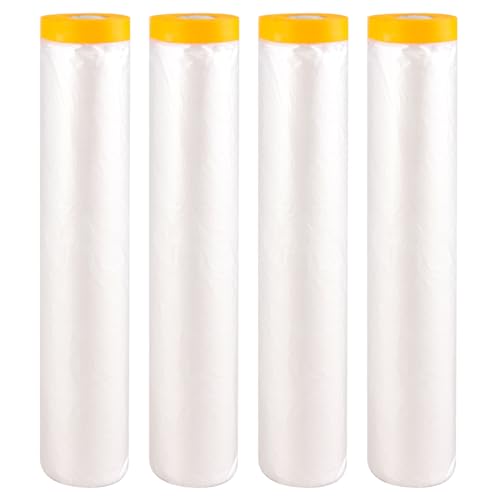
Best for: Household painting and cleanup projects involving several pieces of furniture or appliances. The pack includes four rolls measuring 8.8 feet by 65 feet each. Its pre-taped edge is designed to make the film easier to position on three-dimensional items such as wardrobes and refrigerators.
The manufacturer lists protection for furniture, carpet, floors, sofas, tables, beds, closets, and cars from paint, water, dust, and debris. The multiple rolls can be used separately for smaller objects or combined for a larger covering task.
Why it was selected: Four rolls and a broad 8.8-foot width give buyers flexibility when masking multiple household items. Limitation: The provided product details do not state a film thickness or heat tolerance, so it is not the clearest choice for high-temperature automotive curing.
Buying Guide: How to Choose Plastic Sheeting With Tape
What are you covering?
Start with the shape and surface of the item. Narrow pre-taped film can be easier to apply around car panels, window frames, trim, or individual pieces of furniture. Wide film is more efficient for floors, large furniture, or broad sections that would otherwise need many overlapping strips.
For multiple objects, consider the number of rolls as well as their dimensions. A multi-roll pack can be easier to divide between rooms or items. For a single large surface, the width and total coverage may matter more than the roll count.
How wide should the film be?
Wider film can cover more area quickly, but it may be difficult to handle without help. A 22-inch roll offers more control around edges and smaller sections, though it can take longer to cover broad surfaces. Film measuring 8.8 feet or more can reduce seams, but requires space to unfold and position.
Estimate the area before purchasing. Check both the roll width and length, and remember that overlapping edges and wrapping around objects use more material than the flat surface measurement suggests.
Does the project involve heat?
For automotive refinishing or other work involving heated curing, check the product’s stated temperature limit and duration. Among the options here, Papamood lists 230°F for 30 minutes, while the 22-inch Tangibay film lists up to 244°F for half an hour. These are manufacturer-provided claims, not a guarantee that a film suits every paint system or curing setup.
For ordinary household painting without heat exposure, temperature claims may be less important than coverage, handling, and surface-safe tape removal. Do not assume that an automotive masking product is appropriate for every painted or delicate surface.
Will the tape damage the surface?
Adhesive strength and surface condition both affect removal. The AConnet listing specifically cautions against wall use because of possible damage. Papamood describes clean removal within 30 days, but that claim does not replace checking the material and finish you plan to mask.
When the surface is delicate, freshly painted, dusty, or uneven, test the tape in a hidden area first. Apply it without stretching, press it down only as needed, and follow the product’s removal guidance. Do not leave masking material in place longer than the stated period.
Is pre-taped film better than separate tape and plastic?
Pre-taped sheeting combines two steps into one product, which can speed up positioning and reduce the need to hold a loose sheet while applying separate tape. It is especially convenient for covering objects and making a protective edge. Separate tape and plastic can offer more control over tape type, sheet size, and placement, which may be useful for unusual shapes or sensitive surfaces.
What other specifications should you compare?
- Film material: HDPE and polyethylene are listed for several options, but the product descriptions do not provide identical specifications.
- Thickness: AConnet lists 2.5 mil. Do not assume other products have the same thickness when it is not provided.
- Coverage: Compare stated roll dimensions and total area, then allow for overlap and wrapping.
- Adhesion features: Some products describe static cling or electrostatic adsorption; these features help positioning but are not substitutes for secure taping at the edges.
- Cleanup needs: Choose film and tape suitable for the surface and expected project duration.
Frequently Asked Questions
What is plastic sheeting with tape used for?
It covers surfaces and objects during painting, remodeling, cleaning, or dust-producing work. The attached tape helps hold the film in position while the plastic shields the covered area.
Can pre-taped plastic sheeting be used on a car?
Some products in this guide are specifically described for automotive masking. Check the stated heat tolerance and follow the product’s surface and removal guidance before using it on a vehicle.
Can I use taped plastic film on walls?
It depends on the product and wall finish. AConnet does not recommend wall use, and adhesive can damage some surfaces. Test a small, hidden area first when the product permits wall use.
How do I prevent paint from getting under the plastic?
Apply the tape edge smoothly and keep the film positioned so it does not flap into the work area. Overlap adjoining sections as needed, and use a product suited to the surface and painting conditions.
Should I choose a wide roll or a narrow roll?
Choose a narrow roll for more controlled masking around smaller sections. Choose a wide roll when you need to cover broad areas with fewer seams and have enough room to handle the sheet.