Looking for a pickled oak wood stain that adds authentic color while protecting surfaces? This guide highlights top options that deliver real-wood appearance and reliable performance on a variety of projects. The best picks suit different buyers: DIY homeowners refinishing furniture, crafters coating walls or decks, and professionals seeking durable finishes. Below, you’ll find concise comparisons, ideal use cases, and quick reference notes to help you decide.
Summary table of selected products:
| Product | ||
|---|---|---|
| Retique It Wood’n Stain (Liquid Wood Gel Stain, 32 oz, Pickled Oak) | Liquid wood gel stain | Projects needing real-wood look on hard surfaces |
| Minwax Color Wash White Wash Pickling Stain (Quart) | Transparent layering color | Age and character on bare or stained wood |
| Minwax Wood Finish Pickled Oak (Gallon) | Oil-based stain | Interior furniture, cabinets, doors with rich color |
| Retique It Wood’n Stain (Liquid Wood Gel Stain, 16 oz) | Liquid wood gel stain | High-traffic or indoor/outdoor surfaces |
| Varathane Water Based Wood Stain (Quart, White Oak) | Water-based stain | Low-odor, quick-dry interior projects |
Retique It Wood’n Stain – Liquid Wood Gel Stain (32 oz)

Best for beginners and DIYers who want real-wood feel with minimal prep. This gel-stain-like product goes on as a gel but resembles real wood because it contains actual wood fibers. First coat provides a translucent wash, while 2–3 coats yield a fuller wood finish over many surfaces. Use on furniture, trim, or panels where you want visible grain and warmth. Caution: may require multiple coats to reach deeper color on very dense woods.
Minwax Color Wash White Wash Pickling Stain (Quart)
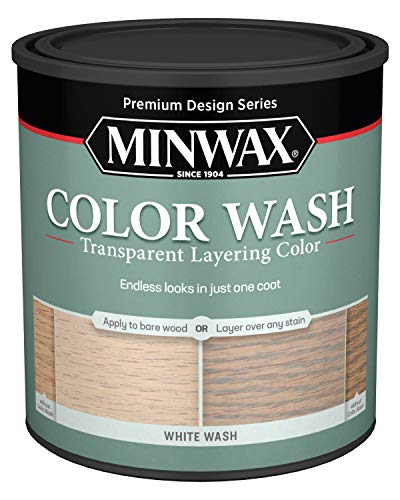
This product is ideal for aging bare wood or adding character over existing stains. It’s a transparent layering color that dries quickly and can be applied over oil or water-based stains. The formula supports multiple coats in a single session, enabling deeper effects without heavy buildup. Best for projects where a soft, white-washed look or vintage feel is desired. Limitation: color depth depends on underlying wood and stain choices.
Minwax Wood Finish Pickled Oak (Gallon)

Best for interior staining with a single-coat efficiency. This oil-based stain penetrates deeply to enrich color and highlight grain. It dries relatively quickly for an oil-based product, with full color developing after application. It’s well suited for furniture, cabinets, and doors where a rich pickled oak tone is desired. Limitation: higher odor and VOC levels typical of oil-based formulas, so ventilation is important, especially indoors.
Retique It Wood’n Stain – Liquid Wood Gel Stain (16 oz)

A compact option for smaller projects or touch-ups where a true gel-stain feel is desired. The liquid wood technology lets you apply over painted or finished surfaces, indoors or outdoors, with brush, sprayer, or roller. It offers strong adhesion and durability for high-traffic zones like decks and countertops. Best for quick revamps of existing surfaces without stripping. Limitation: 16 oz size may require more coats for larger areas.
Varathane Water Based Wood Stain – White Oak (Quart)

Best for projects requiring a low-odor, fast-drying water-based option. This stain offers rich color in a single coat on many surfaces and minimizes odor and VOC exposure. It’s ideal for interior furniture and cabinetry, especially in spaces where ventilation is limited. Better for lighter to mid-tone picks; deeper tones may need additional coats. Caution: wait times and wipe-off guidelines influence final shade, so test on a hidden area first.
Furniture Clinic Wood Stain – Dark Oak

Best for versatile finishes across indoor and outdoor wood surfaces. This water-based stain dries quickly to a natural matte finish, offering easy application and clean-up. It’s available in multiple colors and sizes, which helps with projects ranging from small furniture restorations to larger deck or fence staining. Limitation: some users may experience a lighter color on highly absorbent woods; test first to gauge coverage and tone.
Buying Guide: Key Considerations for Pickled Oak Finishes
Surface type: Consider whether you’re finishing raw wood, refinishing painted surfaces, or upgrading existing finishes. Gel stains are often forgiving over challenging textures, while oil or water-based stains suit different odor and cleanup preferences.
Color depth and shade control: Transparent washes build color gradually. If you want a deeper pickled oak look, select products designed for multiple coats or deeper penetration.
Drying time and odor: Oil-based stains typically develop color quickly but emit stronger odors and VOCs. Water-based stains offer low odor and faster recoat opportunities but may require more coats for rich color.
Durability and use case: For high-traffic areas, durable finishes or gel-stain formulations that bond to multiple surfaces may be preferable. Indoor furniture and cabinets benefit from low-odor options, while outdoor projects need weather-resistant formulations.
Application method and cleanup: Gel stains minimize brush strokes and can be easier for beginners. Water-based products usually simplify cleanup and reduce harsh chemicals. Always follow manufacturer directions for surface preparation and curing times.
Frequently Asked Questions
- What is pickled oak stain used for? It is used to reproduce the pale, rustic oak look with a warm, aged tone on wood and certain surfaces. It enhances grain visibility and adds character to furniture and cabinetry.
- Can I use gel stain over painted surfaces? Yes, gel stains like liquid wood formulations can adhere to painted or finished surfaces, providing a wood-like final appearance without stripping.
- Is water-based stain better than oil-based? Water-based stains offer lower odor and faster cleanup, while oil-based stains often provide deeper color with longer lasting resonance in grain.
- Do I need a topcoat after staining? For most interiors, a finish such as polyurethane or varnish helps protect the stain and wood, especially on furniture and tabletops.
- How many coats are needed for pickled oak? It varies by product; transparent washes may require multiple light coats, while deeper tones may need fewer but more saturated applications.
- Can I stain over existing finishes? Many products allow direct application over painted or finished surfaces, but test on a small area to confirm adhesion and color.