Penetrating wood oils provide a natural look while sealing wood fibers from within. This guide highlights five penetrating oils that suit indoor and outdoor projects, helping you pick the right option for your wood type and climate. Ideal buyers include DIY homeowners, furniture refinishing hobbyists, and outdoor wood caretakers seeking durable, non-film-forming finishes. The table below summarizes the five selections for quick comparison.
| Product | Best For | Key Benefit |
|---|---|---|
| HOPE’S 100% Pure Tung Oil | Interior and exterior wood, fine furniture | Deep penetration, flexible finish, water/oil resistance |
| LinSheen Boiled Linseed Oil | Wood furniture, floors, outdoor gear | Fast-drying, grain-enhancing, deep conditioning |
| Penofin Deep Penetrating Oil (Exotic Hardwood) | Dense hardwoods like Ipe, Mahogany, Teak | Ultraviolet protection, natural tone |
| Penofin F3XHWGA Natural Exotic Hardwood (1 Gal) | Large exotic hardwood projects | Dense hardwood penetration, UV protection |
| SEAL-ONCE Marine Penetrating Wood Sealer | Outdoor decks, docks, near water | UV stability, water resistance (note: not for hardwoods) |
HOPE’S 100% Pure Tung Oil

Overview: HOPE’S Tung oil penetrates deep into wood fibers rather than forming a surface film. It cures to a flexible, non-oily solid that becomes part of the wood, delivering a durable, natural-looking finish.
Best for: Fine indoor woodwork and outdoor furniture where a hand-rubbed, natural appearance is desired. It’s especially suited for craftsman-style finishes on hardwoods and softwoods alike.
Why chosen: This product emphasizes deep penetration and long-lasting protection against moisture, alcohol, and everyday wear. Its oil-based formulation allows maintenance with re-application over time without buildup.
Caution: Some tung oil products can darken light woods; test on a small area before full application. Ensure adequate ventilation during curing.
Kate Naturals Mineral Oil For Wood

Overview: A lightweight, food-grade mineral oil that soaks into wood rather than sitting on the surface. It’s colorless, odorless, and leaves no greasy residue, making it suitable for cutting boards, butcher blocks, utensils, and wooden kitchen surfaces.
Best for: Kitchen prep areas and wooden utensils where a non-staining, non-film finish is preferred. Useful for maintaining moisture in cutting boards and salad bowls without altering color.
Why chosen: Its absorption profile minimizes surface film, aiding easy reapplication and reducing scent or sticky feel. It’s safe for kitchen use when applied to non-porous surfaces, like standard cutting boards and wooden utensils.
Caution: It is not a stain or a sealant. It may require more frequent application on heavily used surfaces to maintain moisture protection.
Furniture Clinic Teak Oil
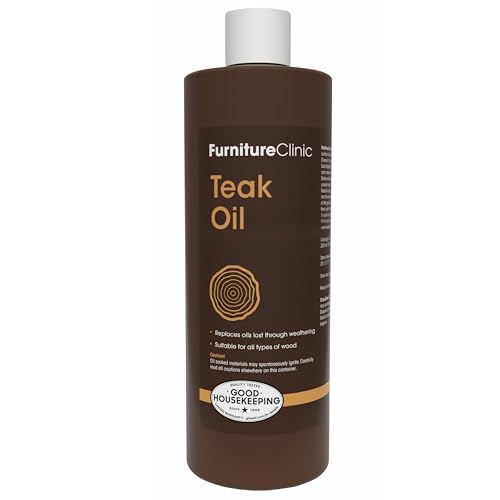
Overview: Teak Oil from Furniture Clinic restores the natural golden-brown tone of weathered teak and provides a protective seal for indoor and outdoor wood. It’s designed to replace oils lost through weathering and UV exposure.
Best for: Outdoor furniture and decks that require a routine oiling to maintain color and moisture resistance on teak and similar hardwoods. Ideal for maintaining weathered surfaces that still show wood grain.
Why chosen: It combines restoration capability with sealing properties to protect against drying and surface cracking while preserving the wood’s natural appearance.
Caution: Not all woods respond the same; test on a hidden area since some surfaces may darken differently after application.
Penofin Deep Penetrating Oil Treatment

Overview: Penofin Deep Penetrating Oil is formulated to penetrate dense hardwoods, providing ultraviolet protection and a transparent natural tone that lets wood grain show.
Best for: Exotic and dense hardwoods such as Ipe, Mahogany, and Teak. It’s a strong choice for exterior projects where UV protection is important and a natural look is desired.
Why chosen: The product targets dense woods with a formulation designed to reach deep fibers, helping prevent graying and weathering while preserving the wood’s natural beauty.
Caution: Some exotic species can require multiple coats or longer curing times to achieve even penetration; follow recommended reapplication intervals for exterior use.
Penofin F3XHWGA Natural Exotic Hardwood

Overview: A large-volume option designed for exotic hardwood finishing, providing penetration and UV protection to enrich natural color.
Best for: Large projects or commercial outdoor applications involving exotic woods. It emphasizes a natural tone and deep wood enhancement.
Why chosen: It’s oriented toward professionals or serious hobbyists tackling sizable, dense-wood installations where consistent penetration and color are key.
Caution: Works best with proper surface preparation; ensure wood is clean and dry for even results.
SEAL-ONCE Marine Penetrating Wood Sealer

Overview: A marine-grade penetrating sealer designed to offer UV stability and water resistance for outdoor wood near water. It’s noted as not intended for hardwoods like ipe, mahogany, or teak.
Best for: Outdoor decks, docks, and outdoor furniture in humid or marine environments where water exposure is frequent.
Why chosen: It provides a penetrating, water-repellent barrier that helps protect wood from moisture and salt spray while preserving the wood’s natural look.
Caution: Not suitable for dense hardwoods; choose a different product for such species to ensure proper penetration and protection.
Buying Guide: Key Factors For Penetrating Wood Oils
- Wood type matters: Dense exotic woods often need specialized penetrating oils that provide UV protection and deeper fiber reach. Softwoods may respond better to standard penetrating oils that cure evenly.
- Indoor vs. outdoor use: Indoor finishes prioritize aesthetics and feel, while outdoor options emphasize weather resistance, UV blocking, and moisture sealing.
- Penetration vs. film formation: Choose penetrating oils that absorb into fibers for a natural feel, rather than creating surface films that can peel or crack over time.
- Drying and curing times: Some oils cure slowly; plan project timelines accordingly and consider re-coating intervals for ongoing maintenance.
- Safety and odor: Food-grade or low-odor formulas are preferable in kitchens or living spaces; always use in well-ventilated areas.
- Maintenance: Oils may require periodic reapplication to sustain color and protection; track wear patterns on high-traffic surfaces.
FAQ
- What is the main difference between penetrating oil and a surface finish? Penetrating oil soaks into the wood fibers, sealing from within, while surface finishes form a film on the surface.
- Can penetrating oils be used on outdoor furniture? Yes, many penetrating oils are designed for outdoor use, with some offering UV protection and moisture resistance.
- Is tung oil safe for food-contact surfaces? Pure tung oil is often considered food-safe when fully cured, but check the product’s guidelines for kitchen use.
- Should I seal hardwoods with Penofin or a marine sealer? For exotic or dense hardwoods, Penofin products typically offer better penetration; marine sealers are better suited for decks and docks near water but not for hardwood species.
- Do I need to sand between coats? Some products require light sanding between coats for best penetration and finish; follow product-specific instructions.
- How do I choose between linseed oil and tung oil? Linseed oil dries quickly and deepens grain; tung oil offers a tougher, more flexible finish and better moisture resistance in many cases.