Answering the needs of DIYers, furniture restorers, and cabinetry enthusiasts, peel and stick veneer sheets offer a fast, mess-free way to refresh surfaces. This guide highlights five top options, focusing on ease of use, flexibility, and how each fits different project goals. Whether you’re patching cabinet faces or re-surfacing a tabletop, these selections help you achieve a premium look with minimal tools.
| Product | Why It Stands Out | Best For |
|---|---|---|
| Edge Supply Red Oak | A-grade real wood with easy peel-and-stick backing; good for curved surfaces | Cabinetry restoration, furniture with curves |
| Edge Supply Walnut | Ready to stain; strong adhesive with flexible grain | Refacing furniture with a rich walnut finish |
| Edge Supply Ultra Flexible Walnut (0.4 mm) | Very thin; high flexibility for tight bends | Ornate edges and curved panels |
| Edge Supply White Oak Rift | 3M self-adhesive; easy to align on flat surfaces | Flat-surface furniture and cabinetry |
| Edge Supply Ultra Flexible Cherry (0.4 mm) | Thin and pliable; good color match options | Showpiece veneered panels and curved surfaces |
Edge Supply Red Oak 24 x 96-inch Peel and Stick Veneer
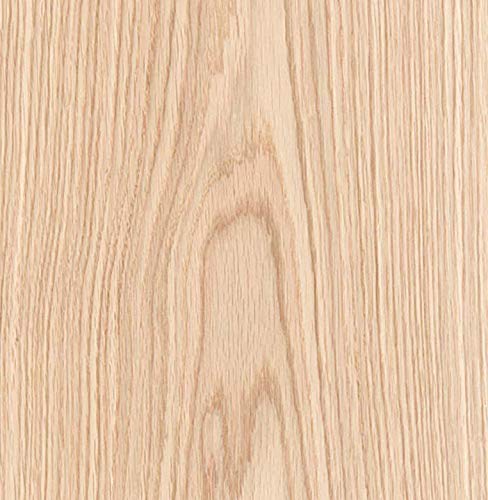
Real wood veneer sheet, A-grade red oak with smooth finish. Adhesive back removes the need for extra glue and supports a secure bond on flat surfaces as well as curved edges. Cut to size with a box knife and use a scraping tool for a premium finish. Best for: cabinet restoration and furniture with bends that still require a natural oak look. Limitation: very thick projects may require careful bending and clamping during set.
Edge Supply Walnut 24 x 96-inch Peel and Stick Veneer

Real wood veneer ready to stain, with a self-adhesive backing that sticks to flat surfaces. The walnut veneer is designed to be flexible without splitting the grain. Best for: cabinet refacing and repairs where a walnut match is desired. Limitation: may require careful cutting to avoid visible seams on complex shapes.
Edge Supply Ultra Flexible & Thin Walnut 0.4 mm (24″ x 48″) Peel and Stick
Very thin walnut veneer designed for tight curves and intricate edges. The paper-backed sheet peels away to reveal a strong self-adhesive layer. Best for: curved panels and decorative inlays on furniture. Limitation: extremely thin sheets may require careful handling to prevent tearing during application.
Edge Supply White Oak Rift Wood Veneer Sheet 24” x 48”

White oak rift cut veneer with 3M peel-and-stick backing for easy application on flat surfaces. Ready to stain and pair with existing oak furniture, cabinets, or built-ins. Best for: restoration projects where oak grain direction and uniformity are crucial. Limitation: less forgiving on complex curves compared to ultra-flexible options.
Edge Supply Ultra Flexible Cherry 0.4 mm Veneer (24″ x 96″)

Thin cherry veneer sheet, ready to stain with a very flexible adhesive backing. It handles contours well and offers a natural cherry tone. Best for: showpiece panels and curved furniture parts where a cherry finish is desired. Limitation: the very thin material can be more prone to punctures if mishandled during cutting.
Buying Guide
What to consider when choosing peel and stick veneer for your project
- Surface type: For flat surfaces, a standard 0.4 mm or thicker sheet with a strong 3M adhesive provides reliable adhesion. For curved or irregular surfaces, prioritize ultra-flexible options designed to bend without cracking.
- Wood species and finish: Select a veneer that matches or complements the existing wood tone. Real wood options like oak, walnut, and cherry give authentic grain and color when stained.
- Adhesive strength and backing: Look for a robust backing that peels away cleanly and leaves a strong bond on the target surface. A paper backing is common, with a separate protective layer.
- Ease of installation: Peel-and-stick veneers save time but require careful alignment. Cutting to size with a sharp box knife and using a scraping tool helps achieve a seamless result.
- Flexibility vs. grain direction: Highly flexible sheets resist grain splitting when bent. Consider the grain angle and whether the surface demands bending around curves or tight corners.
- Finish versatility: Consider whether the veneer is ready to stain or already finished. Some options are ready to stain to match your existing furniture.
FAQ
- What surfaces can peel and stick veneer be applied to? Most flat, clean, and dry surfaces like wood, plywood, MDF, and some plastics, with proper sanding and prep.
- Do I need glue with peel and stick veneer? No glue is typically required; these sheets have an adhesive backing. For extra bonding on challenging surfaces, light clamping during initial set can help.
- Can I stain peel and stick veneer? Many options are ready to stain after application, but confirm product details to ensure stain compatibility with the veneer edge and finish.
- Will veneer sheets crack on curves? Ultra-flexible 0.4 mm sheets are designed to bend without cracking; thicker sheets may require more careful application on curves.
- How do I finish edges after applying veneer? Use a stiff scraper or a wooden block to seat the veneer, then sand lightly and apply edge banding or matching trim for a clean edge.
- How long does it take to install veneer? Installation time depends on surface size and complexity. Plan for precise cutting, alignment, and smoothing during the first pass.