Paneling for basement walls offers a fast, cost-effective way to finish a space, improve acoustics, and add texture. This guide highlights five top options that work well for basement environments, focusing on moisture tolerance, ease of installation, and room-enhancing aesthetics. Ideal buyers include DIY homeowners upgrading a basement, small business spaces seeking quick wall treatment, and homeowners needing flexible materials for curved or irregular surfaces.
Summary of chosen products:
- Art3d 48 x 96 Inch Natural Bamboo Wall Panel — Best for tropical warmth and easy installation.
- FAKILO Flexible Bamboo Wall Paneling — Best for curved walls, columns, and paintable finishes.
- Juexica 1 Pcs Natural Bamboo Wall Panel — Best for single large-area installations and quick coverage.
- STICKEEP 3D Brown Wood Panels — Best for sound absorption and textured look.
- NeatiEase Wood Panels — Best for a balanced acoustic and contemporary design with easy mounting.
Art3d Bamboo Wall Panel for Interiors

Best for introducing natural warmth in a basement with simple install. The Eco-Friendly 100% renewable bamboo panels provide a tropical texture suitable for living rooms, bedrooms, or office zones that need a calm, organic backdrop. DIY-friendly installation supports staple gun or adhesive applications on flat or irregular surfaces. This paneling is best for buyers seeking sustainability alongside a flexible, stylish finish for interior walls and ceilings.
Who it’s for: DIY homeowners wanting an easy, sustainable upgrade; spaces aiming for tropical, airy vibes without heavy renovations. Limitation: bamboo panels may require careful moisture consideration in very damp basements to prevent warping over time.
YU LI 3D Wall Panels Peel And Stick

Best for quick, decorative upgrades on basement walls with minimal tools. The 3D faux brick foam panels deliver a striking texture that can visually elevate a basement TV wall, entry alcove, or accent corner. They are easy to install with strong adhesion and are designed to be trimmed to fit irregular shapes. Choose this for bold, modern patterns without construction dust or heavy labor.
Who it’s for: Renters or DIYers needing fast results or temporary walls. Caution: foam materials may be less durable in high-traffic areas or moisture-prone spots without proper sealing.
FAKILO Flexible Bamboo Wall Paneling
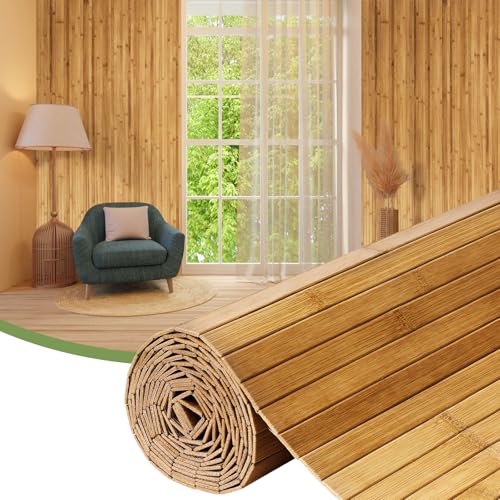
Best for curved basement walls, columns, and kitchen island backdrops. This paintable, stainable bamboo pole wrap provides instant natural warmth and texture, bending easily to irregular shapes. It’s ideal for decorative wainscoting and ceiling accents without messy renovations. The material accepts paint or stain to match any color scheme, offering customization for long-term style alignment.
Who it’s for: Homeowners renovating curved surfaces or looking to customize a natural wood finish. Limitation: flexible bamboo panels may require careful alignment on very uneven substrates to avoid gaps.
STICKEEP 3D Brown Wood Panels

Best for acoustics and a textured wood look. These 3D brown wood panels feature a self-adhesive backing and are designed to absorb sound while adding depth to walls or ceilings. They’re easy to install, can be cut to size, and provide a warm, rustic-modern aesthetic. Choose this option when sound control is a priority alongside visual appeal.
Who it’s for: Bedrooms or home offices needing improved sound quality with a wood-grain impression. Caution: the self-adhesive may not adhere as strongly on very dusty or highly glossy surfaces without proper surface preparation.
NeatiEase Wood Panels For Wall

Best for a balanced acoustic and contemporary finish. The 4-panel package covers about 33 square feet and can be installed horizontally or vertically, offering flexibility in layout. Made from MDF and high-density polyester fiber, these panels emphasize environmental responsibility with low VOCs while delivering noise dampening and a clean, modern wood look.
Who it’s for: Buyers seeking a straightforward, stylish wood slat solution with solid acoustic benefits. Limitation: MDF-based panels can be less moisture-tolerant than solid wood if exposed to damp basement conditions without proper sealing.
Buying Guide: Key Considerations For Basement Paneling
- Moisture Resistance: Basements can be damp. Look for panels designed for indoor use with moisture resistance or easy-to-seal surfaces.
- Installation Type: Decide between self-adhesive, staple/adhesive installations, or clip-on systems. DIY-friendly options reduce time and mess in a basement project.
- Acoustic Benefits: If you need noise reduction, prioritize 3D wood slats or acoustic panels that advertise sound dampening or echo control.
- Appearance And Texture: Choose textures that complement basement lighting and color schemes—from bamboo warmth to brick-like 3D textures or wood slats.
- Finish Customization: Paintable or stainable options offer flexibility to match future design changes without replacing panels.
- Surface Preparation: Ensure walls are clean and smooth. Some products require priming or sealing for best adhesion and longevity.
- Cut And Fit: Curved walls or columns benefit from flexible or easily trim-able panels; verify the product’s ability to be cut to size without compromising integrity.
Frequently Asked Questions
- What is the easiest paneling to install in a basement?
– Self-adhesive or peel-and-stick panels typically install fastest with minimal tools. - Do bamboo panels hold up in basements with humidity?
– Bamboo performs well in normal indoor basements but may require moisture control and proper sealing to prevent warping. - Can these panels improve sound in a basement?
– Yes, especially 3D wood slats and acoustic panels designed to reduce echo and improve sound quality. - Are paintable or stainable panels worth choosing?
– Yes, they offer customization to match evolving decor and color schemes without replacement. - What should I consider before choosing paneling for curved basement surfaces?
– Look for flexible or pole-wrap style panels designed to hug irregular shapes and offer simple installation. - Do these panels require professional installation?
– Most options are designed for DIY installation, but complex ceilings or very irregular walls may benefit from professional help.