Looking for a pale blue wall color that works across rooms and surfaces? This guide highlights five top Amazon finds that deliver calm, versatile blue tones for walls, furniture, and trim. Each option is explained for who it’s best for, with practical pros and a small caveat. Use these picks to achieve a cohesive pale blue palette in living rooms, bedrooms, kitchens, and home offices.
Buyer’s snapshot — The best pale blue wall color choices fall into two main camps: durable, one-coat paints ideal for high-traffic spaces (kitchens, hallways, kid zones) and softer flat or satin finishes suited to bedrooms and living areas. The following selections balance coverage, finish options, and ease of use, helping you choose based on surface type, room function, and odor concerns. The table below lists key details for quick comparison.
| Product | Finish | Best For |
|---|---|---|
| EVOLVE Tru Coat All-In-One Paint & Primer, Sky Blue | Semi-Gloss | Cabinets, furniture, and high-traffic areas |
| EVOLVE Interior Paint & Primer, Satin (Pale Blue) | Satin | General living spaces and walls |
| THE ONE All-In-One Paint & Primer, Light Blue Matte | Matte | Walls and surfaces where a matte look is desired |
| EVOLVE Interior Paint & Primer, Flat (Pale Blue) | Flat | Bedrooms and low-traffic areas needing softness |
| Abstract Brush Stroke Framed Canvas Wall Art | Framed print | Decor accents to complement pale blue walls |
Best One-Coat Sky Blue For Cabinets And More

The EVOLVE Tru Coat All-In-One Paint & Primer in Sky Blue is designed for fast coverage with up to 100 sq. ft. per quart. It combines paint and primer, reducing prep time. Best for users who want a durable finish on cabinets, furniture, walls, trim, and exterior surfaces in a single step. The formula is suitable for indoor and outdoor use, offering a smooth, long-lasting result with minimal prep. Caution: semi-gloss finishes can highlight surface imperfections if the substrate isn’t properly prepared.
Who this is best for: DIY painters tackling kitchens, cabinetry, or outdoor pieces who want a one-coat solution with durable wear resistance.
Why selected
- True all-in-one paint and primer reduces steps.
- One-coat coverage ideal for fast projects.
- Multi-surface versatility supports a cohesive pale blue scheme beyond walls.
Caution or limitation
- Finish sheen may show imperfections in rough surfaces; ensure proper surface preparation.
EVOLVE Satin Pale Blue Interior Paint & Primer

This satin-painted option blends paint and primer in one, offering great coverage and an excellent hide across walls and surfaces. Available in 50+ colors, it comes in multiple sheens to match different rooms. Satin provides a soft, durable finish that resists scuffs and stains, making it suitable for kitchens, baths, and high-use areas. It’s a practical choice where you want a polished look without frequent touch-ups. Limitations include potential odor during application, particularly in poorly ventilated spaces.
Who this is best for: Homeowners seeking a versatile interior paint that protects walls in living rooms, corridors, and high-traffic zones while maintaining a subtle sheen.
Why selected
- Excellent hide reduces the number of coats needed.
- Wide color selection helps coordinate pale blue tones with other décor.
- Low VOC variant improves indoor air quality during painting projects.
Caution or limitation
- Ventilation is important to minimize odor during application and cure time.
The One All-In-One Light Blue Matte
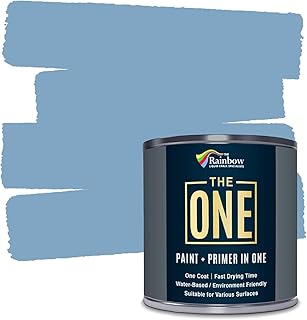
The One All-In-One Paint & Primer in Light Blue Matte offers a single-coat solution for interior and exterior projects. This product is praised for its opacity and quick drying time, making it suitable for walls, ceilings, floors, cabinets, furniture, and doors. Matte finish creates a modern, non-reflective look that hides minor imperfections. A potential drawback is that matte finishes can be less forgiving on high-traffic areas prone to fingerprints and scuffs. Choose this if you want a bold pale blue with a contemporary matte appearance.
Who this is best for: Those seeking a fast, single-coat method with a bold, low-sheen finish for large wall areas and decorative pieces.
Why selected
- One-coat formula saves time on large spaces.
- Matte finish hides surface irregularities well.
- Versatile for indoor and outdoor use on many surfaces.
Caution or limitation
- Matte finishes show more imperfections than satin or semi-gloss; surface prep matters.
EVOLVE Flat Pale Blue Interior Paint & Primer

This flat pale blue option provides a smooth matte finish that hides wall imperfections without reflective glare. It combines paint and primer in one for simpler application, with color choices in multiple sheens and sizes. Flat finishes are well-suited for bedrooms, living rooms, and other spaces where a soft, understated look is preferred. A caveat is that flat sheens can be harder to clean, so consider room function when selecting this finish.
Who this is best for: Rooms where a soft, low-sheen look is desired and wall imperfections should be minimized, such as bedrooms and media rooms.
Why selected
- One-coat coverage for efficient projects.
- Flat finish hides imperfections effectively.
- Low odor and low VOC options support indoor air quality.
Caution or limitation
- Flat finishes can be more challenging to spot-clean; use dedicated wall cleaners when needed.
Buying Guide: Pale Blue Wall Color Essentials
What to consider when choosing a pale blue wall color:
- Surface type: Wood, plaster, metal, and masonry can require different primers or sheen levels for best adhesion and durability.
- Room function: Matte or flat finishes minimize imperfections in bedrooms or living rooms, while satin or semi-gloss offers easier cleaning for kitchens and hallways.
- Lighting: Pale blue tones shift with natural and artificial light; test color swatches on multiple walls and times of day.
- Sheen and durability: One-coat formulas save time but ensure proper surface prep for optimal results.
- Odor and VOCs: Look for low-VOC options for spaces with limited ventilation.
Practical decision paths
- High-traffic spaces (kitchens, entryways): prefer durable finishes like semi-gloss or satin with good washability.
- Relaxed bedrooms: consider flat or satin for a soft, cozy look.
- Accent furniture or cabinetry: one-coat, multi-surface products can simplify refresh projects.
Color coordination tips
- Pair pale blues with warm neutrals (cream, beige) for balance.
- Use lighter trim (off-white) to keep contrast subtle and refined.
- Introduce texture with textiles or decor in complementary blues and grays.
FAQ
- Q: Do pale blue paints require different primer? A: Some products include primer in one, but for best adhesion on shiny surfaces, use a compatible primer first.
- Q: How many coats are needed for pale blue walls? A: One coat is common with certain all-in-one formulas; follow manufacturer guidance and test a small area.
- Q: Are low-VOC paints suitable for bedrooms? A: Yes, low-VOC options are designed for indoor use and better air quality.
- Q: Can I use these paints outdoors? A: Some products are specified for interior and exterior use; always confirm surface compatibility.
- Q: Will matte blue walls show dirt easily? A: Matte finishes hide imperfections but can show fingerprints more than satin; plan cleaning accordingly.
- Q: How should I test color at home? A: Apply swatches to a representative wall section and observe in different lighting across the day.