Dealing with smoke odors requires more than just a fresh coat of paint. The right primers, odor-blocking paints, and odor-removing additives can dramatically reduce lingering smells from smoke, pets, cooking, or fire damage. This guide highlights five top Amazon picks designed to seal in or neutralize odors while delivering a durable finish. Best for: homeowners recovering from smoke damage, renters preparing a fresh space, and renovators needing fast, odor-controlled projects. A quick summary table below helps you compare key points at a glance.
| Product | Best For | Notes |
|---|---|---|
| Rust-Oleum Zinsser Odor Killing Primer | All interior surfaces | Odor-killing power, fast dry |
| ZORBX Odor Remover Additive | Painting over odors | Mixes with paint for odor control |
| ODOR KILL PRMR 1QT | Wood interiors | Fast drying, mold resistance |
| Paint Scentsations Cool Linen Additive | Painting with scent control | Odor management with fragrance |
| Ozium Odor Eliminating Gel | Small spaces | Continuous odor control |
Rust-Oleum Zinsser Odor Killing Primer

Product overview: This white, interior primer is designed to kill odors on painted and unpainted surfaces, including subfloors, wood floors, cabinets, plaster, drywall, metal, masonry, and PVC. Its advanced formula targets stubborn odors from pets, tobacco, smoke damage, and more. It offers coverage up to 100 square feet and dries quickly—touch in 25 minutes with recoat in 45 minutes.
Best for: Homes needing rapid odor control on a variety of interior substrates. Ideal for kitchens, basements, or rooms that have suffered smoke exposure and require a neutral base before painting.
Why selected: Its dedicated odor-killing chemistry makes it a strong first coat when odor is a priority, ensuring subsequent paint adheres well and odors are masked rather than trapped beneath layers.
Caution/limitation: May require multiple coats if odors are deeply ingrained; ensure adequate ventilation during drying times.
ZORBX Odor Remover Paint Additive

Product overview: A paint additive designed to be mixed into 2 gallons of paint. Adds about 1.5 ounces of concentrate per gallon to tackle odors from smoke, mildew, fire damage, cooking, and pets. It claims to refresh living spaces by neutralizing odors without impacting paint color or durability.
Best for: Those who want an odor-neutralizing result while applying a fresh coat of paint in one project. Suitable for walls, ceilings, and other paintable surfaces where odor remediation is desired during painting.
Why selected: A practical option for homeowners who prefer an all-in-one approach—paint, color, and odor control in one step. It minimizes the need for separate deodorizers after painting.
Caution/limitation: Follow mixing directions to avoid thinning or clumping; ensure compatibility with your chosen primer/paint type, especially for oil-based formulations.
ODOR KILL PRMR 1QT

Product overview: This odor-blocking primer focuses on smoke and pet odors and is noted for use as a urine deodorizer on interior wood surfaces. It also touts a mold-resistant formula for moisture-prone areas, finishing with a fast-dry time that allows quick recoating and a smooth matte finish.
Best for: Interiors with moisture concerns where odor control is paired with mold prevention. Particularly useful in bathrooms, basements, or shared living spaces affected by smoke or pet odors.
Why selected: Combines odor blocking with mold resistance, making it a solid choice when odor and moisture issues coexist in the project area.
Caution/limitation: Matte finish may highlight surface texture; test for uniform appearance on textured walls or ceilings before broad application.
Paint Scentsations Cool Linen Additive
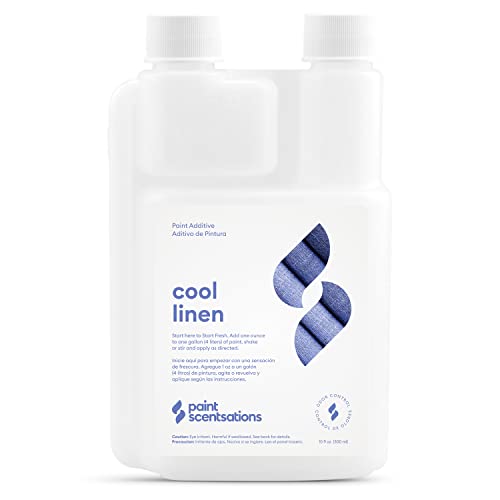
Product overview: A paint additive that introduces a room-freshening Cool Linen scent while helping control odors from common sources like cooking and pets. Mixes at a rate of 1 ounce per gallon of paint. Note that the scent will be strongest during painting and will dissipate as the paint dries.
Best for: Spaces where odor control and a pleasant fragrance are both desired in the finished room. Helpful for rental properties or occupied spaces where a subtle, unobtrusive aroma is preferred.
Why selected: Useful for odor management during the painting process without needing separate air-freshener products afterward.
Caution/limitation: Strong scent during application; buyers sensitive to fragrances may prefer odor-neutral approaches rather than perfumed additives.
Ozium Odor Eliminating Gel
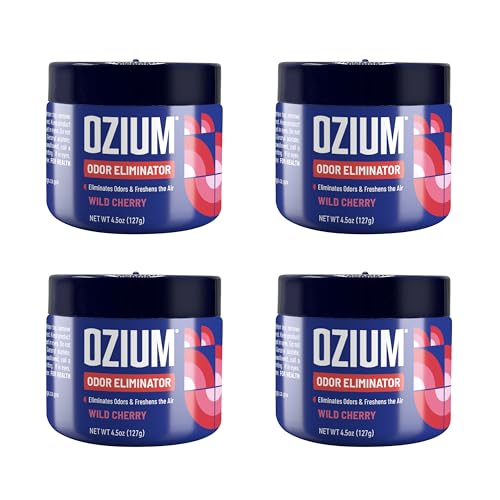
Product overview: A ready-to-use odor gel designed to tackle smoke odors and other everyday smells. Suitable for cars, homes, closets, and small spaces. Comes in a compact 4.5-ounce jar with an adjustable lid to control fragrance intensity, providing continuous odor control in confined areas.
Best for: Situations requiring a low-effort, continuous odor control solution for small areas or vehicles where smoke odors persist but painting is not immediately feasible.
Why selected: Complements painting strategies by offering an ongoing odor neutralizer for spaces that still reek after initial painting or for areas not yet repainted.
Caution/limitation: Odor control strength may vary by space; in very strong odors, painting or primer may still be required for thorough remediation.
SMELLEZE Paint Odor Absorber Pouch
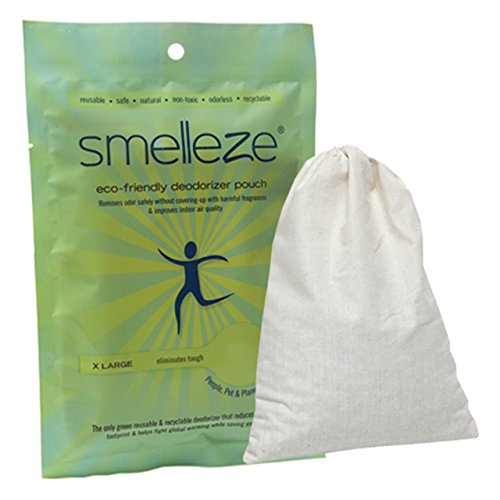
Product overview: Reusable pouches that absorb and neutralize VOCs from paint fumes, varnish, thinners, and solvents without adding fragrances. Made from non-toxic, recyclable materials and designed for reuse in direct sunlight to refresh effectiveness.
Best for: Post-painting odor control in rooms where ongoing air quality matters, especially for allergy-prone households or chemical sensitivities. Easy placement on return ducts or in painted rooms for continuous odor management.
Why selected: A non-fragrant, eco-friendly option that supports long-term odor control without altering paint color or finish.
Caution/limitation: Pouches require proper placement for maximum efficiency; effectiveness depends on room size and ventilation.
Buying Guide: How To Choose The Right Odor-Controlled Paint Products
- Assess the odor source: If odors are strong or persistent (smoke, pets, moisture-related smells), start with an odor-killing primer or an odor-blocking primer to seal odors at the source.
- Consider painting surface type: For wood, drywall, plaster, and masonry, look for primers labeled for interior surfaces with odor control and mold resistance.
- Choose between primer, paint additive, or odor absorber: Primers are best for sealing odors before paint; additives work well when you want to odor-control while applying paint; absorbers help after painting for ongoing freshness.
- Drying time and project pace: Fast-drying products enable quicker recoats, reducing overall project time—critical for occupied spaces.
- Ventilation and safety considerations: Always follow label directions, ensure proper ventilation, and consider low-VOC options for sensitive occupants.
- Finish and appearance: Matte or eggshell finishes may reveal underlying textures; test on a small area if possible to ensure a consistent look.
- Longevity of odor control: Odor absorbers or gels provide short- to medium-term relief, but primers and paints with odor-blocking chemistry offer longer-term benefits in the painted surfaces themselves.
FAQ
- Will primer alone stop smoke odors? Primers with odor-blocking chemistry can seal odors, but for deep or persistent odors, pairing with odor-removing additivess or absorbers may be necessary.
- Can I mix odor remover additives with any paint? Most odor removers are designed for compatibility with latex or oil-based paints; always follow the product label for proper mixing ratios and compatibility.
- How soon can I repaint after applying odor-control products? Many products allow recoating within 30-60 minutes to a few hours, depending on the formula; always check the label for exact times.
- Are odor-control products safe for homes with children or pets? Choose low-VOC or no-VOC formulations and products with clear safety guidelines to minimize exposure during application and curing.
- Do odor absorbers replace the need for painting? Odor absorbers help manage odor in spaces that are not yet painted or while odors persist after painting, but for comprehensive odor remediation, pairing with a primer/paint solution is often more effective.
- How do I know which product to start with? If smoke odor is strong, start with an odor-killing primer, then select a compatible topcoat. If you need a quick upgrade, odor-removal additives combined with paint can work well for smaller spaces.