If your goal is to stop rot from spreading and refresh worn or damaged wood, these paints and touch-up kits are designed to seal, protect, and improve appearance. This guide highlights five products well-suited for repairing rotted or weathered wood on furniture, doors, and trim. Best for DIY beginners, finish-focused homeowners, and professionals needing quick, low-odor solutions.
Quick comparison at a glance: This table highlights the five products chosen for rot-prone wood areas, focusing on purpose, finish, and ideal surfaces. Use it to decide which kit best matches your project needs.
| Product | Best For | Finish | Why Selected |
|---|---|---|---|
| FURRELOR Wood Touch Up Paint | Furniture, cabinets, doors | White or Black, scratch-resistant | All-in-one with built-in brush; low odor |
| Giani Wood Look Paint Kit for Doors | Exterior/Interior doors | Oak appearance; durable | Instant curb appeal in hours |
| Rust-Oleum Painter’s Touch Enamel Latex Paint | Wood surfaces indoors/outdoors | Semi-gloss Black | Versatile on multiple materials |
| SEISSO Wood Repair Kit | Repair scratches, dents, small defects | Natural wood tones | 12 colors for color-matching |
| Vigorder White Touch Up Paint | White-painted wood, trim | White, one-step finish | All-in-one with brush; minimal prep |
FURRELOR Wood Touch Up Paint

Best for: Beginners and DIY enthusiasts repairing furniture, cabinets, and doors. This kit combines paint and an integrated brush for smooth, even application, with a bonus small brush and gloves for prep-free touch-ups. The water-based formula reduces odor, making it suitable for enclosed indoor spaces.
Why selected: It provides a two-in-one solution—paint with built-in application—reducing prep time and cleanup. The low-odor, water-based formula helps minimize irritation in indoor use, while the scratch-resistant finish supports durability on worn surfaces.
Caution: Limitations include limited color options (White or Black) and the need for proper surface cleaning for best adhesion. Best used on lightly distressed or moderately damaged wood rather than deep rot repair.
Giani Wood Look Paint Kit for Doors
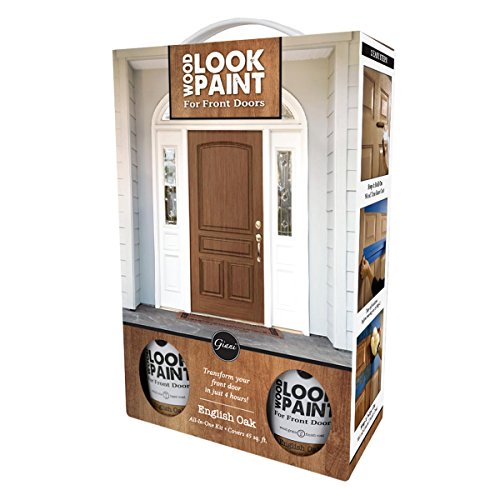
Best for: Exterior or interior doors needing a refreshed façade. The kit offers a realistic wood appearance (English Oak) and is suitable for painted steel, aluminum, and wood doors, delivering curb appeal with faster results than traditional methods.
Why selected: It focuses on door surfaces where rot issues often begin, emphasizing a durable finish that withstands daily use. The product supports both interior and exterior applications, offering versatility for rehab projects.
Caution: Not a full rot repair system; prep work and proper cleaning are still essential to ensure adhesion and longevity on damaged edges.
Rust-Oleum Painter’s Touch Enamel Latex Paint
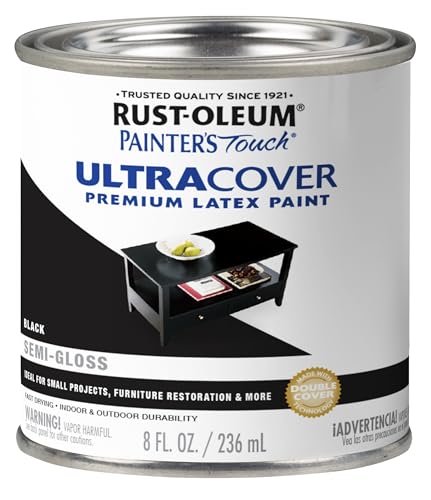
Best for: Multi-surface projects on wood, metal, plaster, masonry, or unglazed ceramic. The water-based acrylic formula is low odor and designed for quick project completion, making it a solid choice for rooms with active use.
Why selected: Its broad compatibility and quick-drying properties simplify small repairs around rotted-looking surfaces. The paint’s chip resistance helps preserve a refreshed look over time.
Caution: As a general-purpose paint, it’s not a specialized rot treatment; for seriously compromised wood, reinforce and seal underlying damage before painting.
SEISSO Wood Repair Kit

Best for: Repairing scratches, small dents, and color-matching for worn wood finishes. The kit includes 12 colors to blend with various wood tones and a tail scraper for smooth transitions.
Why selected: This set focuses on color matching and filler capability, which is helpful when rot-affected areas need color restoration after structural repairs. The kit is non-glue and designed for quick touch-ups rather than large-scale renovation.
Caution: It is a touch-up solution, not a structural rot treatment; ensure underlying moisture issues are addressed before finishing to prevent future damage.
Vigorder White Touch Up Paint
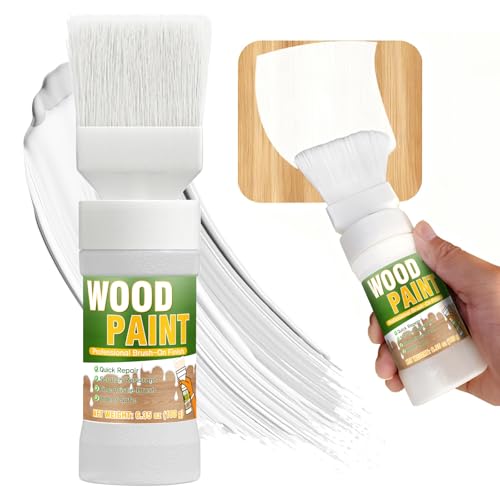
Best for: White-painted wood surfaces, trim, and cabinets requiring a one-step refresh. The all-in-one design includes a brush for simplified use and eliminates the need for sanding or priming in many scenarios.
Why selected: It offers strong adhesion across wood, metal, furniture, and baseboards, delivering a straightforward solution for quick repairs with minimal prep. The white finish helps maintain a clean, cohesive look on light-colored wood.
Caution: One coat may not fully cover heavy wear; a second coat is recommended for complete coverage. Ideal for minor touch-ups rather than deep rot remediation.
Buying Guide
What should you consider when choosing paint for rotting wood?
- Severity of rot: For obvious structural rot, consider repairing or replacing lumber, then sealing and painting the surface. For cosmetic wear, touch-up paints and fillers can restore appearance.
- Surface type: Doors, furniture, and trim require different sheens and adhesion properties. Look for products designed for wood and compatible with metals or plastics if your project mixes materials.
- Odor and indoor use: Water-based paints burn less odor, making them suitable for indoor projects with pets or children. If you work in tight spaces, low-odor options are preferable.
- Finish and color: Choose a finish that matches your decorative needs—matte for a rustic look, satin or semi-gloss for easier cleaning on doors and trim.
- Application method: Integrated brushes and one-step formulas reduce prep time but may limit color choices. For complex blends, use fillers and multiple coats.
- Durability: Consider scratch resistance and moisture resistance if the repaired area will endure frequent use or exposure to humidity.
Frequently Asked Questions
- Can you paint directly over rotten wood?
- Is water-based paint better for rotted wood?
- Should I use a wood filler before painting?
- How long should I let repairs dry before painting?
- Can these products prevent future rot?
Yes, for minor surface damage and after stabilizing the wood. Deeper rot often needs structural repair before finishing to prevent further decay.
Water-based paints have lower odor and easier cleanup, making them a common choice for indoor use. They can be less durable in extreme outdoor conditions without proper sealing.
For visible gouges or cracks, a wood filler helps achieve a smoother finish. Let the filler dry completely before sanding lightly and painting.
Follow product guidelines; generally 30 minutes to 2 hours for paints and 2–24 hours for fillers, depending on humidity and temperature.
They help seal and protect the surface, but addressing underlying moisture and ventilation is essential to prevent recurrence of rot.