If you’re choosing a ceiling finish, the best options balance stain blocking, ease of application, and odor control. This guide highlights top ceiling paint and primer combinations that work for common ceilings, from moisture-prone baths to smoke-stained rooms. Ideal buyers include DIY renovators, apartment renters updating ceilings, and homeowners seeking quick, uniform coverage. Below is a quick product snapshot to compare key choices.
| Product | Best For | Key Benefit |
|---|---|---|
| Zinsser Covers Up Ceiling Paint & Primer Spray | Stain-prone ceilings | Stain-blocking; spray-on convenience |
| Glidden Interior Latex Ceiling Paint | Everyday ceilings | Flat white finish; durable interior latex |
| Zinsser Ceiling Acrylic Paint & Primer | One-coat coverage needs | One-coat spray; low-odor |
| KILZ Stainblocking Ceiling Paint | Heavy stains | Stain blocking; interior ceiling paint |
| Zinsser PERMA-WHITE Mold & Mildew | Moisture-prone spaces | Mold & mildew resistance |
Zinsser Covers Up Ceiling Paint & Primer Spray

Type: Ceiling spray with built-in primer. Best for quick touch-ups on water and smoke stained ceilings. It provides both stain blocking and a primer base, enabling faster project completion. The flat white finish helps minimize surface texture appearance. Best for small repair tasks or DIYers who want minimal steps.
Who it’s best for: renters or homeowners needing fast, stain-blocking touch-ups on ceilings with minimal setup. Why selected: simplifies the process by combining paint and primer in one spray, reducing the number of coats and cleanup. Caution: spray application can create overspray if not masked properly.
Glidden Interior Latex Ceiling Paint, White, Flat
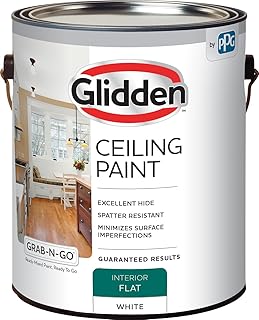
Type: Flat white interior latex ceiling paint. Best for smooth, uniform ceilings in living rooms or bedrooms. Provides a non-reflective finish that helps hide minor imperfections. Easy clean-up with soap and water. Coverage is generally solid for typical drywall ceilings.
Who it’s best for: homeowners updating standard ceilings with a straightforward paint job. Why selected: familiar brand, reliable latex formula, and a flat finish that minimizes imperfections. Caution: may require multiple coats on heavy stains or darker patches.
Zinsser Ceiling Acrylic Paint & Primer In One

Type: Ceiling spray that includes primer. Best for faster ceilings refresh with low odor. Provides one-coat coverage for many tasks and dries to the touch quickly, covering up to 15 sq ft per can under typical conditions. A good option for quick projects and light stain resistance.
Who it’s best for: DIYers who want speed and low odor in an interior project. Why selected: the combination of paint and primer reduces steps, and the low-odor formula suits living spaces. Caution: performance may vary on deep stains requiring more than one coat.
KILZ Stainblocking Ceiling Paint, Interior
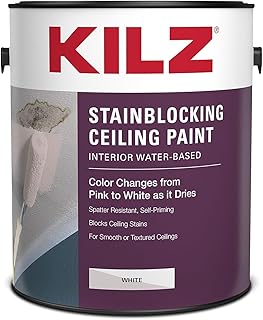
Type: Interior ceiling paint with stain-blocking properties. Best for ceilings with water marks or smoke stains. It offers solid coverage and is suitable for use on standard drywall surfaces. Provides a durable, matte finish with improved stain resistance.
Who it’s best for: homeowners with problem stains or renovations involving stained ceilings. Why selected: acknowledged stain-blocking capabilities plus straightforward interior application. Caution: exact stain blocking outcomes may depend on surface cleanliness and stain permanence.
Zinsser PERMA-WHITE Mold & Mildew Proof

Type: Interior paint with mold and mildew resistance. Best for moisture-prone spaces like bathrooms or basements. Provides a durable, eggshell finish that helps resist mildew growth when properly applied to clean surfaces.
Who it’s best for: bathrooms, laundry rooms, and basements where humidity is a concern. Why selected: specialized resistance to mold and mildew improves long-term ceiling appearance. Caution: moisture control in the room impacts performance; ensure surface is dry and clean before painting.
Buying Guide
What ceiling finish should I choose?
Flat or matte finishes minimize surface imperfections and glare. They’re common for living spaces. If you have high humidity or moisture exposure, consider paints with mildew resistance or stain-blocking properties.
Is primer necessary for ceilings?
Many ceiling paints come as paint-and-primer in one. For tough stains or historical ceilings, a dedicated stain-blocking primer can improve adhesion and hide marks before applying top coats.
Which products help with stains?
Products labeled as stain-blocking or with built-in primers are best for water, smoke, or mildew stains. Sprays can speed up small patches, while traditional paints provide broader coverage for entire ceilings.
Odor and drying considerations
Low-odor formulas reduce indoor air impact during application. Dry-to-touch times vary; plan for sections that can be re-coated after partial drying to maintain a smooth finish.
Application tips
- Prep the ceiling: clean, repair, and lightly sand as needed.
- Mask walls, trim, and fixtures to minimize overspray.
- Apply even coats and maintain a steady pace to reduce lap marks.
- Follow manufacturer drying times for best results.
Product comparison at a glance
- Best for quick touch-ups: Zinsser Covers Up Spray
- Best for everyday ceilings: Glidden Interior Latex
- Best for speed with primer: Zinsser Ceiling Acrylic Paint & Primer
- Best for heavy stains: KILZ Stainblocking Ceiling Paint
- Best for moisture zones: Zinsser PERMA-WHITE Mold & Mildew Proof
FAQ
- Q: Do ceiling paints require sanding between coats? A: Generally not, but light sanding improves adhesion if the surface is glossy or uneven.
- Q: Can I paint ceilings without a primer? A: It depends on stain resistance and surface condition; primers can enhance stain blocking and coverage.
- Q: Are spray products safer for ceilings with ventilation concerns? A: Yes, sprays can reduce brush marks but require masking and proper ventilation.
- Q: How long should I wait before touching up? A: Follow the product’s stated drying time; plan for a second coat if coverage looks uneven.
- Q: Is mold resistance important for upstairs ceilings? A: In damp spaces, mold-resistant formulations help maintain a cleaner ceiling appearance over time.