If you’re tackling a repaint or surface restoration, you need a paint and stain remover that’s effective, safer to use, and easy to apply. This guide highlights five top Amazon products that are well-suited for wood, masonry, metal, and more. Whether you’re removing multiple layers, tackling graffiti, or prepping surfaces for a fresh finish, these removers offer practical options for DIYers, painters, and property restorers. The table below summarizes who each product is best for and what to expect from them.
| Product | Best For | Key Benefit |
|---|---|---|
| Sunnyside 63432 2-Minute Remover Advanced Paint & Varnish Remover Gel | DIY and professionals on vertical or horizontal surfaces | Rapid, methylene chloride–free gel that strips multiple layers |
| Max Strip Paint & Varnish Stripper 32oz | DIYers and contractors removing varied coatings | No caustics; user-friendly application |
| Smart ‘n Easy Paint & Varnish Remover Gel | DIY projects and sensitive surfaces | Caustic-free, citrus scent, test compatibility advised |
| Sunnyside Corporation 2 Minute Remover Liquid | Quick liquid removal for small to medium jobs | Methylene chloride–free liquid formula |
| All Purpose Paint Remover Spray 22oz (Max Strip) | Multi-surface removal and overspray control | No methylene chloride or NMP; spray gel convenience |
Sunnyside 2-Minute Remover Gel, Quart
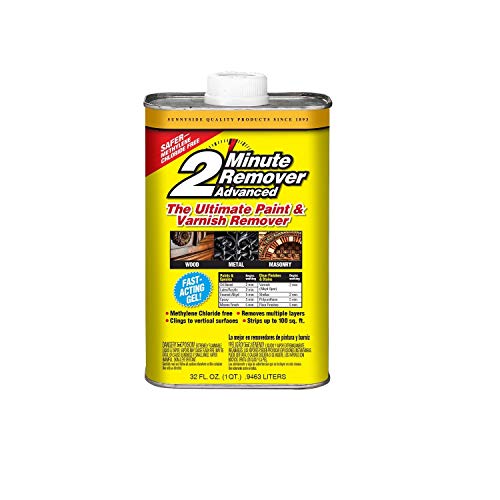
Brand: Sunnyside Corporation
Features: New, safer formula is methylene chloride free; Stripping gel removes multiple layers of paint or varnish in one application; Safe to use on vertical and horizontal surfaces; will not damage wood, metal and masonry.
Best for: DIYers and professionals who need a fast, versatile gel that works on diverse surfaces without harsh solvents. Choose this if you prefer a ready-to-apply gel that minimizes drips on vertical work.
Caution: Gel performs best when surfaces are dry and free of debris; always test on a small area first to confirm compatibility.
Max Strip Paint & Varnish Stripper 32oz
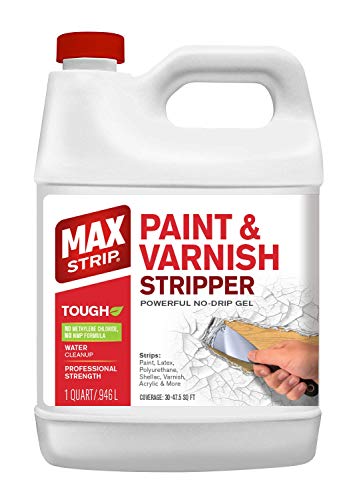
Brand: Max Strip
Features: Removes paint and varnish from multiple surfaces in typically a single application; does not contain methylene chloride or NMP; apply, check every 15 minutes, then remove with scraper; suitable for DIYers and professionals.
Best for: Projects with layered coatings on wood, metal, masonry, or plaster where a noncaustic, user-friendly stripper is preferred. Opt for this if you want a versatile remover that’s easy to apply and monitor over time.
Caution: Performance varies by coating type; test timing on your specific surface to avoid over-softening or damage.
Smart ‘n Easy Paint & Varnish Remover Gel

Brand: Safe ‘n Easy
Features: Test before use; Removes acrylic, latex, oil & water-based paints and varnishes typically in a single application; DIY-friendly for wood furniture, cabinets, decks, brick, plaster, fiberglass, tile, and more; water-based and caustic-free with citrus scent.
Best for: DIY projects involving delicate surfaces or users seeking a low-toxicity remover with a pleasant smell. Choose this when you want a safer, citrus-scented option that’s still effective on multiple coatings.
Caution: Always perform a small patch test to avoid surface discoloration on certain coatings or finishes.
All Purpose Paint Remover Spray 22oz (Max Strip)
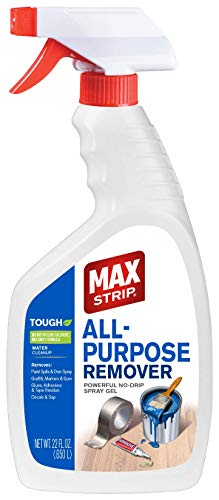
Brand: Max Strip
Features: No drip spray gel format; fast-acting without caustic chemicals like methylene chloride and NMP; multi-surface use on metal, brick, concrete, tile, glass, stone, wood, plaster, and fiberglass; removes overspray, graffiti, and dried paint.
Best for: Home improvement projects needing a spray-on remover with broad surface compatibility. Choose this if you want spray convenience and a safer chemical profile for indoor use.
Caution: Spray formulations can over-penetrate on very porous surfaces; test on a hidden area if unsure.
Buying Guide
What To Consider When Choosing A Paint And Stain Remover
- Surface compatibility: Wood, metal, masonry, brick, plaster, tile, and fiberglass respond differently. Look for a remover that lists your surface type.
- Coating types: Check whether the remover works on acrylic, latex, oil-based, polyurethane, shellac, varnish, and stains. Some formulas are better for certain coatings.
- Chemical safety: If you prefer noncaustic options, verify methylene chloride-free and NMP-free formulas. Consider water-based options for indoor use and ease of cleanup.
- Application method: Gel vs liquid vs spray; gels reduce drips on vertical surfaces, liquids may cover larger flat areas, and sprays can ease spotwork but may require masking nearby areas.
- Working time and monitoring: Some products require 10–15 minutes; others work in as little as 2 minutes. Always follow the tested intervals and perform spot tests first.
- Cleanup method: Scrapers, brushes, or wipes will vary by formula. Ensure you have appropriate tools ready for removal after the chemical softens the coating.
Practical Scenarios
- Repairing old wood surfaces: A methylene chloride–free gel that’s safe for wood is ideal.
- Restoring masonry or concrete: A multi-surface remover that’s effective on paint and varnish layers can save time.
- DIY projects on furniture: A citrus-scented, caustic-free remover helps with indoor projects and reduces irritation risk.
FAQ
- What is the safest paint remover for indoor use? Look for methylene chloride–free and NMP-free formulas, preferably water-based for easier cleanup.
- Can I use these removers on painted walls? Yes, most removers target acrylic, latex, oil-based paints, and varnishes; test a small area first.
- Do gel removers work on multiple layers? Many gels are formulated to strip several layers in a single application when kept wet for the recommended time.
- How long should I wait before scraping after applying? Follow the product’s suggested waiting period, typically 10–15 minutes, checking progress periodically.
- Are these products safe on wood? Many removers state they will not damage wood when used as directed; always perform patch testing first.
- Is a spray remover better than a gel? Sprays offer easy application on flat areas and overspray control, while gels minimize dripping on vertical surfaces.