Find the right oil to treat wood surfaces such as cutting boards, butcher blocks, furniture, and countertops. This guide highlights practical options for food-grade boards, durable finishes, and easy maintenance. Best for kitchen use, outdoor furniture, or restoration projects, these picks help prevent cracking, enhance grain, and extend life. Concrete, user-friendly choices are shown with who they’re best for and why. A quick buyer’s table follows to compare core details at a glance.
| Product | Best For | Why It Stands Out |
|---|---|---|
| Kate Naturals Mineral Oil for Wood | Cutting boards and utensils | Food-grade, absorbs with no residue |
| Thirteen Chefs Mineral Oil 12oz | Block surfaces and countertops | Food-grade, easy application, protective |
| Thirteen Chefs Mineral Oil 8oz | Small boards and daily maintenance | Push-cap design, simple upkeep |
| NetLea Tung Oil 17oz | Indoor/outdoor furniture and floors | Pure tung oil, plant-based, durable finish |
| CLARK’S Cutting Board Oil | Cutting boards with citrus scent | Mineral oil with lemon/orange oils |
Kate Naturals Mineral Oil for Wood Cutting Boards

Best for: Home cooks who maintain wooden cutting boards and utensils. This oil is food-grade, colorless and odorless, and designed to absorb into wood rather than leaving a greasy film. It helps restore dry boards and prevent cracking on boards, utensils, and rolling pins. Suitable for bamboo, teak, acacia, olive wood, and hardwood boards. Caution: ensure any strong scent or flavor transfer does not affect sensitive foods.
Thirteen Chefs Mineral Oil 12oz

Best for: Larger cutting surfaces and butcher blocks needing ongoing protection. This food-grade conditioner is designed to prevent cracking and drying, with a user-friendly push-applicator cap. It can also refresh kitchen knives and appliances. Limitation: apply generously and let sit for several hours to maximize absorption.
Thirteen Chefs Mineral Oil 8oz

Best for: Everyday maintenance on small to medium boards and counters. This mineral oil conditioner is lab-tested for food safety and comes in a convenient squeeze-bottle format. It protects against cracking and drying and is easy to apply. Limitation: like all mineral oil finishes, it does not polymerize to form a hard film, so periodic reapplication is needed for high-use surfaces.
NetLea Tung Oil 17oz
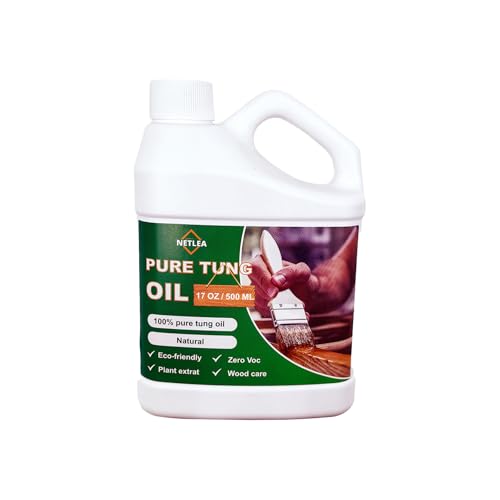
Best for: Indoor and outdoor wood projects that require a durable, natural finish. This 100% pure tung oil is plant-based and VOC-free, penetrating wood fibers to form a protective, water- and alcohol-resistant layer. Choose this if you want a traditional hand-rubbed look with strong grain enhancement. Limitation: tung oil cures slowly and requires multiple coats for best protection.
CLARK’S Cutting Board Oil

Best for: Those who want a citrus-scented mineral oil option for cutting boards and utensils. This oil uses orange and lemon oils alongside food-grade mineral oil for nourishment and a fresh kitchen aroma. Limitation: citrus oils may be more aggressive on certain finishes; apply to test area first if preserving darker woods.
Buying Guide: How to Choose The Right Wood Oil
What is your main use? For food-contact surfaces, prioritize food-grade mineral oils that absorb well and leave no residue. For furniture or outdoor wood, consider tung oil or a linseed oil blend for deeper penetration and longer wear. How often will you reapply? Mineral oil finishes typically require more frequent maintenance on high-use boards, while tung oil offers deeper protection but takes longer to cure. Is odor important? Some blends carry citrus scents that can be refreshing in kitchens, while odorless options reduce flavor transfer to foods.
Key considerations
- Food safety: essential for cutting boards and utensils.
- Finish type: mineral oil vs. tung oil vs. linseed oil blends.
- Application method: squeeze bottles, push caps, or simple rub-in oils.
- Protection level: how well they resist moisture and wear.
- Ease of maintenance: how quickly oil absorbs and how long between applications.
Practical comparison questions
- Do I need a colorless, tasteless oil for food surfaces?
- Is a citrus-scented finish acceptable for my kitchen?
- Will I be finishing indoor furniture or outdoor wood?
- How much maintenance am I willing to perform over time?
Maintenance tips
- Clean wood surfaces before applying any finish.
- Apply thin coats and wipe off excess to prevent tackiness.
- Allow sufficient curing time between coats for best durability.
- Reapply as surfaces begin to look dry or dull.
FAQ
- What is the best oil for cutting boards? A food-grade mineral oil is widely recommended for its safety and absorption properties.
- How often should I oil a cutting board? High-use boards may require monthly maintenance; less-used boards can be done every few months.
- Can tung oil be used on all wood types? Tung oil works well on many hardwoods but may darken some woods and takes longer to cure.
- Is citrus-scented oil safe for all foods? Yes for most boards, but test on sensitive foods if flavors are a concern.
- Do these oils protect against water damage? Mineral oils provide lubrication and protection; tung oil adds a durable barrier once cured.
- Should I mix oils? Mixing is not necessary; pick a finish based on your needs (absorption, scent, durability).