Answering the question, which oil finish is best for wood furniture, this guide highlights five top options that balance protection, ease of use, and natural look. Each product suits different wood needs—from fast-drying stains to penetrating oils for a warm, hand-rubbed finish. This selection is ideal for DIYers, hobby furniture makers, and wood repair projects seeking durable results without complex application. The buyer intent table below helps compare core features at a glance.
Product snapshot
| Product | Best For | Key Benefit | Notes |
|---|---|---|---|
| Varathane Premium Fast Dry Wood Stain | Cabinets, furniture, trim | One-coat coverage, dries in 1 hour | Oil-based; interior use |
| MOLLOR Wood Stain & Sealer in One | DIYers, indoor/outdoor projects | No primer/top coat required | Water-based, low odor |
| HOPE’S 100% Pure Tung Oil | Fine woods, heirloom pieces | Penetrating, flexible finish | Food-safe, natural |
| LinSheen Boiled Linseed Oil | Restoration & conditioning | Fast-drying, grain enhancement | Boiled oil with drying solvents |
| Tried & True Original Wood Finish | All woodwork, traditional finishes | Oil and wax blend, durable | Indoor use, non-toxic |
Varathane Premium Fast Dry Wood Stain

Brand: Varathane. Features include interior wood use for furniture, cabinets, doors, and trim with one-coat coverage. The oil-based formula dries to the touch in about 1 hour and covers up to 70 square feet, making it a fast option when time is a factor. This product is best for projects where a quick, uniform color change is desired and a durable finish is needed in a single coat. A potential limitation is odor and longer cure times for some indoor spaces.
Who it’s best for: Homeowners refinishing furniture with a need for speed and uniform color. Why chosen: It provides a reliable, fast-drying option with good coverage for interior wood projects.
Caution: Oil-based formulas may require good ventilation and longer cure times for heavy-use surfaces.
MOLLOR Wood Stain & Sealer In One

Brand: Mollor. This water-based stain doubles as a sealer and does not require a separate primer or top coat. It deeply penetrates wood while forming a protective film, boosting hardness to resist scuffs. Low odor and non-toxic properties make it suitable for indoor use, including kitchens and bedrooms, and it’s also described as workable for outdoor applications. The main trade-off is that water-based formulas can raise grain on some open-pored woods if not prepped.
Who it’s best for: DIYers seeking a simple, all-in-one solution with indoor and outdoor versatility. Why chosen: Combines staining and sealing in one step with low odor and safer indoor use.
Caution: May require light sanding between coats for best results on certain woods.
HOPE’S 100% Pure Tung Oil

Brand: HOPE’S. Tung oil is a natural option that penetrates deeply into wood fibers, yielding a hand-rubbed, flexible finish. It forms a durable seal that resists moisture, alcohol, and everyday wear. It’s often favored for fine wood and heirloom projects for a natural look. It is food-safe and cures to a solid, non-oily film. A caveat is that tung oil typically requires more time and multiple coats for a higher level of protection.
Who it’s best for: Craftsmen and hobbyists seeking a natural, penetrating oil with a long-lasting, hand-rubbed aesthetic. Why chosen: Deep penetration and flexible finish create a durable, authentic look.
Caution: Requires patience and multiple applications for ultimate protection; some projects may need polishing between coats.
LinSheen Boiled Linseed Oil
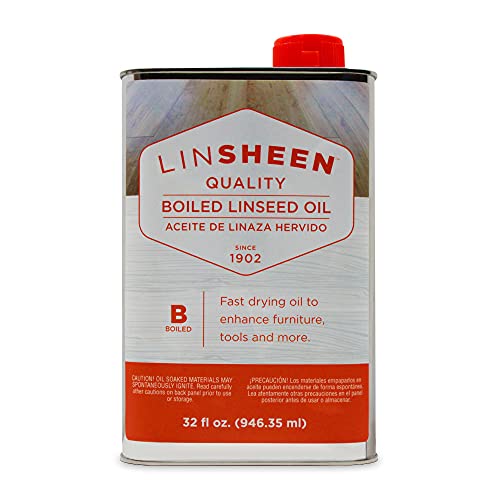
Brand: LinSheen. This boiled linseed oil improves wood grain texture and color while conditioning the wood. It uses drying solvents to speed up the drying process, offering a practical alternative to raw linseed oil. It’s suitable for both indoor and outdoor applications where a natural finish is desired. It’s important to note the difference between boiled and raw linseed oil in drying behavior and application needs.
Who it’s best for: Those restoring or rejuvenating wood with a natural look and quick-drying requirement. Why chosen: Quick-drying linseed oil with grain-enhancing properties.
Caution: Boiled linseed oil contains drying solvents; ensure proper ventilation and follow safety guidance for solvent-based products.
Tried & True Original Wood Finish

Brand: Tried & True. A time-tested blend of linseed oil and beeswax, this finish offers a warm appearance with durable protection against water and everyday use. It cures efficiently without toxic drying aids and is safe for indoor use. The finish is known for ease of touch-ups and repair without stripping the wood. It’s particularly suitable for heirloom projects requiring a traditional oil-and-wax look.
Who it’s best for: Traditionalists and woodworkers seeking a natural, historic finish that’s repair-friendly. Why chosen: Durable, easy to touch up without stripping, ideal for heirloom pieces.
Caution: May require longer curing in high-humidity environments; apply in thin coats for best results.
Buying Guide: Key Considerations For Oil Finishes
- Wood type and use: For interior furniture, consider oil-based stains for color and protection or penetrating oils for a natural look. Outdoor pieces benefit from finishes with UV resistance and longer wear.
- Drying time vs. cure time: Fast-drying products save time but may require multiple coats for durability. Penetrating oils cure gradually and often require maintenance.
- VOC and odor: Water-based formulas offer low odor and lower VOCs, suitable for living spaces. Oil-based finishes typically have stronger odor and longer cure times.
- Finish look: Wax blends yield a soft, hand-rubbed glow; pure oils provide a natural, matte sheen; stains alter wood color while sealing in.
- Maintenance and repairs: Some finishes allow easy touch-ups without stripping; others may require reapplication of the entire finish.
Practical Questions And Answers
- Q: Do I need a primer when using oil finishes? A: Some water-based stains include primer-like behavior; oil-based stains usually don’t require primer but follow product directions.
- Q: Which finish is best for kitchen cabinets? A: A fast-drying stain or penetrating oil with good wipe-on control; consider low-odor options if the space is occupied.
- Q: How long should I wait between coats? A: Follow the product’s tack-free time and recoat recommendations; some may require 1 hour, others longer for full cure.
- Q: Can these finishes be used outdoors? A: Some products are suitable for outdoor use or renewal; check UV resistance and sealing properties for exterior projects.
- Q: Is tung oil food-safe after curing? A: Pure tung oil can be considered food-safe when fully cured, but always confirm with the manufacturer’s guidance for items that contact food.
- Q: Which finish is best for restoring grain on old wood? A: Linseed or tung oil-focused finishes enhance grain depth; wax finishes can also emphasize warmth with easier repairability.