The best oil-based deck stain color depends on how much natural grain you want to show, the existing wood tone, and the look you want outdoors. Cedar and redwood shades add warm color, light oak and natural tones keep the deck closer to a pale wood appearance, and solid or semi-solid browns provide more coverage. These five options include different color families and opacity levels so you can compare them by appearance and use.
| Product | Listed Color | Best For |
|---|---|---|
| Armstrong-Clark | Cedar Semi-Transparent | Warm color with visible grain |
| Ready Seal | Redwood | A deeper red-toned appearance |
| Ready Seal | Natural Light Oak | A lighter, natural-looking color |
| Cabot | Solid Color | More uniform, pigmented coverage |
| Cabot | Cordovan Brown Semi-Solid | Brown color with some grain concealment |
Armstrong-Clark Cedar Semi-Transparent

This cedar-toned, semi-transparent stain is best for homeowners who want a warm deck color while retaining a view of the wood grain. Its listed color is Cedar Semi-Transparent, a useful middle ground between a lightly tinted natural finish and a more opaque solid stain.
Armstrong-Clark describes the product as a penetrating oil-based stain. Conditioning oils penetrate wood fibers, while drying oils lock in protection. The product is designed for exterior wood, including decks, fences, siding, logs, outdoor furniture, and docks. Listed protection includes resistance to UV exposure and water intrusion.
- Best for: A warm cedar look with visible grain.
- Why choose it: The semi-transparent finish and penetrating formula suit buyers who do not want a fully covered appearance.
- Maintenance note: The manufacturer describes maintenance coats as cleaning and reapplication, typically without extensive sanding, stripping, or media blasting.
Choose this if a cedar color fits your exterior and you want the wood’s character to remain part of the finished look. Avoid it if your priority is hiding discoloration or creating a uniform solid-color surface.
Ready Seal Redwood Exterior Stain

Ready Seal Redwood is best for buyers seeking a pronounced red-toned color for exterior wood. The listed color is Redwood, and the product combines stain and sealer for decks, fences, siding, and other outdoor wood projects. Its features describe a “Goof Proof” formula that does not require back brushing and is intended to avoid laps, runs, and streaks.
The product information also lists moisture resistance and UV protection. It says the finish resists cracking, chipping, flaking, and peeling, and that the applied surface can withstand rain within minutes. It can also be applied in direct sunlight, according to the supplied product details.
- Best for: A warm, red-leaning deck color and straightforward application.
- Why choose it: Redwood offers a distinct color direction, while the no-back-brushing claim may appeal to buyers who want a simpler application process.
- Color caution: The final appearance can depend on the existing wood color and condition; check the label and test a small area before treating the full deck.
Choose this if you want a redwood color and value the listed application features. It is a less suitable choice if you are aiming for a pale oak or neutral, lightly tinted appearance.
Ready Seal Natural Light Oak
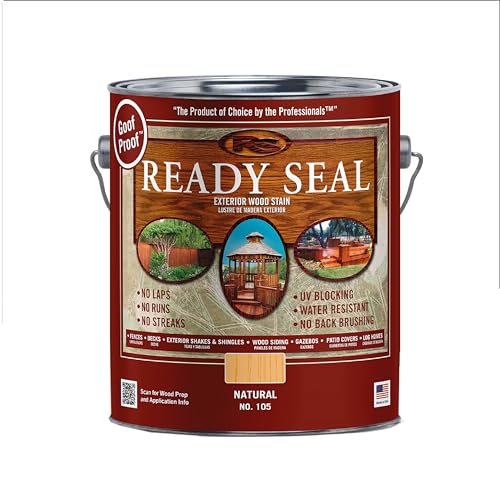
Ready Seal Natural Light Oak is best for people who want a lighter color direction than redwood or dark brown. The product is listed as a stain and sealer for exterior wood projects, including decks, fences, and wood siding. Its Natural Light Oak name makes it a useful option to compare when the goal is a softer, less red-toned deck appearance.
According to the product features, the formula does not require back brushing and is designed to reduce runs, streaks, and lap marks. The listed performance features include moisture resistance, UV protection, and resistance to cracking, chipping, flaking, and peeling. The product information also says it can be applied in direct sunlight and can withstand rain within minutes of application.
- Best for: Buyers looking for a light oak color rather than a deep red or brown.
- Why choose it: It offers a named lighter color and the same stated application approach as other Ready Seal colors.
- Limitation: “Light Oak” does not guarantee an identical appearance across different wood species or previously stained surfaces.
Choose this if you want a lighter-looking deck and the existing wood can support that color goal. Compare a small test area with nearby siding, trim, or outdoor furniture before applying it broadly.
Cabot Solid Color Decking Stain

Cabot Solid Color Decking Stain is best for buyers who prefer a more uniform, strongly pigmented appearance over a transparent wood-grain effect. The product details state that oil-based formulas are available and describe the stain as richly pigmented for extra UV protection. Its scuff-resistant finish is made to be walked on, which makes it relevant to people choosing a finish for deck boards.
Unlike a semi-transparent color, a solid stain is generally selected when coverage and color consistency matter more than displaying natural grain. The supplied features do not identify a specific shade for this listing, so check the available color selection and product label before purchasing.
- Best for: A more opaque, pigmented deck appearance.
- Why choose it: The listed features emphasize rich pigmentation and a scuff-resistant finish intended for foot traffic.
- Limitation: A solid color is not the right match if your main goal is to showcase the wood grain.
Choose this if you want stronger visual coverage and are comfortable with a more painted-looking result. Verify the exact color and whether the selected formula is oil-based, since the listing says oil-based formulas are available rather than naming one specific formula.
Cabot Cordovan Brown Semi-Solid

Cabot Cordovan Brown Semi-Solid is best for buyers who want a substantial brown color but do not necessarily want a fully solid finish. Its product details say the semi-solid stain hides some wood grain and forms a stronger weather barrier. The listed color, Cordovan Brown, suits buyers comparing deeper, more traditional brown tones.
The product is described as an oil-based stain and sealer with waterproofing. The supplied features also mention a mold- and mildew-resistant finish, resistance to lapping, peeling, scuffs, and scratches, and a one-coat application. Because it conceals some grain, it sits between a transparent stain and a solid-color option in the appearance comparison.
- Best for: A rich brown look with some, but not all, grain hidden.
- Why choose it: It combines a named brown shade with semi-solid coverage and stated weather-protection features.
- Limitation: It will not preserve as much visible grain as a transparent or semi-transparent stain.
Choose this if a deeper brown suits the deck and you want more coverage than a lightly tinted finish. Avoid it if the natural grain is the main feature you want to display.
Buying Guide: How to Choose an Oil-Based Deck Stain Color
How much wood grain should the stain show?
Start by choosing the desired opacity, not just the color name. Transparent and semi-transparent stains generally allow more of the wood’s natural pattern to remain visible. Semi-solid products conceal more grain, while solid-color stains are intended to provide a more uniform appearance. The product details here identify Armstrong-Clark Cedar as semi-transparent, Cabot Cordovan Brown as semi-solid, and Cabot Decking Stain as solid color.
Opacity affects how the finished deck looks and how strongly the coating changes the character of the boards. If the boards have attractive grain and a fairly consistent tone, a more transparent appearance may suit them. If the surface has mixed colors or visible variation, a more opaque category may be preferable, but stain should not be assumed to conceal every defect.
Which color family fits your home?
- Cedar: A warm, familiar wood tone. Compare Armstrong-Clark Cedar if you want a semi-transparent option.
- Redwood: A red-leaning choice. Ready Seal Redwood is the listed option in this group.
- Natural Light Oak: A lighter direction for buyers avoiding deep red or brown tones.
- Cordovan Brown: A deeper brown choice with semi-solid coverage.
- Solid color: A category to consider when a more consistent, pigmented look matters more than visible grain.
Color names are useful for narrowing a selection, but they are not exact color guarantees. Existing wood tone, species, age, prior coatings, surface preparation, and lighting can affect the appearance. Use a small test area when possible, and judge it after it has dried according to the label instructions.
Does the listing confirm an oil-based formula?
Check the exact product label and selected formula before buying. Armstrong-Clark’s supplied description explicitly calls its product oil-based. Cabot Cordovan Brown is also described as oil-based, while the Cabot solid-color listing says oil-based formulas are available. The supplied Ready Seal feature descriptions focus on application and protection but do not explicitly identify the base, so confirm the current label rather than assuming it.
This distinction matters because product chemistry can affect application instructions, cleanup, recoat timing, and suitability over an existing coating. Follow the manufacturer’s directions for preparation and application, especially when the deck has previously been stained or sealed.
How should you compare maintenance and application claims?
Look at the stated maintenance approach alongside the appearance. Armstrong-Clark says maintenance coats typically involve cleaning and reapplication without extensive sanding, stripping, or media blasting. Ready Seal highlights application without back brushing and claims resistance to runs, laps, and streaks. Cabot Cordovan Brown lists a one-coat application. These are product-specific claims, not guarantees for every deck or application condition.
Before choosing, check the full instructions for surface preparation, coverage, drying conditions, and reapplication. Do not use a color preference alone to decide whether an old finish can be coated. Existing coatings may need preparation or removal as directed by the manufacturer.
What should you check before buying?
- Confirm the exact shade and opacity on the product label.
- Check whether the product is explicitly identified as oil-based.
- Compare the color with the wood’s current tone using a test application where possible.
- Review the instructions for preparation, application conditions, and maintenance.
- Make sure the product is intended for the surface you are coating, such as deck boards or other exterior wood.
- For larger projects, estimate the required quantity using the product’s stated coverage rather than relying on color alone.
Frequently Asked Questions
Which deck stain color is best for showing wood grain?
A transparent or semi-transparent stain is generally the better category for showing grain. Armstrong-Clark Cedar is listed as semi-transparent, while the Cabot semi-solid and solid options provide more coverage.
Is cedar or redwood stain more red?
Redwood is the more explicitly red-leaning color name in this selection. Cedar is also a warm wood tone, but the final appearance depends on the product and the underlying wood.
Does Natural Light Oak guarantee a pale finish?
No. Natural Light Oak indicates the listed color family, but existing wood tone, species, preparation, and application can change the result. Test a small area before coating the full deck.
What is the difference between semi-solid and solid stain?
A semi-solid stain hides some grain, according to the Cabot product details. A solid-color stain is the more opaque choice for a uniform, pigmented appearance.
Can oil-based deck stain be applied in direct sunlight?
Some listed products state that they can be applied in direct sunlight, including Armstrong-Clark and Ready Seal. Always follow the specific product label for temperature and application conditions.
Should I choose color or opacity first?
Choose opacity first if preserving or concealing grain is important, then narrow the color family. This prevents selecting a shade that looks right by name but has the wrong level of coverage for the deck.


