When choosing an exterior wood stain that is non-toxic, you want products that protect against moisture and UV damage while minimizing indoor air quality concerns. The top picks below are well-suited for DIYers and homeowners seeking safer, low-odor finishes for decks, fences, furniture, and garden structures. Each option emphasizes a non-toxic or low-VOC formula and durable protection for outdoor use.
The following table highlights five standout products, their primary use, and the type of buyer they suit best.
| Product | Ideal For | Key Benefit |
|---|---|---|
| Vermont Natural Coatings PolyWhey Exterior Penetrating Stain | Eco-conscious homeowners | Biobased formula with whey co-binder for deep penetration |
| Furniture Clinic Wood Stain – Dark Oak | Indoor & outdoor furniture projects | Water-based, quick-drying, low odor |
| Mollor Wood Stain, 16 Oz | DIYers seeking no-primer finish | Stain and sealer in one, low VOC |
| DWIL Wood Stain and Sealer in One (Peach Wood) | Decks and outdoor wood furniture | Fast-drying, water-based, dual action |
| SaverSystems #1 Deck Premium Stain & Sealer | Decks, fences, and siding | Semi-transparent with UV protection |
Vermont Natural Coatings PolyWhey Exterior Penetrating Stain

Best for eco-minded projects that require a deep-penetrating finish. This stain uses whey protein as a co-binder to deliver color and water resistance while leveraging renewable resources. It forms a non-toxic, waterproof barrier that protects wood against moisture and UV rays, helping to prevent rot and decay. Ideal for exterior decks, fences, or siding where safety and environmental impact matter most. Caution: finish appearance and longevity may vary with species and surface prep.
Furniture Clinic Wood Stain – Dark Oak

Best for indoor and outdoor furniture that needs a fast-drying, low-odor finish. This water-based stain penetrates evenly and dries to a natural matte look in about 10 minutes. It’s available in multiple colors, offering practical color options for re-staining outdoor tables, chairs, or garden furniture without strong fumes. Choose this if you want quick results with minimal odor. Limitation: color depth can vary with wood type and application method.
Mollor Wood Stain, 16 Oz

Best for DIY projects that want a stain and sealer in one. Mollor combines deep penetration with a protective surface film, boosting hardness to resist scuffs. It is non-toxic, low odor, and water-based, making it suitable for indoor use on furniture as well as outdoor wood surfaces like decks and fences. Consider this option when you want a single product to handle both staining and sealing tasks. Caution: performance may vary in extreme weather without proper surface preparation.
DWIL Wood Stain and Sealer in One (Peach Wood)

Best for decks and outdoor furniture requiring a waterproof, UV-protective finish with fast drying. This semi-transparent stain provides color depth while sealing against moisture. It’s suitable for a variety of exterior wood projects and emphasizes quick usability. Better for projects where sun exposure and moisture are ongoing concerns. Limitation: color consistency may vary with wood porosity and age.
SaverSystems #1 Deck Premium Stain & Sealer
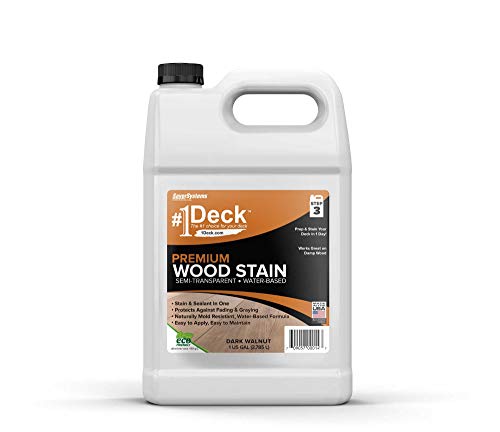
Best for decks, fences, and siding that require a durable, semi-transparent finish with solid UV protection. The water-based formula delivers a natural look while sealing wood against the elements. It’s a strong pick for exterior projects where you want to preserve grain and color with a protective layer. Limitation: may require multiple coats for deeper color or longer-lasting protection depending on climate.
DWELLING Buying Guide: Exterior Wood Stain Essentials
What should I consider when choosing a non-toxic exterior wood stain?
- Formula and safety: Look for water-based, low-VOC, or plant-based binders. Non-toxic claims are most credible when accompanied by clear ingredient lists and absence of strong solvents.
- Protection level: Decide between penetrating stains (more natural look) and surface sealers (more durable moisture barriers). Semi-transparent options typically balance color with grain visibility.
- Wood type and climate: Softer woods and high-humidity areas benefit from deeper penetration and UV resistance. Sunny, coastal, or rainy environments require robust water repellency.
- Application and dry times: Fast-drying formulas reduce project time but may require more frequent reapplication. Consider whether easy recoat or simple maintenance fits your schedule.
- Odor and indoor use: If applying near living spaces, prioritize low-odor and non-toxic options to minimize fumes and VOC exposure.
How to choose between stains that include a sealer in one?
- Stain-and-sealer in one products are convenient for DIY projects with limited time. They offer easier application but may trade some long-term durability for simplicity.
- Separate stain and sealer often deliver stronger water resistance and longer-lasting protection, especially in extreme climates, but require an extra step.
Maintenance tips for best results:
- Prepare surfaces by cleaning and sanding for even color penetration.
- Test a small area to confirm color and finish before full-scale application.
- Follow manufacturer’s recoat recommendations to maintain UV protection and moisture resistance.
- Consider annual inspections of high-wear areas like decks and railings, and reapply as needed for continued protection.
Frequently Asked Questions
- What is the safest exterior wood stain for pets and kids?
Look for water-based formulations with low VOCs and non-toxic labeling. Always read the ingredient list and use products designed for outdoor use with minimal fumes. - Can non-toxic stains be used on all wood types?
Most non-toxic exterior stains work well on common woods like pine, cedar, and spruce, but penetration and color may vary with species and wood porosity. - Do I need a primer for exterior wood staining?
Many stains and sealers are designed to be applied without primer, especially water-based formulas. For bare, soft, or heavily weathered wood, primer can improve color uniformity and adhesion. - How often should exterior stains be re-applied?
Reapplication intervals depend on climate, exposure, and product type. In high UV or wet areas, every 2–4 years is common; in milder conditions, 3–6 years may suffice. - Is a semi-transparent stain better than a solid color?
Semi-transparent stains emphasize natural grain and provide lighter color, while solid or opaque stains offer more color coverage and stronger coverage but less grain visibility.