Looking for the best natural oil to protect and enhance wood finishes? This guide focuses on food-safe mineral oils, plant-based oils, and traditional wood finishes that penetrate or seal wood without harsh chemicals. The top picks are ideal for cutting boards, butcher blocks, furniture, and utensils. Each product is suited for different needs: food-safe protection, durable finishes, quick cures, or aromatic conditioning. Below is a quick summary of the chosen products to help you compare at a glance.
| Product | Type | Best For |
|---|---|---|
| Kate Naturals Mineral Oil | Food-grade mineral oil | Cutting boards, utensils |
| Tried & True Original Wood Finish | Linseed oil & beeswax blend | All woodwork, durable finish |
| CARON & DOUCET Natural Wood Conditioning Oil | Plant-based conditioning oil | Dry or dull wood, furniture |
| Thirteen Chefs Mineral Oil (12 oz) | Mineral oil conditioner | Cutting boards, countertops, blocks |
| HOPE’S Tung Oil | Tung oil finish | Deep, durable wooden finishes |
Kate Naturals Mineral Oil For Wood

Best for: Home cooks and DIY enthusiasts who need a food-safe, odorless oil for cutting boards, utensils, and wooden surfaces. Why selected: It is a colorless, tasteless oil that soaks into wood with no greasy residue, meeting food-safety standards. Use to refresh dull boards and protect against cracking. Caution: Avoid leaving a surface overly oily; follow app directions for best absorption and wipe excess.
Tried & True Original Wood Finish

Best for: Wooden furniture and cabinetry that require a durable, warm finish. Why selected: A proven linseed oil and beeswax blend delivers a soft, warm appearance and long-lasting protection against water and wear. It cures efficiently without toxic drying aids. Caution: Requires curing time; ongoing maintenance may be needed to refresh the finish over years.
CARON & DOUCET Natural Wood Conditioning Oil
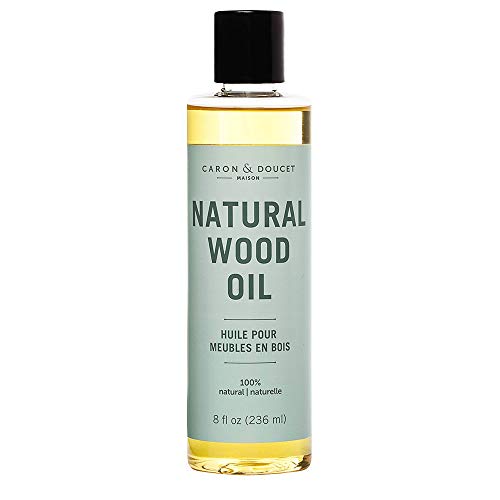
Best for: Restoring dry or dull wood finishes with a plant-based option. Why selected: 100% plant-based coconut oil formulation that avoids petrochemicals, lightly scented with orange essential oil for a fresh aroma. Caution: Natural oils may require more frequent reapplication on high-use wood items to maintain luster.
Thirteen Chefs Mineral Oil (12 oz)

Best for: Routine maintenance of cutting boards, countertops, and butcher blocks. Why selected: Lab-tested food-grade mineral oil with a user-friendly push-applicator and a quick 4-hour setting. Caution: May require more frequent reapplication on very dry or heavily used surfaces.
HOPE’S 100% Pure Tung Oil

Best for: Deep, durable finishes on fine wood furniture and cabinets. Why selected: Tung oil penetrates fibers for a flexible, long-lasting finish that resists moisture and daily wear. Caution: Tung oil can have a longer cure time than mineral oil products; ensure proper curing for best results.
Buying Guide
What should I consider when choosing a natural wood oil?
Consider the wood type, usage, and desired appearance. Mineral oils are food-safe and easy to reapply, while plant-based oils and tung oil provide deeper penetration and enhanced durability. For food-contact surfaces, choose a product specifically labeled food-safe.
Is a resin-free finish better for furniture?
Yes, plant-based oils like linseed, tung, or beeswax blends can deliver a warmer look and better protection for furniture. They may require periodic maintenance to preserve luster and prevent drying or cracking.
How often should I reapply?
Usage patterns vary. Cutting boards and utensils often benefit from monthly or bi-monthly applications. Furniture and cutting boards exposed to daily use may require more frequent touch-ups, especially in dry climates.
What about odors and residues?
Many products are formulated to be odorless or lightly scented for indoor use. If you dislike odors, choose colorless and tasteless mineral oils or unscented blends. Apply in a well-ventilated area and wipe off any excess.
Are there safety considerations?
For foods surfaces, rely on food-grade oils. Pure tung oil offers deep penetration and durability but follow curing times and usage guidelines to achieve the best results. Avoid mixing products with conflicting directions without guidance.
Maintenance tips
- Wipe surfaces clean before oiling to remove dust and grime.
- Apply thin coats and rub in thoroughly, allowing absorption to complete between coats.
- Avoid over-application on porous woods to prevent a sticky feel.
FAQ
- What is the most food-safe wood oil?
Mineral oil products labeled as food-grade are typically the safest option for cutting boards and utensils.
- Can I use tung oil on kitchen items?
Yes, tung oil provides durable, deep finishes for furniture and some kitchen surfaces, but curing times must be observed.
- How do I know when to reapply?
Reapply based on usage and wood dryness. If the wood looks dry or dull, a fresh coat is beneficial.
- Is beeswax necessary for a finish?
Beeswax adds a protective layer and can improve water resistance in blends like Tried & True, but is not required for all applications.
- Which oil is best for dull furniture?
A linseed oil and beeswax blend or tung oil can restore depth and provide lasting protection for furniture finishes.