If you’re choosing roof coatings for a manufactured or modular home, you want a product that provides long-lasting protection, reflects heat, and stands up to weather without frequent reapplications. The top options below are well-suited for different needs: large-volume jobs, energy efficiency, or quick, rain-safe projects. This guide explains who each product is best for, with clear comparisons to help you decide.
| Product | Best For | Key Benefit |
|---|---|---|
| Gardner-Gibson Sta-Kool 15-Year Turbo-Dri | Big roof jobs; heat reflection | Rapid rain safety and cool-core pigments |
| Mobile Home Roof Coating – 10 Year (5 Gal) | Energy savings and durability | Ceramic heat-dissipation; weather resistance |
| Rust-Oleum 710 Elastomeric | Budget-friendly, quick coverage | High reflectivity; dependable protection |
| APOC 208 Silver Guard-F Fibered Aluminum | Bright finish and long life | Aluminum reflective shield; fibered durability |
| Mobile Home Roof Coating – 10 Year (1 Gal) | Smaller jobs; energy focus | Ceramic, heat reflection, waterproofing |
Gardner-Gibson Sta-Kool 15-Year Turbo-Dri Elastomeric Roof Coating
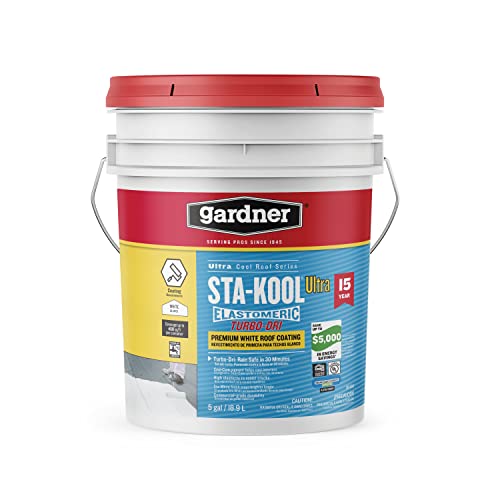
Best for large or demanding roofs where fast rain resistance and long protection matter. This elastomeric white coating uses cool-core technology to repel heat gain, helping keep interior temperatures lower in hot weather. It is designed to be rain-safe in 30 minutes and recoatable in about three hours, making it ideal for RVs or mobile homes where weather windows are tight.
Who it’s for: homeowners or contractors needing quick turnaround and strong heat reflection for sizable mobile-home roofs. Why selected: the combination of Turbo-Dri efficiency and reflective white finish supports faster projects with durable protection against sun and rain. Caution: surface preparation and recoat timing are important to achieve maximum performance.
Mobile Home Roof Coating – 10 Year (5 Gal) – Bright White
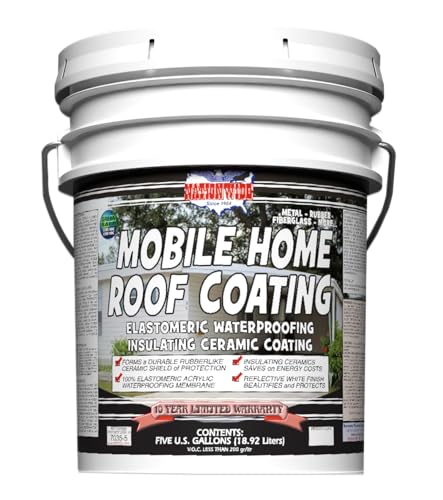
Better for energy efficiency and longevity in larger mobile-home projects. The ceramic heat-dissipating technology reflects UV rays and helps reduce interior heat, while the elastomeric waterproofing extends roof life. It’s designed to withstand harsh weather and meets Energy Star-style efficiency criteria for manufactured homes.
Best for: homes needing clear energy savings and long-term durability. Choose this if you want heavy-duty protection plus reflective ceramic pigments. Limitation: it’s a larger 5-gallon system, so ensure you have a compatible application plan and surface area to cover efficiently.
Rust-Oleum 710 Elastomeric Roof Coating, 5 Gallon

Best for those seeking a dependable, mid-priced option with solid reflectivity. It offers strong initial reflectivity and weather resistance, with a practical Rain Resistance in a few hours. This makes it a reliable choice for typical climates where quick protection matters.
Best for: standard mobile-home roof projects with a balance of cost and performance. Caution: performance may vary with extreme temperatures; ensure proper substrate preparation for optimal adhesion.
APOC 208 Silver Guard-F Fibered Aluminum Roof Coating

Best for a bright, long-lasting finish with strong UV reflection. The aluminum pigment forms a protective shield that helps reduce cooling costs, and the fibered formula increases durability on aging roofs. It’s a solid choice for those prioritizing a reflective surface and extended roof life.
Why pick this: it provides a bright metallic finish with proven reflective properties and fiber reinforcement. Limitation: aluminum coatings can be more prone to scuffing or chalking in some climates; maintain surface cleanliness for best results.
Mobile Home Roof Coating – 10 Year (1 Gal) – Bright White

Best for smaller projects or spots that need a quick energy-efficient upgrade. The same ceramic heat-dissipating technology provides thermal reflection and interior cooling benefits in a compact package. Ideal for patch jobs or limited roof areas on mobile homes.
Consider this option when you don’t need a full five-gallon kit but still want durable, energy-saving performance. Caution: one-gallon coverage may require a second coat for full protection on larger surfaces.
Buying Guide: How To Choose The Right Mobile Home Roof Paint
What should I look for in a mobile home roof coating?
- Reflectivity and heat management: Higher reflectivity coatings help keep interiors cooler and reduce cooling loads.
- Durability and weather resistance: Fibered or ceramic formulations often offer longer life in harsh climates.
- Application window and recoat time: Rain-safe technologies and fast recoat options minimize downtime.
- Coverage and kit size: Larger rooftops may benefit from 5-gallon containers; smaller roofs or patches may be better served by 1-gallon or 2–3 gallon kits.
- Compatibility and substrate preparation: Ensure the coating adheres to the existing roof surface (metal, built-up, or foam) and follow surface prep instructions for best results.
Practical tips for choosing:
- For hot climates with frequent sun exposure, prioritize high reflectivity and ceramic or aluminum formulations.
- For aging roofs, seek fibered or reinforced coatings that extend life and resist cracking.
- If installation time is critical, select products marketed as “rain safe” and with short recoat intervals.
FAQ
- Q: Which coating dries fastest after rain? A: Products marketed as rain safe or with Turbo-Dri technology typically offer the quickest return-to-service after rain exposure.
- Q: Is a ceramic-based roof coating better for energy savings? A: Yes, ceramic formulations reflect more solar radiation, which can reduce interior temperatures and cooling costs.
- Q: Can I apply these coatings on old roofs? A: Most coatings are designed for aging roofs, but surface preparation is crucial for adhesion and performance.
- Q: How long does a typical roof coating last? A: Durability varies by formulation and climate, but reinforced or ceramic coatings generally offer longer life than basic elastomeric sealants.
- Q: Do these coatings require a primer? A: Some products benefit from a primer on certain substrates; check the manufacturer’s instructions for best results.