Clear coats that withstand salt, sun, and spray are essential for fiberglass boats and marine gear. This guide highlights five top options to protect, shine, and extend the life of your fiberglass surfaces. Best for boat owners seeking long-lasting water resistance, UV protection, and easy application, these picks cover single-part systems, high-gloss lacquers, and durable gel-coat options. The summary table below helps you compare at a glance.
| Product | Type | Best For | Limitations |
|---|---|---|---|
| KBS Coatings 8404 DiamondFinish Watercolor Clear Coat | Single-part epoxy clear coat | Marine surfaces, tiles, lures; saltwater environments | Long cure times in cool conditions |
| Moeller Clear Coat High Gloss Lacquer | Marine lacquer | Engine housings, external marine components | May require compatibility checks with underlying paint |
| Marine Coat One ISO/NPG Premium Gel Coat Repair Kit Clear | Gel coat repair kit with clear top coat | Fiberglass repairs and final topcoat, UV protection | Requires mixing and catalyst; cure depends on MEKP |
| Quicksilver Clear Coat Enamel Spray Paint | Aerosol enamel spray | Outboard engine cowls and trim; quick touch-ups | Limited build depth; spray technique matters |
| Rust-Oleum Marine Spar Varnish | Spar varnish for exterior wood | Wood surfaces on boats above the waterline | Not a hard clear coating for fiberglass; wood-specific |
Note: The selection emphasizes fiberglass-friendly finishes that protect against UV, moisture, and abrasion while offering practical application methods for DIY boat owners and hobbyists alike.
KBS Coatings 8404 DiamondFinish Watercolor Clear Coat
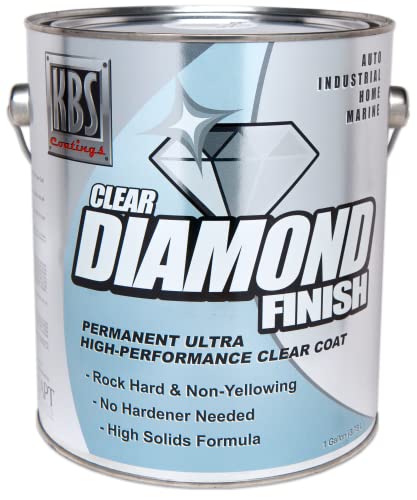
The 8404 DiamondFinish is a single-part clear coat designed for high abrasion resistance. It works on varied substrates, including marine gear and bathroom surfaces, making it versatile for fiberglass projects that need a tough, water-clear finish. Best for owners seeking a durable, easy-to-use coating without measuring mixtures. A potential limitation is longer cure times in cooler environments, which can affect scheduling for larger projects.
Moeller Clear Coat High Gloss Lacquer

Moeller Clear Coat High Gloss Lacquer is formulated for marine environments and suitable for exterior marine components and engine areas. It offers a glossy finish and straightforward application for surfaces exposed to water and sun. Best for boat owners who need a bright, reflective finish on engine compartments or exterior parts. A caveat is ensuring compatibility with underlying finishes, as lacquer compatibility can vary with older coatings.
Marine Coat One ISO/NPG Gel Coat Repair Kit Clear

This gel coat repair kit provides UV protection, high gloss, blister resistance, and strong adhesion for fiberglass boats. It includes a MEKP hardener for a durable cure and is ideal for repairing chips or applying a finishing coat. Best for DIYers tackling surface restoration with a focus on a hard, glossy finish. A limitation is the added step of catalyst handling and proper curing conditions required for optimal results.
Quicksilver Clear Coat Enamel Spray Paint

Quicksilver Clear Coat Enamel Spray Paint is designed to meet Mercury Marine specifications for engine cowl finishes, offering a durable enamel spray option with UV protection. It is best for quick touch-ups and areas where spray application is practical. Choose this if you need a fast, even coat on smaller components, but avoid it if you require a deep, multi-layer build on large fiberglass panels.
Rust-Oleum 207008 Marine Spar Varnish

Rust-Oleum Marine Spar Varnish is ideal for exterior wood surfaces above the waterline, delivering an oil-based, flexible finish that expands and contracts with weather changes. It’s best for wood trim and railings on boats rather than fiberglass panels. If you’re working with fiberglass, consider using spar varnish only where wood is present or choose a fiberglass-friendly coating for the main hull surfaces. Drying time is relatively quick, with coverage up to 150 sq ft per coat, aiding maintenance schedules.
Buying Guide
What type of finish should I choose for fiberglass?
For fiberglass, consider clear coats designed to resist UV, moisture, and abrasion. Single-part systems are easier for DIY, while gel coat repair kits provide added repair capabilities. Determine whether you need a hard, glossy topcoat or a flexible, water-clear layer for ongoing exposure to salt and sun.
Do I need a spray or brush-on coating?
Sprays offer fast, even coverage on complex shapes and tight areas. Brush-on or roller-grade lacquers can provide thicker builds on flat surfaces. Consider your project size, spray equipment, and dust-control conditions when choosing application method.
What are the curing considerations?
Many marine clear coats require specific curing conditions and may involve catalysts or two-part systems. Temperature and humidity can affect cure times and final hardness. Plan for adequate ventilation and follow the product’s cure window guidance for best results.
How do I prepare fiberglass surfaces?
Clean the surface, remove wax and oils, and lightly scuff with fine-grit paper to promote adhesion. For gel coat repair kits, carefully follow mixing ratios and tack-free curing guidelines to avoid surface imperfections.
What about UV and saltwater exposure?
Choose finishes with UV stabilizers and water-clear properties to minimize yellowing and haze. Consider products specifically marketed for marine environments to resist salt spray and high humidity.
Maintenance and re-coating
Follow re-coating intervals suggested by each product. Lightly scuff between coats to improve adhesion. For exterior wood components, reapply varnish as needed to maintain flexibility and protection.
Additional buyer considerations
- Compatibility with existing coatings on the fiberglass surface
- Ease of cleanup and whether a hardener or catalyst is required
- Depth of gloss and clarity over time under sun exposure
FAQ
Q: Which clear coat is best for fiberglass on a saltwater boat? A: A durable, UV-resistant single-part or gel coat system designed for marine use is typically best for saltwater exposure.
Q: Can I apply these coatings over existing paint? A: Yes, but verify substrate compatibility and prepare the surface properly to ensure adhesion.
Q: Do I need a catalyst or hardener? A: Some products require a catalyst for a hard cure, while others are single-part. Follow the product instructions for safety and performance.
Q: How long before water exposure after coating? A: Cure times vary; follow manufacturer guidelines. Plan for a full curing window before launching the vessel or exposing to water.
Q: Are clear coats environmentally safe? A: Many products contain solvents and require proper ventilation and disposal. Check the label for safety data and local regulations.