Whether you’re protecting a weathered deck or reviving a fence, a long-lasting deck stain helps preserve wood while reducing maintenance. This guide highlights five durable options ideal for American outdoor conditions. Best for: homeowners needing durable UV protection, minimal reapplication, and a stain that also seals. The top picks cover semi-transparent and protective sealers, plus a rugged oil-based option for deep penetration. Use this to choose the right stain for decks, fences, and siding that stay vibrant longer between applications.
Summary of Selected Products
| Product | Best For | Why It Stands Out | Limitations |
|---|---|---|---|
| SaverSystems #1 Deck Premium Semi-Transparent (Natural) | Decks that want natural grain with UV protection | Water-based, low VOC, dual stain and sealer | May require more frequent touch-ups in extreme sun |
| SaverSystems #1 Deck Premium Semi-Transparent (Cedar) | Fences and siding needing a warm cedar tone | Same dual-action formula with UV protection | Color variations can occur with wood type |
| KILZ Waterproofing Semi-Transparent Wood Stain (Cedar Naturaltone) | Exposed outdoor wood surfaces in variable weather | Strong UV protection and waterproofing, 100% acrylic | May require additional coats for very worn surfaces |
| Cabot Australian Timber Oil Wood Stain and Protector (Honey Teak) | Deep, natural wood look with oil-based protection | Three-way oil protection for deep penetration | Longer curing time; oil-based option may require mineral spirits for cleanup |
| Seal-Once Nano+Poly Wood Sealer (Bronze Cedar) | High-traffic wood surfaces needing water repellency | Penetrating sealer with ultra-low VOC | Finish may appear glossy and may require reapplication over time |
SaverSystems #1 Deck Premium Semi-Transparent Natural

Best for: wood decks and fences where the natural grain should remain visible while receiving UV protection. This water-based formula acts as both stain and sealer, penetrating deep into wood pores for longevity. It’s a solid choice when a low-VOC, semi-transparent finish is preferred, especially on decks and siding.
Why selected: Combines color and protection in one coat and emphasizes natural wood beauty with durable UV shielding. The water-based base helps reduce odor and cleanup concerns.
Caution: May require reapplication sooner in very harsh sun exposure or high-traffic areas.
SaverSystems #1 Deck Premium Wood Stain Semi-Transparent
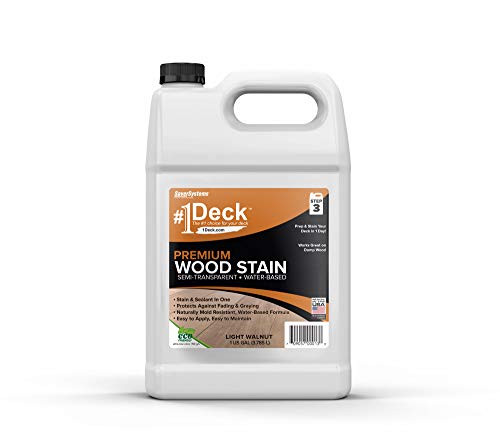
Best for: outdoor wood surfaces like decks and fences needing a semi-transparent finish with long-lasting color. It provides UV protection and a water-based, low-VOC profile, with the added benefit of stain and sealer in one.
Why selected: Strong balance of color retention and environmental concerns, suitable for frequent outdoor use without strong fumes.
Caution: Color depth can vary with wood porosity; test on a small area first.
KILZ Waterproofing Semi-Transparent Wood Stain (Cedar Naturaltone)

Best for: decks, fences, siding, and outdoor furniture where long UV protection and waterproofing are priorities. The 100% acrylic formula provides strong exterior durability for variable climates.
Why selected: Notable for UV resistance and a robust weatherproofing layer, helping maintain color through seasonal changes. It works well on moderately weathered surfaces.
Caution: It may require multiple coats for highly weathered wood to achieve even color and protection.
Cabot Australian Timber Oil Wood Stain and Protector, Honey Teak

Best for: homeowners who want deep penetration and a rich, natural color that emphasizes wood depth and patina. This oil-based Timber Oil is designed for outdoor decks, fences, and furniture.
Why selected: Three-way oil protection provides nourishment and resilience against harsh weather; ideal for woods that benefit from a richer, longer-lasting finish.
Caution: Oil-based stains require longer cure times and may require specific cleanup solvents.
Seal-Once Nano+Poly Wood Sealer (Bronze Cedar)

Best for: high-traffic outdoor wood where water resistance and low odor are priorities. This water-based polyurethane finish penetrates to form a long-lasting shield.
Why selected: Ultra-low VOC formula with penetrating sealant action, offering durable water resistance for decks and fences while staying safer for surrounding vegetation and indoor use near outdoor spaces.
Caution: Finish appearance can be glossier; reapplication intervals depend on sun exposure and wear patterns.
Buying Guide: Key Considerations For A Long-Lasting Deck Stain
- Wood type and condition: New wood accepts stain differently than weathered wood. For older decks, consider products with better penetration and sealing properties.
- Finish type: Semi-transparent varnish-like stains show grain while offering UV protection; solid colors hide imperfections but may peel sooner in high-traffic areas.
- Protection level: UV blockers and waterproofing extend lifespan. Oil-based formulas often offer deeper protection; water-based options reduce fumes and cleanup needs.
- VOC content: Lower VOCs are preferable for safer application and environmental impact, especially in enclosed spaces.
- Maintenance cycle: Some products require recoating every 1–3 years; others offer longer intervals depending on climate and use.
- Application and cleanup: Consider brush or roll-on methods; oil-based finishes may need mineral spirits, while water-based products usually clean with soap and water.
- Aesthetic goals: Decide between natural grain visibility, warm tones, or rich color to complement exterior siding and landscape.
Frequently Asked Questions
- What is the difference between semi-transparent and solid deck stains?
Semi-transparent stains reveal wood grain and offer UV protection; solid stains provide opaque color and can conceal imperfections but may require more maintenance. - How often should I reapply deck stain?
Typical intervals range from 1 to 3 years depending on climate, sun exposure, and wear. Oil-based finishes often last longer than some water-based options. - Is a water-based stain better than an oil-based stain?
Water-based stains have lower odor and easier cleanup; oil-based stains tend to penetrate deeper and may offer longer protection in extreme weather. - Can I stain over previously stained wood?
Yes, but surface preparation is essential. Clean, remove loose finish, and ensure wood is dry before applying a new coat. - Do I need a sealer with stain?
Many products combine stain and sealer in one, but some decks benefit from a separate topcoat or sealer for enhanced water resistance. - What should I test before full application?
Test on a small, inconspicuous area to verify color, absorption, and finish appearance before full coverage.