If you’re repairing scratches, nicks, or wear on wood furniture, floors, or guitars, a lacquer touch up pen can be a fast, precise solution. This guide highlights five reliable options, explaining who each pen is best for, and what to watch out for. Ideal buyers include DIY homeowners, guitarists, and vehicle interior detailers seeking quick, clean touch-ups without large refinishing projects.
| Product | Best For | Key Benefit |
|---|---|---|
| Varathane 248125 Scratch Repair Polyurethane Pen | Wood surfaces and hardwood floors | Hides minor defects with quick-drying formula |
| ColorTone Touch-Up Marker, Vintage Amber | Guitars with sunburst or amber finishes | Nitrocellulose lacquer for seamless blending |
| Minwax Repair Markers | Furniture, cabinets, wood trim | Simple color restoration for scratches and nicks |
| Touch-Up Solutions Clear Lacquer Pen | General repairs with semi-gloss finish | Protects repaired area; convenient to use |
| ColorTone Touch-Up Marker, Black Opaque | Dark finishes and pegheads | Genuine nitrocellulose lacquer for deep, uniform color |
Varathane 248125 Scratch Repair Polyurethane Pen

The Varathane pen is best for quick wood surface repairs, especially on hardwood floors and furniture. Its durable formula hides minor defects, and the fast-drying composition minimizes downtime. This pen is suitable for those who want a consistent, clear finish without a refinishing project.
Who it’s best for: DIY homeowners and floor refurbishers needing a fast, durable fix on light scratches. Why chosen: It balances ease of use with an effective fill for small blemishes. Caution: May not perfectly match deeper, multi-tone stains on highly figured woods.
ColorTone Touch-Up Marker, Vintage Amber

This marker uses genuine nitrocellulose lacquer for authentic finish repairs on vintage or sunburst guitar finishes. The vintage amber tint helps blend repairs into amber-toned woods, preserving the natural grain while improving wear spots and scratches.
Who it’s best for: Guitarists and luthiers working on sunburst or amber finishes. Why chosen: The nitrocellulose formula blends more naturally with classic finishes. Caution: Color matching can be challenging on highly variable woods; test on inconspicuous areas first.
Minwax Repair Markers

Minwax Repair Markers offer quick, easy scratch repair for a range of wood projects. They’re designed to restore color to furniture, cabinets, trim, and floors, helping to hide nicks and minor scratches without extensive refinishing.
Who it’s best for: Homeowners with multiple wood surfaces needing fast color restoration. Why chosen: Versatile for various wood types and finishes. Caution: Some colors may not perfectly match darker finishes; pair with a light test spot first.
Touch-Up Solutions Clear Lacquer Pen Semi-Gloss

This pen provides a clear, semi-gloss finish ideal for protecting the repaired area after touch-up. It’s designed for ease of use with straightforward application, making it a practical option for quick surface repair on furniture and woodwork.
Who it’s best for: Anyone needing a protective clear topcoat after touch-ups. Why chosen: The protective layer helps prevent further wear. Caution: Semi-gloss may show more sheen on darker woods; consider finish consistency with adjacent surfaces.
ColorTone Touch-Up Marker, Black Opaque
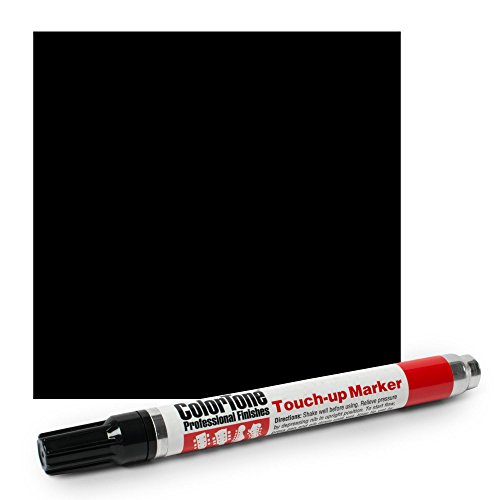
The black opaque marker is designed for deep finishes and pegheads, providing a quick solution for scratches and wear that reveal lighter underlying material. It blends well on black or very dark finishes, offering a uniform repair with minimal mess.
Who it’s best for: Players and owners of dark-stained furniture or guitar pegheads. Why chosen: Strong color depth helps cover deeper chips. Caution: May appear less natural on lighter surrounding areas; test on a hidden spot first.
Buying Guide: Lacquer Touch Up Pens
What finish are you repairing? Choose a pen that matches the surface sheen (gloss, semi-gloss, or satin) to avoid mismatched luster. For guitars, nitrocellulose lacquers offer more seamless blending with vintage finishes, while polyurethane-based pens are reliable for wood furniture.
What color is needed? For natural wood tones,Vintage Amber or transparent tints help preserve grain. For dark wood or black finishes, opaque black markers can be more effective. Always test on an inconspicuous area before full use.
What is the extent of the damage? For small nicks and light scratches, a pen with a fine tip and quick-dry formula works best. For deeper chips, consider markers with a broader tip and a longer-lasting pigment, and be prepared to apply multiple coats if needed.
Ease of use and dry time matter. Look for self-contained pens that do not require mixing and have straightforward application. If you need a protective topcoat after touching up, choose a pen that includes a clear sealant or works well with a compatible lacquer topcoat.
FAQ
- Are lacquer touch up pens permanent? Most pens use solvent-based lacquers designed to be durable, but sealing with a compatible top coat enhances longevity on high-traffic surfaces.
- Can I use these on painted surfaces? These pens are best for natural wood finishes and authentic lacquers. For painted surfaces, color-m matched acrylic markers or paint pens may work better.
- Do these pens match all wood tones? No single pen matches every wood; test colors on a hidden area and choose a close match or blend with multiple shades.
- Is nitrocellulose better than polyurethane for repairs? Nitrocellulose provides authentic blending for guitar and vintage finishes, while polyurethane is durable and suitable for most furniture surfaces.
- How long do repairs take to dry? Dry times vary by product, typically minutes to an hour. Allow full cure as recommended by the manufacturer before light use.
- Should I apply multiple coats? If the repair is visible after the first pass, apply additional thin coats, allowing each layer to dry fully.