Refinishing kitchen cabinet doors is a cost-effective way to transform a space without a full remodel. This guide highlights top no-sanding refinishing options and clean-deglossing cleaners that prep surfaces for paint. Ideal buyers include DIY homeowners improving dated cabinets, renters updating spaces, and remodelers seeking fast, low-dust finishes. The following table summarizes the five recommended products and who they suit best.
| Product | Best For | Why It Stands Out |
|---|---|---|
| Krud Kutter Gloss-Off | De-glossing prep for cabinets | One-step cleaner and deglosser; excellent for grooves and hard-to-reach areas |
| Beyond Paint All-in-One (Navy) | No-sanding refinishing for multiple surfaces | Paint and primer in one; easy vertical-surface application |
| Beyond Paint All-in-One (Bright White) | Bright white cabinets and white furniture | Same all-in-one solution with a crisp matte finish |
| Beyond Paint All-in-One (Nantucket) | Warm, neutral finish for various surfaces | Same benefits with a nautical-inspired tone |
| DWIL Matte Finish Furniture Paint | Primer-free, low-odor refinishing | Complete tool kit included; no primer required |
Krud Kutter Gloss-Off Prepaint Surface Preparation Cleaner

Best for: prep work on cabinets, trim, doors, and furniture before repainting. The cleaner is designed to remove gloss and dull existing finishes to improve paint adhesion. It combines cleaning and deglossing in one step, breaking down dirt, grease, wax, and buildup while readying surfaces for paint. It handles grooves and detailed trim where sanding is tedious.
Why selected: This product is specifically formulated to prepare glossy surfaces without sanding, a common bottleneck in cabinet refinishing projects. Its liquid formula penetrates crevices, aiding uniform paint adhesion across flat areas and intricate profiles.
Caution: Test on a small area first to confirm compatibility with your finish. Ensure proper ventilation and follow label instructions for contact time and wiping requirements.
Beyond Paint All-in-One Refinishing Paint, Navy

Best for: cabinets, countertops, furniture, doors, and trim when you want a single-coat, no-sanding solution. This all-in-one paint and primer is water-based and self-leveling, reducing brush marks for a smooth matte finish. It’s particularly helpful for vertical surfaces and projects where time is a constraint.
Why selected: The product consolidates priming, painting, and finishing into one step, improving project efficiency. Its matte finish hides minor surface imperfections while minimizing prep work compared with traditional cabinet paints.
Caution: While the product aims to simplify prep, minimal surface preparation is still recommended for best results. Avoid applying on surfaces already failing without proper deglossing.
Beyond Paint All-in-One Refinishing Paint, Bright White

Best for: bright, modern white cabinets and furniture. The all-in-one solution works on numerous surfaces and provides a clean matte finish with minimal prepping. It’s well-suited for homeowners seeking a bright, next-generation look without extensive sanding.
Why selected: This option targets white cabinetry aesthetics with a consistent matte result. It’s easy to apply on vertical surfaces and can be used on multiple surfaces beyond cabinets.
Caution: White finishes can highlight surface flaws; ensure proper cleaning and deglossing before painting and consider tests on sampler panels to confirm color and texture.
Beyond Paint All-in-One Refinishing Paint, Nantucket
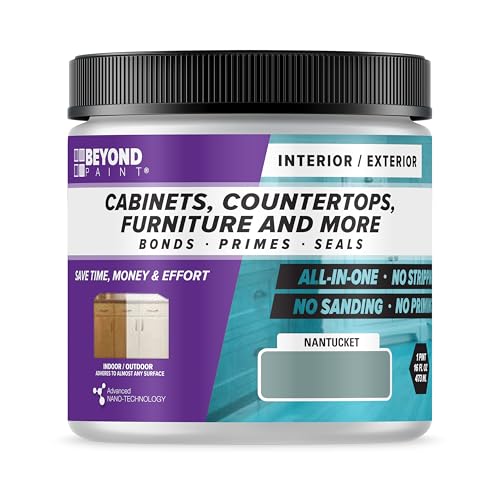
Best for: warm, neutral tones ideal for kitchens seeking a refined, subtle color shift. The Nantucket shade is compatible with various cabinet styles and surfaces, offering a cohesive look with minimal prep.
Why selected: The color option expands design versatility for those who prefer earthy, understated finishes. The product maintains the same all-in-one benefits, making it a convenient choice for a broad set of surfaces.
Caution: Shade variations may appear between batches; consider ordering extra cans to allow for color matching across the project.
DWIL Matte Finish Furniture Paint
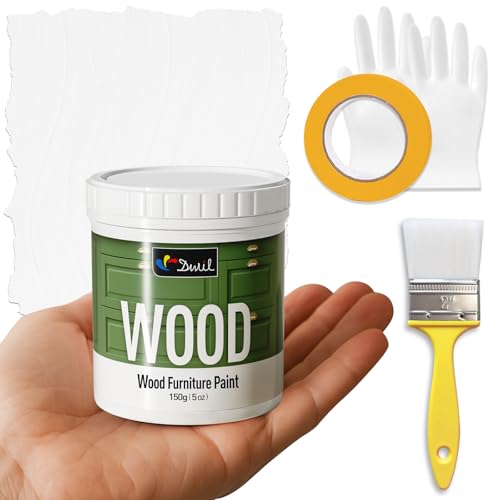
Best for: cabinet doors, tables, and dressers requiring a complete refinishing kit with no primer. This 5-ounce kit includes tools and promises a low-odor, water-based finish that’s simple to apply, even to previously finished surfaces.
Why selected: It’s a comprehensive tool set designed to streamline refinishing projects. The no-primer claim reduces prep time and the overall project duration, particularly for small to medium cabinets and furniture.
Caution: Although it advertises no primer needed, test on a small area to ensure adhesion on glossy or heavily sealed surfaces. For high-traffic areas, consider extra sealing or a topcoat to increase durability.
ALL-IN-ONE Paint by Heirloom Traditions
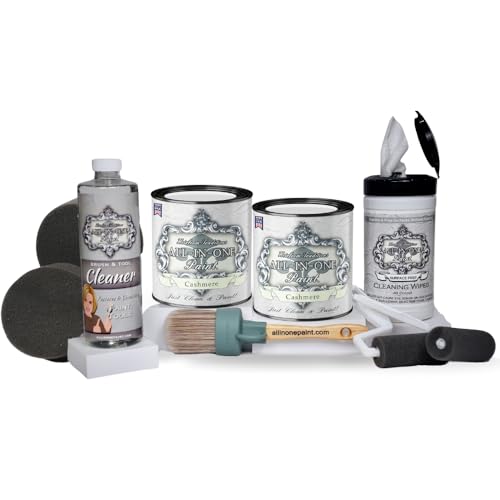
Best for: cabinet refinishing with a complete kit that includes paint, deglosser wipes, and tools. The kit targets DIY enthusiasts who want solid coverage with minimal steps and a velvet sheen finish.
Why selected: It combines a ready-to-use paint system with accessories, making it attractive for beginners and seasoned painters who value an all-in-one solution. The kit reduces the need to source multiple components separately.
Caution: The bundle is larger and may be more suitable for projects with a larger cabinet footprint. Plan for storage space for leftovers and cure times when scheduling refinishing work.
Buying Guide: Key Considerations For Cabinet Door Refinishing
What finish should I choose?
Consider whether you want matte, satin, or low-luster finishes. Matte finishes hide minor surface imperfections, while satin can better withstand cleaning in kitchens. All-in-one products can simplify process, but verify whether they provide the exact sheen you prefer.
Do I need primer or sanding?
Most modern refinishing products claim no sanding or priming. If your cabinet surfaces have heavy gloss, stains, or previous coatings, a deglosser like Krud Kutter can improve adhesion. Always test a small area first.
Which product suits high-traffic kitchens?
For high-traffic areas, durability matters. Look for products that offer tougher topcoats or more durable formulations. Some kits include protective elements or recommended sealants to extend life.
How important is color choice?
Color changes impact perceived space. Light colors can brighten the room, while darker tones add depth. Ensure color consistency across all cabinet sections and match with countertops and hardware.
What about odor and safety?
Many water-based finishes reduce odor and VOCs. If odor is a concern in living spaces, choose low-odor formulations and ensure proper ventilation during application and curing.
Is a kit or single product better?
Kits offer convenience with multiple included tools. Singles can be more economical if you already own some supplies. Choose based on project size and your comfort level with DIY refinishing.
What’s a realistic project timeline?
Completion time depends on surface prep, drying times, and the number of coating layers. No-sanding products can shorten prep but still require curing time between coats. Plan for several days for full project completion.
What about long-term maintenance?
Follow cleaning recommendations for matte or satin finishes. Use mild cleaners, avoid abrasive pads on bare wood, and protect surfaces from heat and moisture where possible.
FAQ
- Q: Can I refinish cabinet doors without removing them?
A: Yes, many all-in-one refinishing paints are designed for on-door application, but removing doors can still reduce splatter and improve finish quality. - Q: Do I need a top coat after using these products?
A: Some products include a durable finish; others may benefit from a separate topcoat for extra protection in kitchens. - Q: How long does curing take before use?
A: Curing times vary by product and environment. Check label guidance and allow full cure before heavy use. - Q: Are these products safe around pets and kids?
A: Choose water-based formulations with low VOCs and follow safety instructions for ventilation and use. - Q: Can I change color later easily?
A: Yes, many water-based paints can be refinished again, but deeper color shifts may require careful surface prep. - Q: Should I sand before switching to a new finish?
A: When changing finish types or addressing glossy surfaces, a deglosser and light sanding in targeted areas can improve adhesion.
For most kitchen cabinet door refinishing projects, the right approach combines thorough surface preparation with a no-sanding, all-in-one paint solution when suitable. Use a deglosser on glossy surfaces, then apply your chosen finish according to the manufacturer’s directions. The products listed here provide a range of options to fit different styles, spaces, and skill levels, helping you achieve durable, attractive results without a full cabinet replacement.