Answering the search intent for a durable, water-based polyurethane topcoat, this guide highlights top options that balance clarity, hardness, and fast drying. The best picks are suited for furniture, cabinetry, and trim where a clear, non-yellowing finish is desirable. This overview compares five popular products to help you choose based on finish type, application ease, and potential limitations.
Summary of selected products
| Product | Best For | Key Benefit | Limitation |
|---|---|---|---|
| General Finishes High Performance Water Based Topcoat | Professionals and DIYers seeking maximum durability | Very hard, durable finish; quick recoat | Possible yellowing on very light colors |
| Varathane Triple Thick Polyurethane Glosss | One-coat protection on interior wood | Self-leveling, fast dry | Glossy finish may emphasize surface texture |
| Varathane Water-Based Ultimate Semi-Gloss | Cabinets and furniture needing fast dry | Cuts cure time; good scratch resistance | Half-pint size limits project scale |
| SENVEN Polyurethane Protective Finish | Light woods and quick projects | Crystal clear, non-yellowing | Limited long-term usage data |
| Minwax Polycrylic Protective Finish Satin | Light-colored woods and delicate veneers | Crystal clear with satin sheen; non-yellowing | May require longer cure for heavy usage |
General Finishes High Performance Topcoat — Flat

Best for: Professionals and serious DIYers who need a very durable, non-yellowing topcoat over most interior woods. This product is described as the hardest, most durable consumer polyurethane top coat on the market, with a 1–2 hour dry time between coats, enabling faster project completion. It works well on furniture, cabinets, and trim when a flat finish is desired.
Why it was selected: It emphasizes exceptional hardness and durability, which helps resist abrasion in high-traffic areas. The quick recoat window supports multi-coat applications in a single day.
Caution: Avoid applying over bright white paints, as yellowing can occur due to substrate reaction. Light colors may show slight yellowing, though less noticeable than with darker or opaque finishes.
Varathane Triple Thick Polyurethane Gloss Finish

Best for: Homeowners seeking strong, one-coat protection on interior wood such as furniture, doors, and trim. The self-leveling formula helps create a smooth surface with minimal brushing marks.
Why it was selected: The product claims one-coat coverage and excellent scratch and stain resistance, plus a crystal clear finish that remains durable over time.
Caution: Being gloss, imperfections in the wood surface may be more noticeable; ensure proper sanding and surface prep for best results.
Varathane Water-Based Ultimate Semi-Gloss Polyurethane
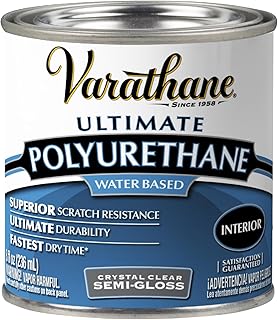
Best for: Interiors requiring fast drying times without ambering, suitable for cabinets, furniture, and trim where a semi-gloss finish is desired. This finish cleans up with soap and water.
Why it was selected: It offers quick dry times (30 minutes to touch) and a reasonable coverage rate, enabling layered coatings in shorter sessions.
Caution: The product is half-pint sized, which may constrain larger projects; plan multiple containers for larger jobs.
SENVEN Polyurethane Protective Finish

Best for: Quick projects and light woods where a crystal-clear, non-yellowing finish is prioritized. The formula aims to resist yellowing on light woods like maple and pine.
Why it was selected: Its fast dry-to-touch time (about 20 minutes) and rapid recoat window (1–2 hours) support efficient multi-coat workflows.
Caution: The marketing emphasizes fast results; ensure proper ventilation and surface preparation to maximize the finish’s appearance and durability.
Minwax Polycrylic Protective Finish Satin

Best for: Projects using light woods and veneers where a satin sheen is preferred, offering non-yellowing protection for interior wood surfaces.
Why it was selected: It provides a crystal clear finish with a satin sheen that preserves natural grain while protecting against scratches and dirt. It is compatible with both oil-based and water-based stains.
Caution: Satin finishes can reveal brush marks if applied too thickly; apply thin, even coats and sand lightly between coats for best results.
Buying Guide: Key Purchase Considerations
What finish level do I need?
Choose a gloss or semi-gloss finish for a smooth, reflective surface that highlights wood grain. A satin finish hides minor imperfections and provides a softer look. If you want a truly clear, non-yellowing look on light woods, prioritize water-based formulas with clear-casting qualities.
Is durability or quick-dry more important?
For high-traffic projects, select a product marketed as highly durable with fast recoat times, such as the top-rated water-based options noted above. If you work in a space where quick turnover matters, faster dry-to-touch times and recoat windows offer meaningful time savings.
What about yellowing and light woods?
Some water-based topcoats can react with bright white or very light paints, causing yellowing. In such cases, test on a small area or choose a product explicitly formulated for non-yellowing performance on light substrates.
How large is my project?
Smaller projects fit half-pint or quart containers, while larger projects may require multiple quarts. Consider coverage rate (sq ft per coat) and total coats needed when estimating quantities.
Ease of cleanup and maintenance
Water-based polyurethane generally cleans up with soap and water and has lower odor than oil-based options, making it user-friendly for indoor use and DIY environments.
How many coats should I apply?
Most interior projects benefit from 2–3 thin coats rather than one thick coat. Multiple thin coats improve hardness and durability while reducing the risk of runs and surface imperfections.
FAQ
- Q: Do water-based topcoats yellow over time? A: Most modern water-based polyurethane formulations are designed to resist yellowing, especially on light woods, but some substrates can still cause subtle changes; test if uncertain.
- Q: How long between coats? A: Dry times vary by product; many options allow recoat in 1–2 hours, while some may require longer. Always follow the manufacturer’s guidelines.
- Q: Can these finishes be used on furniture and cabinets? A: Yes, most listed products are suitable for interior wood furniture, doors, trim, and cabinets when applied correctly.
- Q: Is cleanup easy with water-based topcoats? A: Yes, water-based finishes typically clean up with soap and water and have lower odor than oil-based products.
- Q: Which finish helps best with light woods? A: Crystal-clear, non-yellowing finishes are preferred for light woods to preserve the natural color and grain.
- Q: Do these topcoats protect against scratches and spills? A: Most products offer scratch resistance and protection against spills, though performance depends on coat thickness and number of coats applied.