Answer: For staining wood, choose chemical-resistant, puncture-resistant nitrile gloves that stay flexible and comfortable during long tasks. These gloves protect skin from stains, solvents, and finish fumes while providing a secure grip for precise staining, staining tools, and cleanup. Ideal buyers include DIY woodworkers, hobbyists, and professionals who handle stains, sealants, and finishes regularly. The following picks prioritize durability, dexterity, and chemical resistance, helping you work cleanly and safely.
| Product | Best For | Key Feature |
|---|---|---|
| NEOTRIL 8 Mil Heavy Duty Nitrile Gloves | Heavy-duty tasks | Raised diamond texture grip |
| Inspire Black Nitrile Disposable Gloves (6 Mil) | Medical, industrial, and general use | Tough, puncture-resistant, trusted by professionals |
| Hand-E Touch Black Nitrile Disposable Gloves | Multi-purpose staining prep | Textured fingertips for grip |
| ThxToms Chemical Resistant Nitrile Gloves | Harsh chemicals and solvents | 15 mils thick, strong chemical barrier |
| FifthPulse 6 Mil Black Nitrile Gloves | Food prep, industrial tasks | Puncture-resistant and latex-free |
NEOTRIL 8 Mil Heavy Duty Nitrile Gloves

Best for: Tough staining jobs and messy cleanup. These 8-mil gloves offer robust puncture resistance and grease resistance, making them suitable for handling oily finishes and mineral spirits used with wood stains. The raised diamond texture improves grip when wielding brushes, rags, or staining pads, enhancing tactile control during precise application.
Why selected: The extra thickness provides superior protection against chemical exposure and wear. The diamond texture aids grip on tools and surfaces, reducing slip when applying finishes. Suitable for longer wear, they support steady staining sessions without tearing.
Caution: Heavier gloves may reduce tactile sensitivity slightly, so use when you need maximum protection and grip rather than fine tactile tasks.
Inspire Black Nitrile Disposable Gloves (Medium)

Best for: Medical or professional tasks that require reliable protection and dexterity. These gloves balance rugged nitrile protection with good tactile control, making them a dependable choice for staining prep, cleanup, and tool handling in workshop environments.
Why selected: They are designed for durable performance without latex or powder, reducing potential irritation. The snug fit supports precise control when applying stains and seals, and they are widely recognized in professional settings for consistent protection.
Caution: Some users may prefer thicker options for very heavy-duty chemical exposure; consider pairing with a thicker option for extended sessions with strong solvents.
ThxToms Chemical Resistant Nitrile Gloves

Best for: Handling strong stain solvents, cleaners, and caustic prep tasks. The gloves’ significant chemical resistance supports staining processes that involve harsher cleaning agents or finishes, reducing skin exposure to chemicals.
Why selected: The 15-mil thickness provides robust protection while remaining flexible enough for continuous wear. The non-slip, diamond-textured grip helps maintain control while mixing and applying stains, even when hands are slick.
Caution: Thicker gloves can reduce sensitivity; use when chemical protection is a priority over ultra-fine dexterity.
FifthPulse 6 Mil Black Nitrile Gloves

Best for: Everyday staining prep and food-safe cleanup tasks in kitchens or workshops. The 6-mil thickness offers a good balance of protection, dexterity, and price for regular staining sessions.
Why selected: These gloves are designed for multiple heavy-duty uses, including automotive and industrial tasks, making them versatile for staining projects that require frequent glove changes. They are latex-free and powder-free, reducing skin irritation risk.
Caution: May wear more quickly under heavy scraping or abrasive tasks; for prolonged heavy-duty labor, consider thicker options.
Hand-E Touch Black Nitrile Disposable Gloves
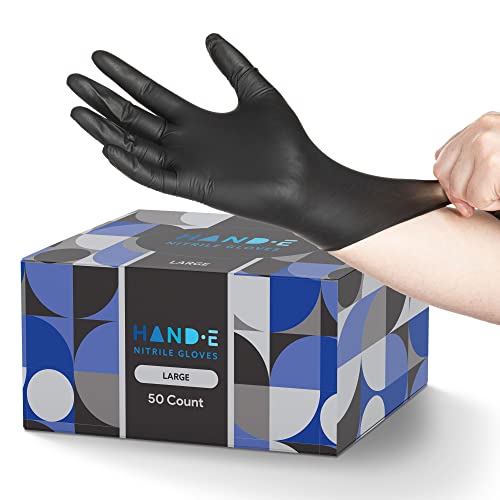
Best for: General staining prep and finish cleanup where textured fingertips improve control. These gloves are suitable for tasks that demand precision and a clean workspace, such as applying stain evenly and wiping drips.
Why selected: The nitrile material offers tear resistance and good chemical barrier, with textured fingertips for better grip on brushes and staining tools. Powder- and latex-free, they reduce skin irritation and allergy risks.
Caution: Not the thickest option; choose thicker gloves for aggressive chemicals or long, heavy-duty sessions.
Buying Guide: Key Considerations For Choosing Wood Staining Gloves
Material and thickness: Nitrile gloves come in varying thicknesses. Thicker (e.g., 8-15 mil) options provide better chemical resistance and puncture protection, while thinner gloves offer greater tactile sensitivity. Match thickness to the solvents and stains you use, and the duration of wear.
Grip and texture: Look for gloves with textured fingertips or raised textures. This helps maintain precision when applying stain, cleaning brushes, or wiping surfaces without slipping, especially on oily or damp hands.
Allergen considerations: Choose latex-free and powder-free gloves to reduce allergic reactions and prevent powder contamination in your staining environment.
Dexterity and fit: A snug, secure fit improves control for delicate staining tasks. Consider sizes from Small to XXL to ensure comfortable wear during long sessions.
Chemical resistance: For heavy-duty solvent use, select gloves specifically rated for chemical resistance. Thinner gloves may break down faster when exposed to harsh chemicals.
Workflow compatibility: If you switch between staining, cleaning, and detailing, a mix of glove thicknesses can optimize protection and dexterity across tasks.
FAQ
- What gloves are best for staining wood with oil-based finishes?
Thicker nitrile gloves (6–8 mil or more) with a textured grip are ideal for oil-based finishes due to enhanced chemical resistance and better control.
- Are latex-free gloves required for wood staining?
Yes. Latex-free gloves reduce allergy risk and ensure compatibility with finishes and cleaners that may irritate sensitive skin.
- Can I use disposable gloves for staining multiple projects?
Yes, but replace them when they show signs of wear, tear, or chemical degradation to prevent skin exposure.
- Should I choose powder-free gloves for staining?
Yes. Powder-free gloves minimize residue on stained surfaces and prevent contamination in sensitive finishes.
- How do I know which glove thickness to pick?
Choose thinner gloves for tasks requiring high tactile feel and thicker gloves for solvent-heavy or heavy-duty staining work.